



Study identifies potential for US shipping fleet transformation
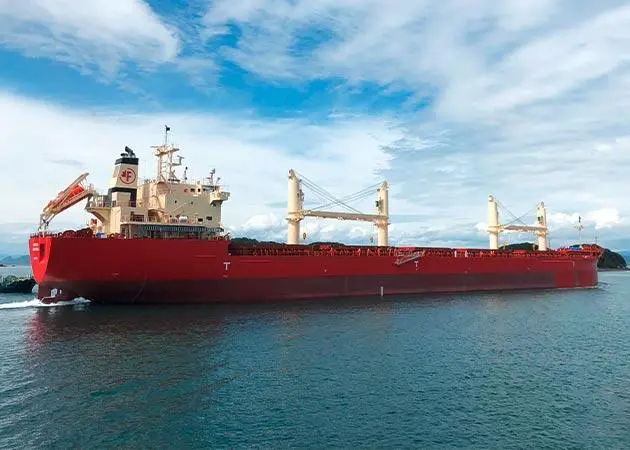
The report – The Maritime Fleet of the USA – the current status and potential – for the future documents the scale of US shipping fleet emissions and opportunities to decarbonise the sector. In 2018, carbon emissions from all US-flagged vessels amounted to around 26 million tonnes, approximately 2.4% of global shipping emissions. Domestic shipping voyages accounted for about 70% of carbon emissions from the US-flagged shipping fleet, which presents a unique opportunity for US actions to effectively decarbonise the American maritime sector.
Additionally, the report notes that the US fleet is old and under-invested, so it presents an opportunity. The average age of the US-flagged fleet is 7.5 years older than global averages, and many are older than the average scrapping age of the global fleet. Tugs appear to be on average around 25 years older than those in the global fleet. There are some exceptions though: RoPax ferries, chemical tankers, general cargo ships and refrigerated bulkers.
The report estimates that 17% of the current US fleet’s energy demands can be substituted with electrification. This would mean, for example, ships relying on battery electrification for shorter voyages or ships running off onshore electric power sources when in harbor. The Gulf of Mexico and northwest coasts of the US are primed to move towards electrification given existing routes. A further 24% of the US fleet’s energy demands, oftentimes coming from longer voyages than battery power alone can support, can be met with zero-emissions fuels such as green hydrogen.
These technologies are already available and adopting them would require minimal infrastructure updates, can happen within the existing renewal schedule and will not require ships to be scrapped or built ahead of schedule. The Pacific, Gulf of Mexico and Great Lakes are top candidates for the adoption of zero-emission fuels.
“There is enormous potential for the U.S. to be a global leader in maritime decarbonization. This is due to three main factors: energy and technology expertise, lots of coastal and inland shipping activity and geographically favourable conditions. Our models show that this combination makes the US a prime candidate for developing domestic and international green corridors,” says Dr Jean-Marc Bonello, Principal Consultant at UMAS. “The current ambitious administration has the chance to make this a decade of change for the industry in the US at the time when rapid action is needed to achieve science-based climate targets.”
The report is available here.
Related Articles
 ALTERNATIVE FUELS & LUBRICANTS
 ALTERNATIVE FUELS & LUBRICANTS
 ALTERNATIVE FUELS & LUBRICANTS