



Successful full-scale string test for PEMFC propulsion system
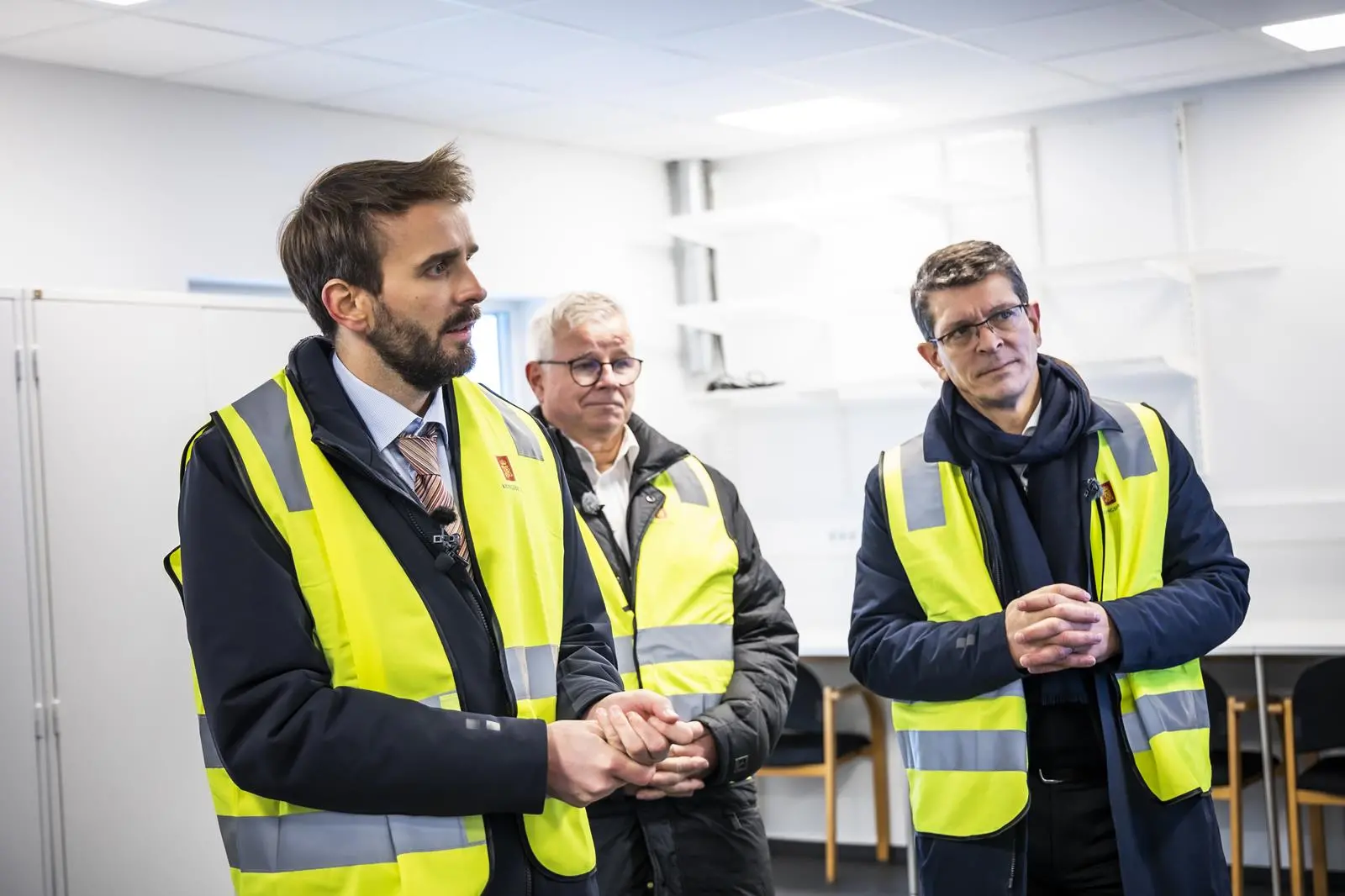
Kongsberg claims that the test was a world first for a full-scale, full-size, zero-emissions drivetrain powered by hydrogen-fuelled fuel cells designed for ships and ferries.
The test formed part of the EU funded HySeas project, which has been running since 2013 to prepare and demonstrate a scalable hydrogen system for ships and ferries. Kongsberg has been the technical lead of the project, which has also involved Caledonian Maritime Assets Limited (CMAL), McPhy Energy and Orkney Island Council, as well as Germany’s DLR Institute of Networked Energy Systems.
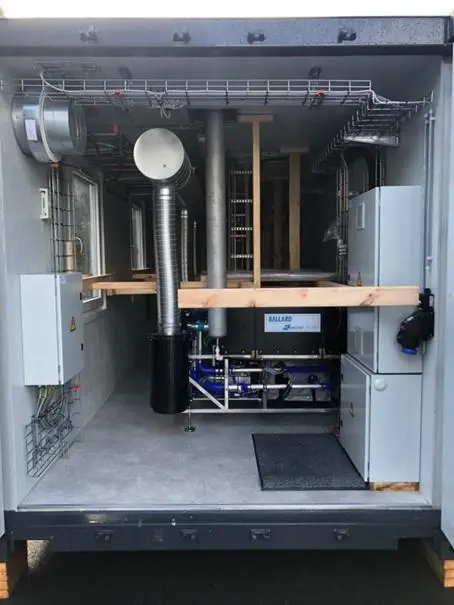
The string test involves the assembly of key power-train components and testing them as a system, prior to the commencement of any ship building. The tests, which were devised and conducted by Kongsberg, are designed to evaluate and optimise system performance, response, control and safety. In this case, the testing mirrors the operational loads which would be experienced by a vessel on a route between Kirkwall and Shapinsay in Orkney.
The string test involved the fuel cell system, consisting of 6 x 100kW Ballard HD-100 fuel cells, two Multidrives, the vessel’s energy storage system and energy management systems, transformers and switchboards. Variable load banks were used to simulate azimuth and bow thrusters. The vessel’s hydrogen storage and piping system, cooling system and safety, alarm and detection systems were also included.
Kongsberg welcomed the string test, which will provide information about safe operation and the system’s power and fuel capacity requirements.
“With a verified and tested hydrogen-based propulsion system, we take the next step in zero-emission solutions at sea. This project is another example of our world-leading Norwegian maritime cluster succeeding when we face the most demanding technological challenges”, says Geir Håøy, president of Kongsberg.
The next step will be for land-based system to undergo a 4-month testing program for validation purposes with the aim of verifying the final design for an H2-powered RoPax ferry. The fuel cell-powered vessel will be designed by CMAL, which plans to complete the design in March 2022.
Related Articles
 ALTERNATIVE FUELS & LUBRICANTS
 ALTERNATIVE FUELS & LUBRICANTS
 ALTERNATIVE FUELS & LUBRICANTS