



Sulphur 2020: The potential impact on fuel pumps after 0.50% sulphur limit is introduced
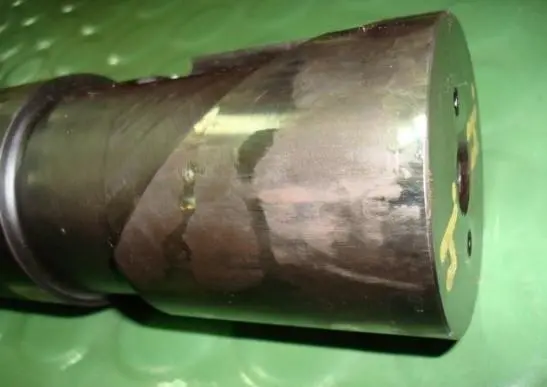
The implementation of MAPROL Annex VI Reg.14.1.3 0.50% sulphur limit for fuel oil, used onboard ships operating outside emission control areas, shall enter into force 1 January 2020 and presents one of the most significant challenges we’ve seen in the shipping industry for many years. Among the potential fuel-related issues that may need to be addressed, in preparation for the 0.50% sulphur limit requirement, is the potential impact on high pressure engine fuel pumps from the expected variations in 0.50% sulphur fuel quality.
The most common fuel pump failure modes are sticking, damage/wear out and leakage. Each failure mode can have a common or specific set of corresponding causes of failure. At the peak of the Houston fuel issue last year, the most common issues reported to LR’s Fuel Oil and Bunker Analysis Service (FOBAS) were fuel pump damage or a sticking problem. It was determined at that time that the most likely reason of the reported issues were suspicious fuel quality and the set of unusual components found in the Gas Chromatography and Mass Spectrometry (GCMS) analysis. It remains one of the most talked about subjects in the industry, with little consensus on the definition of a contaminant and at what levels a specific contaminant or component is likely to cause a problem. However, something in the fuel caused the problem even if there are still uncertainties as to how certain components cause fuel pump sticking and/or damage.
This specific contamination issue which caused damages to fuel pumps is not a frequent occurrence though it highlighted the importance of quality control within the marine bunker supply chain. At the International Maritime Organisation’s sixth Sub-Committee on Pollution Prevention and Response (PPR6) in February this year, there were a number of submissions related to fuel supply chain control. These proposed measures might receive some resistance due to certain practicalities nevertheless it will be discussed once more at the MEPC 74 in May this year.
Fuel pump impacts
When approaching the MARPOL Annex VI regulation, managing the variability of 0.50% sulphur fuels quality parameters will likely be one of the major challenges for ship operators, and fuel pumps will be impacted. The variable viscosity, especially change-over to very low viscosity fuels, may cause an increase in fuel oil leakage and in some cases, loss of hydrodynamic film between the fuel pump’s barrel and plunger. Internal leakages in the fuel pumps would result in reduced fuel injection pressure, which may have consequences on the engine’s performance. In the past, we have seen cases of engine breakdowns when engines running on high sulphur fuels (HSFO) for very long periods have had to change to low viscosity marine gas oils (MGO). For the ships sailing on high seas regularly visiting 0.10% sulphur emission control areas (ECA-SOx), their crews would have gathered a good level of experience in changing over to different blends. However, there will be many operators and owners who will have to experience a fuel changeover to these potentially very low viscosity fuels for the first time and will need to consider these issues ahead of the 1 January 2020 deadline.
Equipment makers provide guidance
Equipment makers provide a good level of guidance which should be consulted for operations and change-over to distillate or low viscosity fuels. Though in specific cases, to maintain the correct viscosity, system design modifications are sometimes recommended such as the installation of coolers or chillers and/or installing fuel pumps and injection nozzles, suitable to fuel oil with low viscosity. Fuel oil with extremely low viscosity at engine inlet may lead to adhesive wear (also known as 2 body wear). Engine makers and boiler makers should be consulted to ensure its safe and efficient operation. It is important to note that while some compliant fuels may not require heating, others including some distillates will require heating. It would therefore be prudent to review heating arrangements for distillate fuels on board and, where appropriate, maintain the existing heating arrangements.
One way of preventing issues with fuel pumps for owners and operators is to have a ship implementation plan (SIPs) for each ship in their fleet, this way they can consider the known and potential safety risks in the process of switching from the HSFO to Very Low Sulphur Fuel Oil (VLSFO) compliant fuel and defining the measures that will mitigate those risks. Part of this SIP process should be reviewing fuel ordering specifications and include any limit on fuel parameters to ensure safe operations on board. For example, some engine makers do have a limit on a fuel’s Calculated Carbon Aromaticity Index (CCAI). Shipowners and operators should also be evaluating the maintenance condition of the fuel pumps and identify any potential issues ahead of 1 January 2020, which is also part of a standard procedure defined in section 10 of the International Safety Management (ISM) code.
Overall, shipowners and operators need to adopt a holistic approach to help prevent issues with fuels pumps and machinery in general. This involves identifying the ships critical machinery components, assessing the performance conditions and making maintenance decisions to mitigate risks. Conventional fixed interval maintenance regimes may not be the optimum strategy and some ships/fleets may need to adopt condition-based maintenance to ensure better resource utilisation. To facilitate owners and operators, there are guidance documents available on how best to handle fuel pump problems, however ship planning and preparation is key to successfully meeting the IMO’s sulphur limit.
Related Articles
 ALTERNATIVE FUELS & LUBRICANTS
 FUELS & LUBRICANTS