



Tastes of the future
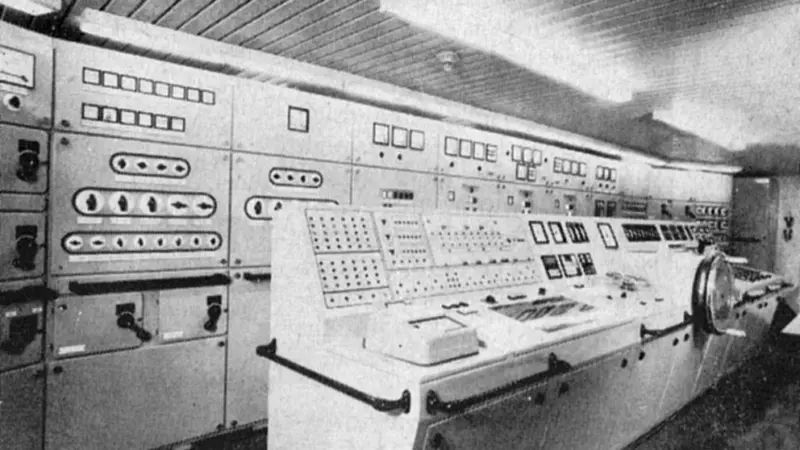
First of all, the editorial comment piece considered the future of automation. Although there were gains to be made, the writer – backed up by industry opinion – considered that the savings in manpower involved in machinery controlled direct from the bridge, with routine functions automated, did not justify the extra cost and complexity.
Despite getting that one wrong, our predecessors also looked forward to a ‘new type of vessel’. Most people will say that the offshore support ship, currently ubiquitous in these pages, began as trawler conversions in Norway. But in March 1961, the Italians had just launched the Saipem Ape, a 48.4m ship designed specifically for offshore oil rig supply duties. With large deck area, forward superstructure, and below-deck cargo tankage, the drawings bore an uncanny resemblance to a present-day PSV. And the Finnish Valmet yard was building eight non-propelled accommodation vessels, to house Russian offshore workers – another precursor of modern trends.
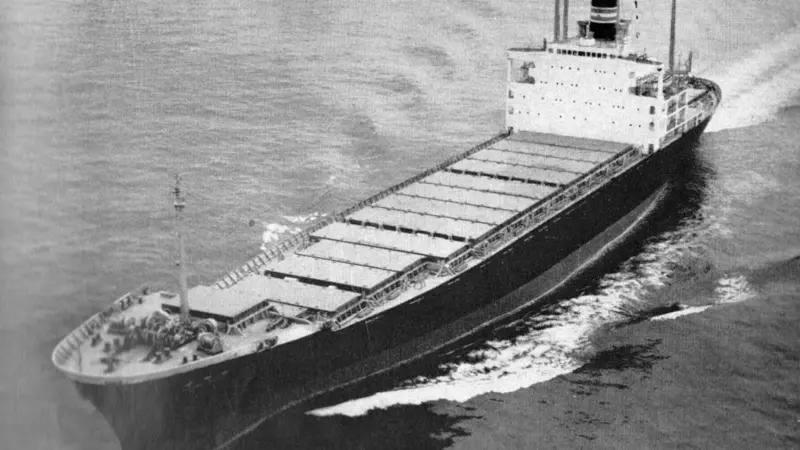
With China now eclipsing Korea as the largest shipbuilding nation, it is a sobering thought that 50 years ago the Chinese relied on their Japanese neighbours for cargo ship newbuildings. The Motor Ship reported on the first of a class of four 18-knot cargo/passenger liner vessels, ordered by the Nationalist China Government from the Uraga yard (the second was being built at Mitsui). The 158m Ru Yung was powered by an eight-cylinder two-stroke Sulzer RD76, rated 10,200bhp at 113rpm, and would enter service on a route taking in Taiwan, Japan and New York.
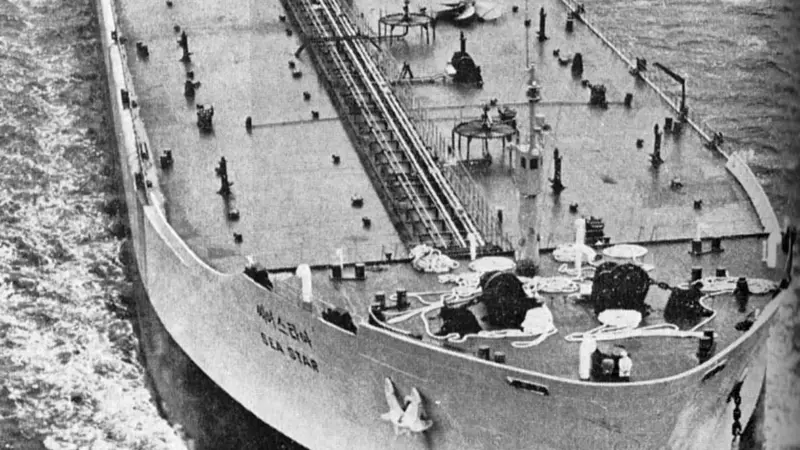
Another novel innovation was the introduction of closed-circuit TV monitors developed by Marconi for use when manoeuvring large tankers with the wheelhouse and accommodation aft, to overcome the limited visibility of the bow.
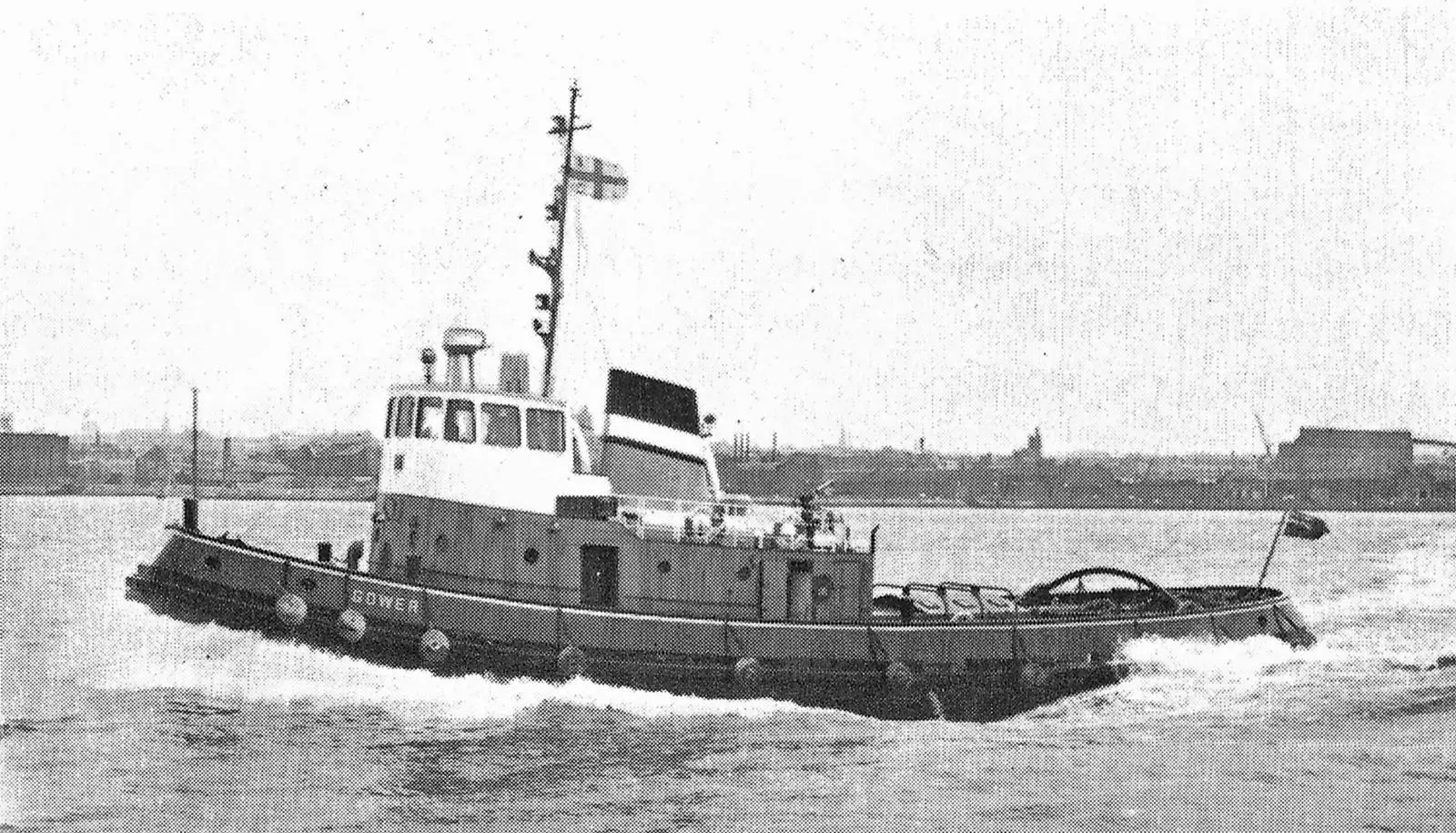
And although now we mostly leave detailed tug coverage to our sister title Maritime Journal, 50 years ago The Motor Ship ran an article bemoaning the declining state of the British tug construction industry. In 1961, only 28 tugs had been delivered by British yards, compared with twice that number in 1959. This was thought surprising, as 40% of the fleet had been built before 1929, so was well overdue for replacement. A ray of hope shone in 1962, as March figures showed 30 new tugs on order. Richard Dunston of Thorne was easily the most successful yard, with 11 tug references for 1961.
Related Articles
 50 YEARS AGO
 50 YEARS AGO
 50 YEARS AGO