



Teaming up on alternative fuels
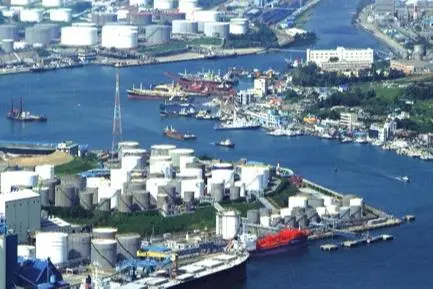
Through the agreement, the two organisations agreed to actively cooperate to support the design and development of decarbonisation policies for shipping ports in the Asia-Pacific region and the construction of green shipping routes using alternative fuels.
“With the adoption of the International Maritime Organization’s (IMO) carbon neutrality goal, decarbonisation of shipping ports has become a necessity rather than an option,” said Soon-yo Jeong, vice president of operations, Ulsan Port Authority.
“Ulsan Port will further strengthen port infrastructure development, system improvement, and mutual cooperation with stakeholders to promote the supply of carbon-free ship fuel such as green methanol and ammonia.”
Clean energy focus
The MoU will also help support policy analysis and development to solve climate issues, such as the use of clean energy in the maritime sector and the end of marine plastic pollution; promote eco-friendly fuel bunkering at Ulsan Port; develop safety standards, train port workers and share best practice into the future.
Ulsan Port has a strategy for building an eco-friendly energy logistics hub along with sales of eco-friendly ship fuel supplies such as methanol and ammonia.
In July 2023, Ulsan Port said it became the first in the world to supply green methanol to a container ship and in February 2024 successfully supplied green methanol fuel to the world’s first commercially operated ultra-large (16,200 teu) container ship.
The port plans to build a clean hydrogen and ammonia terminal at Ulsan New Port by 2030 to store ammonia to produce and supply hydrogen.
Related Articles
 ALTERNATIVE FUELS & LUBRICANTS
 ALTERNATIVE FUELS & LUBRICANTS
 ALTERNATIVE FUELS & LUBRICANTS