



Tech answer to trust
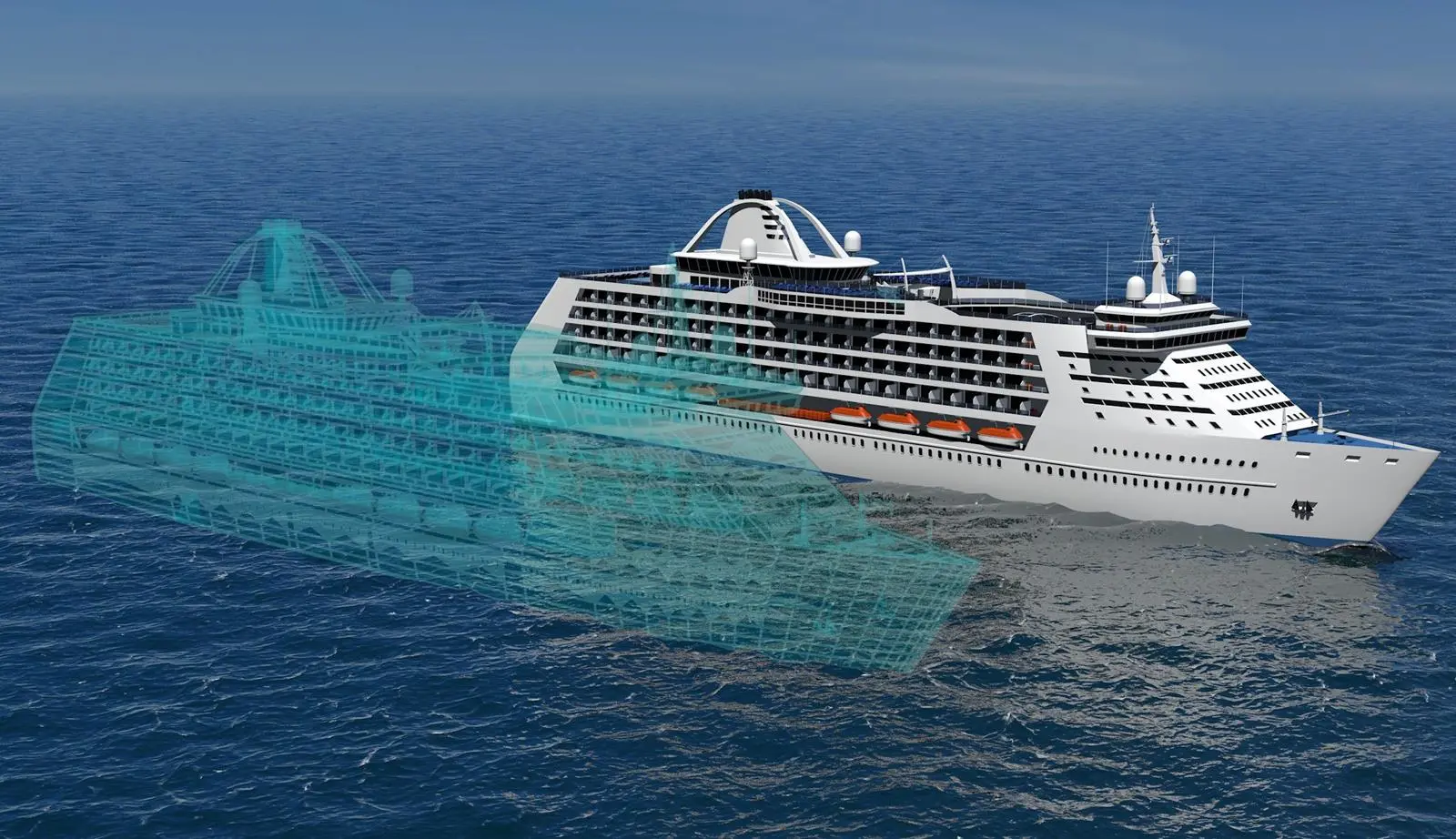
Kristine Ludvigsen, DNV GL lead of the Open Simulation Platform (OSP) project explains that simulation models “follow an asset from design to operation” but are typically not made available for cooperation as they run very close to the manufacturers’ IP.
But there’s more reason than ever to find a collaborative approach.
“It all starts with the shipbuilders. Most, for different reasons, will be buying in the equipment from different manufacturers… and then they have to integrate it into a common system,” says Dmitry Kisil of West P&I.
Not only that, but “when we come together with a yard for a newbuild, there’s always some new technology comes into the conversation, it’s evolving all the time”, says Jonas Åkerman of Wärtsilä. Inevitably, this new tech demands another layer of software which may not sit that happily on the original architecture.
“Incidents can and do happen,” says Kisil. “I’ve known propulsion control problems which have left the crew trying to reboot the system while underway – they couldn’t find a way to regain manual control.”
Complexity poses a challenge. Commercial considerations mean a number of different, contributing suppliers, says Ludvigsen. “Firstly, you want to verify how they sit upfront during development, and secondly, when you upgrade, you’ll want to know they will continue to work together.”
That can be an issue. “While you don’t think twice if you have to renew a phone every two or three years or update the software every month,” says Eero Lehtovaara of ABB, “a ship’s lifecycle of 30 to 40 years makes for very different considerations.”
As Kisil points out, “it’s just not possible to keep all the equipment and the software up to date”, especially detached systems with little or no outside access. “These will sooner or later be running an older programme so integrated systems must run without requiring the latest installation. Moreover, he adds, “software updates must not create any conflicts”.
Certainly, this stands to become more of an issue “as you’d always like to push out the best upgrades or versions, but you need to make sure it is fully validated”, says Svein Kleven of OPS programme partner Kongsberg.
But again, the problem has been that every time design details are exchanged there’s potential for loss of confidentiality.
“A common platform was necessary,” says Kleven. But it had to respect the individual players’ IP, so the research team has worked out a way to make it happen. Essentially, it comes down to a “black box” model of the system says Ludvigsen, which keeps the proprietary information inside, but still leaves the dynamic performance data available. So far, given this IP shielding, “we have found people seem really willing to share”, she comments.
Further, adds Kleven, when it comes to updates, “it makes a step change” far easier and safer.
Related Articles
 ENERGY SAVING DEVICES
 LNG
LNG
 ALTERNATIVE FUELS & LUBRICANTS