



Too many engine builders
It compared the UK, with 37 shipyards and 18 engine builders, with the next two most important shipbuilding nations – Japan (18 yards and five engine builders) and Germany (17 yards and four engine builders). Of course, most of the engine builders were licensees, which prompted our predecessors to speculate that fewer engine works would promote greater efficiency. However, elsewhere in the magazine a note of caution was sounded because nearly all the British large-bore engines in build were of Sulzer design, and the editorial team was worried about one supplier gaining a monopoly – particularly a foreign company.
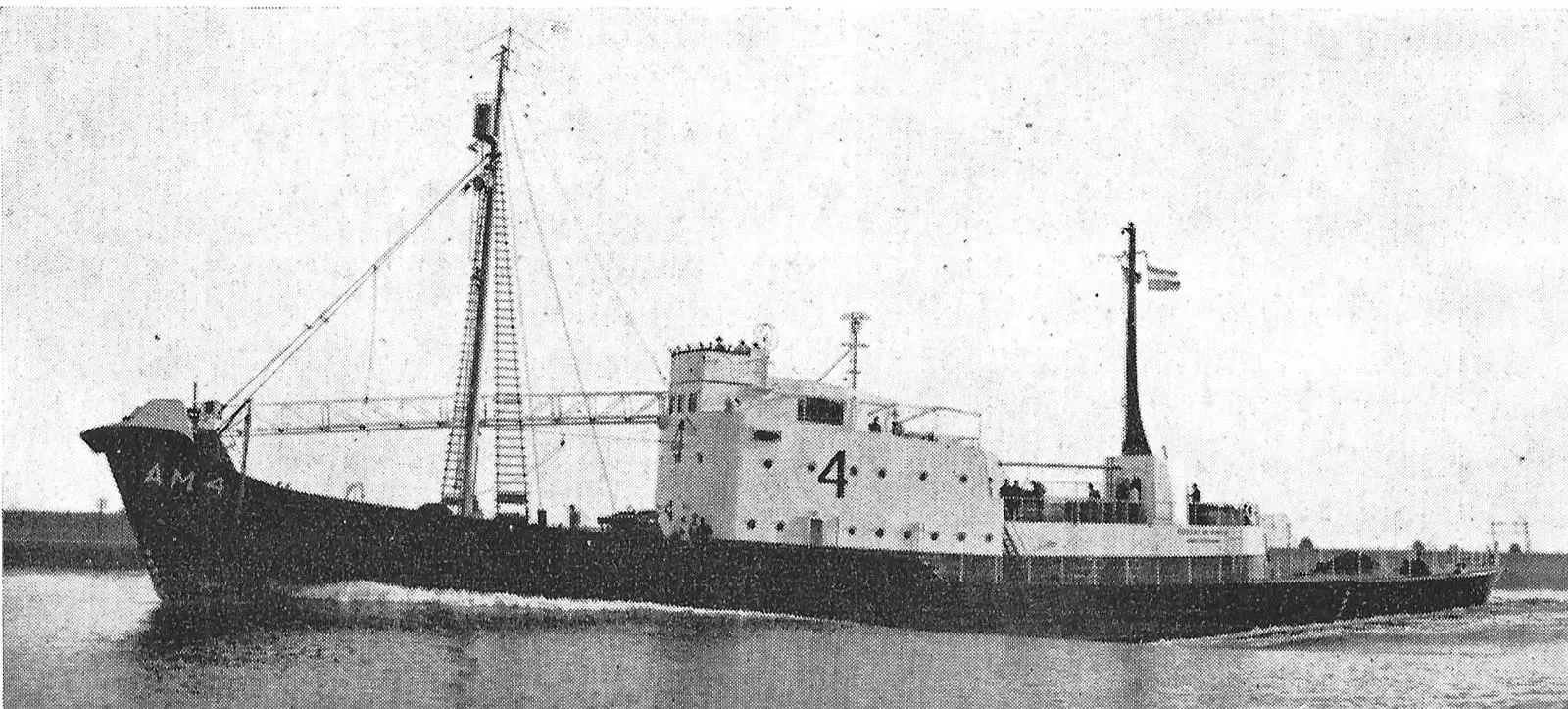
Elsewehere, a comprehensive report looked at anti-collision measures for the US ship Savannah – of topical interest now with nuclear propulsion for merchant vessels again under serious consideration. And a Dutch-built whaling ship attracted similar interest, being powered by an “improved” British Rankin & Blackmore gas turbine, or “free piston” engine as The Motor Ship preferred to call it.
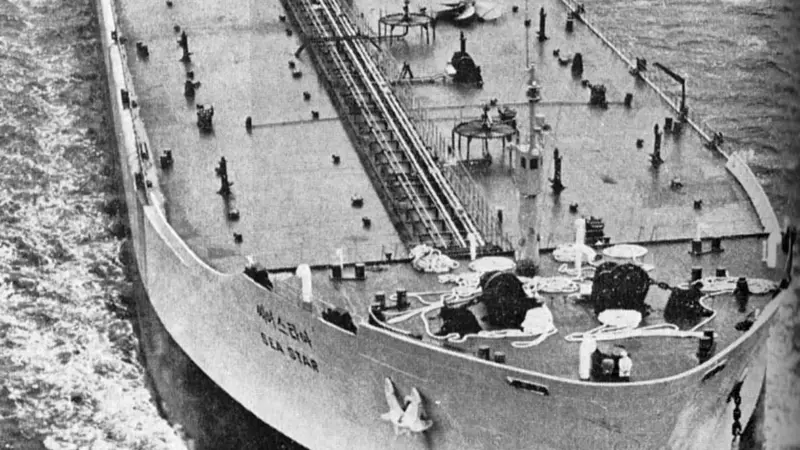
Various other novelties described in that issue are commonplace today. Exhaust gas turbochargers were still being regarded as new technology, and chrome plated cylinder liners were presented as an innovation. A Norwegian tanker broke new ground in having twin rudders as well as twin screws, for better manoeuvrability in the Suez Canal, while a Danish ferry, the Prins Bertil, had an upward-swinging bow door to allow discharge of vehicles, standard practice for many years.
Related Articles
 50 YEARS AGO
 50 YEARS AGO
 50 YEARS AGO