



Tracing the true footprint of eco-fuels
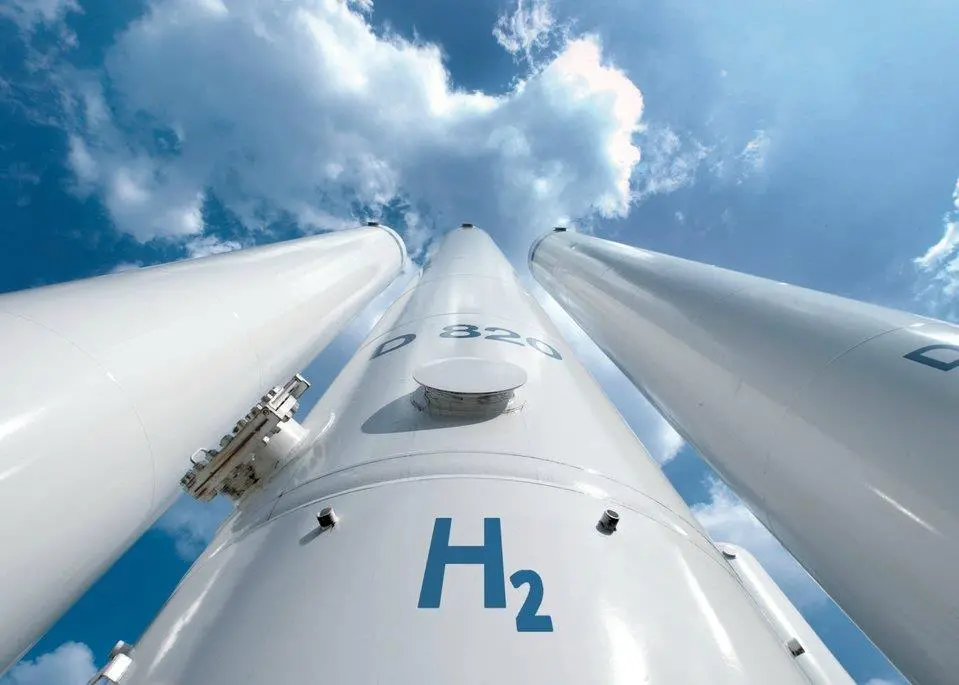
To be sure a fuel is truly as sustainable as claimed, the end-to-end supply chain must be examined, from the way the fuel was initially produced, through to its bunkering and eventual use, says the ’Tracing the true carbon intensity of sustainable marine fuels’ report produced by Lloyds Register Maritime Decarbonisation Hub and Safetytech Accelerator.
A fuel can be presented as carbon-neutral, but could release substantial emissions when measured on a well-to-wake basis, it warns.
Alternative fuels may also be blended, mixed or re-labelled before they reach their final destination meaning transparency is key to credibility.
“The assurance of new green fuels, whether in terms of safety, origin, carbon footprint, is going to be a key component of the journey towards maritime decarbonisation,” said Dr Maurizio Pilu, Safetytech Accelerator managing director.
“The right technologies could make the assurance process cost-effective, reliable and scalable,” he added.
LR Maritime Decarbonisation Hub and Safetytech Accelerator have explored two technologies that can track the true carbon footprint of hydrogen and ammonia, two of the most promising long-term alternative fuels.
Using a solution created by TYMLEZ the fuel is subject to a ‘guarantee of origin’ scheme where each unit of hydrogen or ammonia is certified through a live data platform that captures emissions data during the production process.
Secondly a process developed by Authentix then accounts for any blending or mislabelling using a synthetic marker system which evaluates the chemical make-up of the fuel, spotting any dilution or adulteration.
Related Articles
 ALTERNATIVE FUELS & LUBRICANTS
 ALTERNATIVE FUELS & LUBRICANTS
 ALTERNATIVE FUELS & LUBRICANTS