



Two new fouling control technologies from International
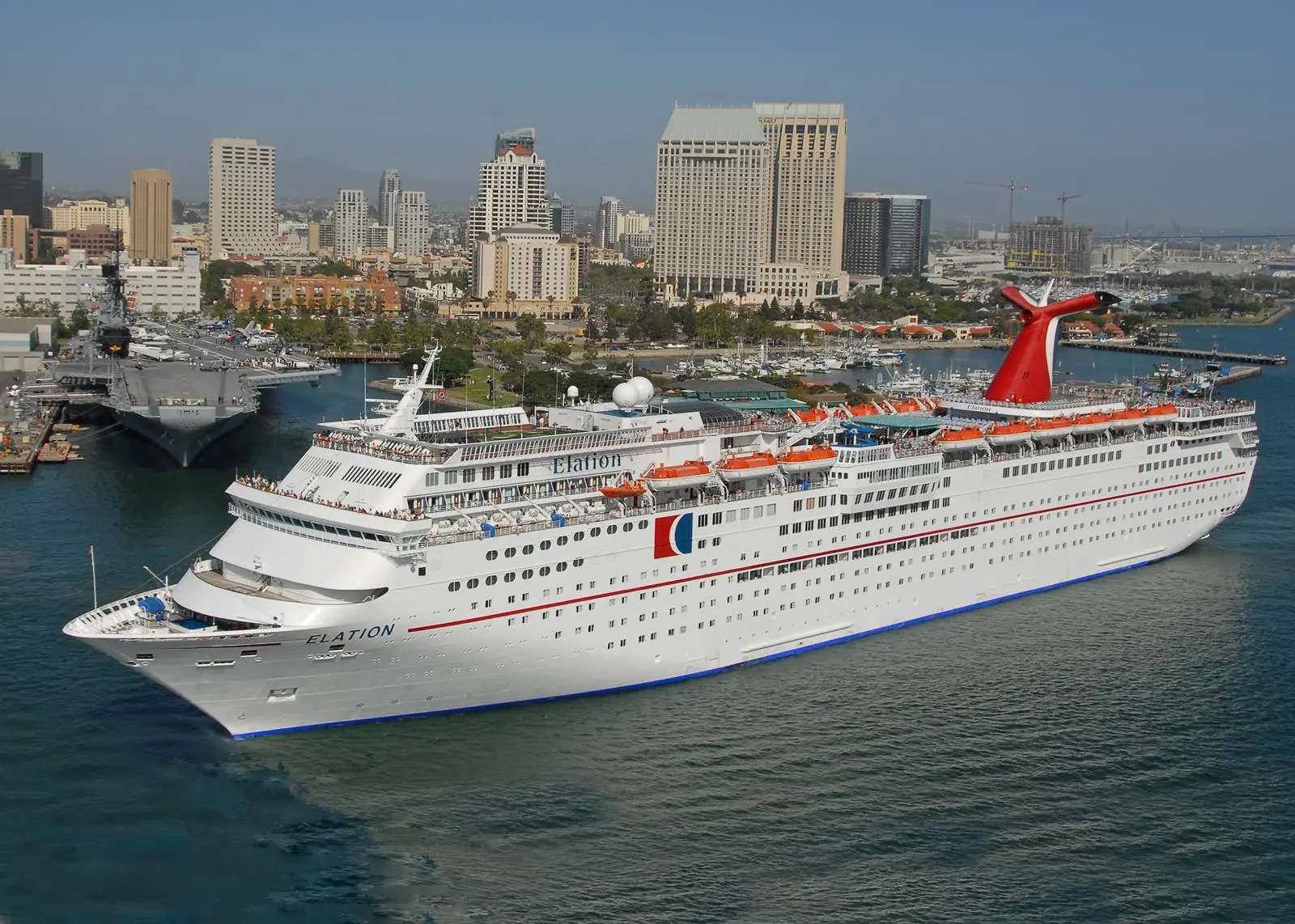
Designed to address predictability of antifouling performance and the issue of slime fouling, the two new technologies are expected to improve vessel operating performance, increase efficiency and help control fuel costs and emissions.
The new products are, firstly, Intercept 8000 LPP, a biocidal linear polishing polymer antifouling featuring patented ‘Lubyon’ technology intended to deliver predictable long term performance for in-service periods up to 90 months. And secondly, Intersleek 1100SR, said to be the first biocide free fouling control coating featuring patented slime release technology to combat micro fouling on ships hulls, maintaining performance throughout the docking cycle, again offering 60- to 90-month in-service periods.
The Lubyon polymer technology of Intercept 8000 LPP is claimed to offer consistent and predictable linear polishing, replicating the effects of the banned tributyl tin (TBT), which the company says will enable ship operators to plan and budget effectively throughout the dry-dock cycle of the vessel.
The technology provides a ‘superhydrophilic’ surface, meaning that when the coating is immersed, the polymer reacts with seawater via a constant surface active zone, which offers both a lubricating effect, resulting in less friction, and releases the optimum amount of biocide over the scheme life to control fouling settlement. Reduced friction means less drag, representing likely savings in fuel and of 5% annually compared to typical controlled-depletion polymer antifoulings. The coating surface swells on contact with seawater, helping to smooth out imperfections and potentially further reducing drag. Critically, the release rate of the copper-based biocide is largely unaffected by seawater temperature thanks to the Lubyon polymer, giving further control and consistency.
Unlike typical silyl and metal acrylate antifoulings, the polishing rate of Intercept 8000 LPP remains constant throughout the in-service period, replicates the linear polishing of the benchmark TBT-based coatings. The coating has undergone extensive trials on various ship types including container ships, tankers, bulk carriers and LNG carriers.
For owners not able to make the initial investment in the premium Intercept 8000 LPP product, a lower-cost mid-range version has been introduced, known as Intercept 7000, which offers the linear polishing of Lubyon technology, but not some of the other advantages such as temperature consistency and low drag.
At the same time, International has launched Intersleek 1100SR, to tackles the market’s ‘slime challenge’. According to the company slime is a complex, varied and dynamic organism which begins to colonise surfaces as soon as they enter the water, and which has been proven to have an adverse effect on efficiency, resulting in a decrease in fuel economy and extra emissions.
Designed to be effective even at slow ship speeds, Intersleek 1100SR is claimed to deliver outstanding macro- and micro-fouling control with good static resistance even in warm waters, making it particularly suitable for slow steaming. Any slime built up during static periods is released once the ship moves, thanks to the patented fluoropolymer which enhances the slime resistant polymer groups used in earlier generations of Intersleek.
International says it has undertaken comprehensive research into slime growth, including a three-year fundamental research programme involving marine biologists, hydrodynamicists and polymer scientists, supported by independent academic institutes. Testing has been carried out over four years of laboratory trials backed by in-service trials undertaken with several major ship operators.
Related Articles
 PROPULSION
 GENERAL NEWS
 HYDROGEN