



Via Kaizen voyage optimisation project concludes
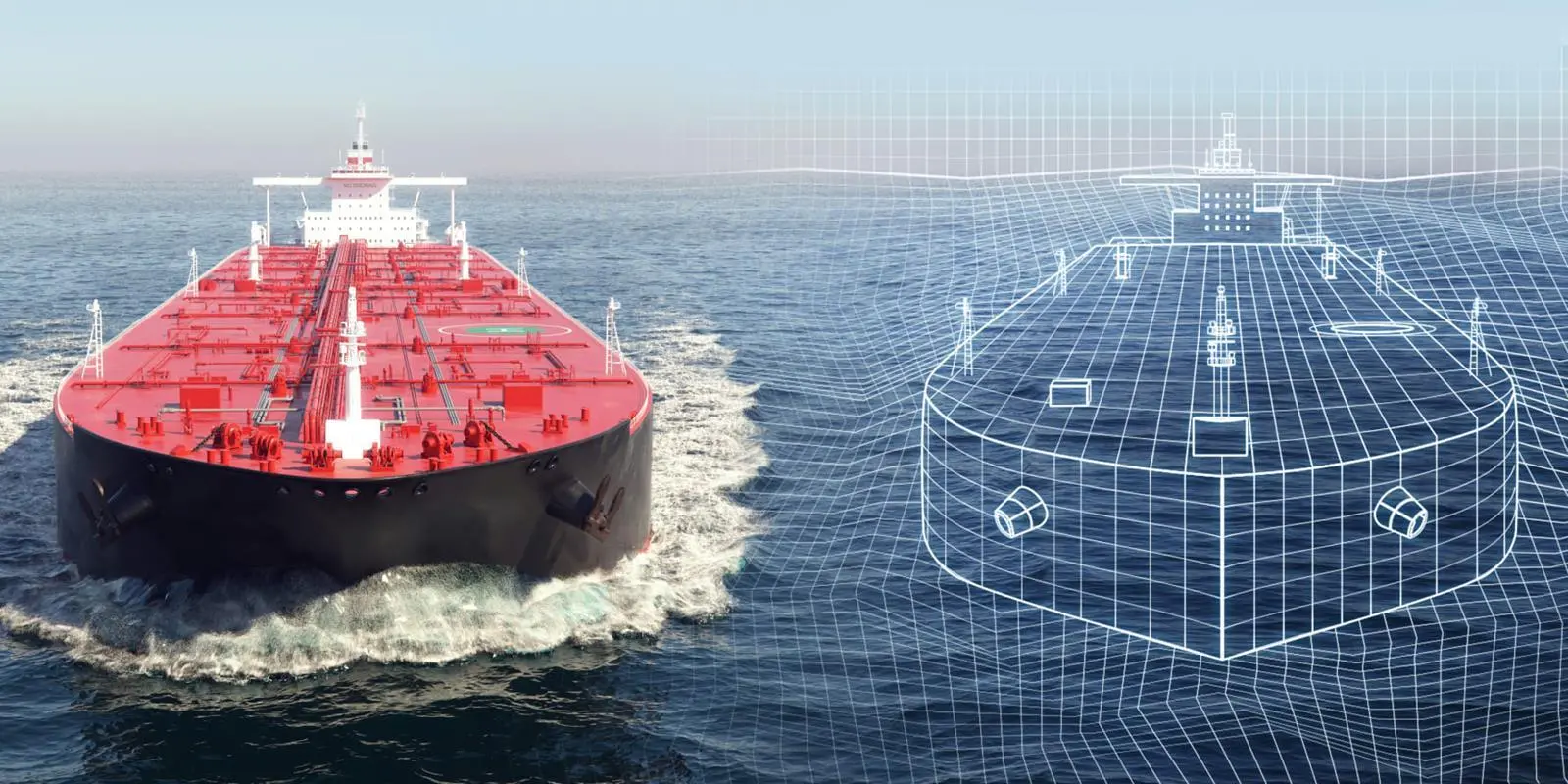
The collaborative project also included Yara Marine Technologies, AI application developers Molflow, and researchers from Chalmers University of Technology, Halmstad University and Gothenburg University.
Since the project kicked off in August 2020, the Via Kaizen project has explored how AI and machine learning can enable more energy-efficient voyage planning for ship operators.
The project was funded by the Swedish Transport Administration, and optimised the operation of existing applications, such as Yara Marine’s propulsion optimisation system FuelOpt and its performance management tool Fleet Analytics, as well as Molflow’s vessel modelling system Slipstream, to enable a higher degree of digitalisation and automation in vessel operations. Existing work practices onboard and user needs were analysed during the design process to ensure the technology facilitated processes and decisions with the greatest impact on energy efficiency.
The resulting system was trialed onboard two vessels, a PCTC operated by UECC and a Rederiet Stenersen product tanker. The wide-ranging results indicated successful energy efficiency optimisation based on estimated time of arrival (ETA), with one of the two trial vessels opting to continue using the system.
The Via Kaizen project demonstrated that incorporating machine-learning algorithms for improved predictive modelling of ship propulsion power can result in more accurate performance forecasting and optimisation. It also evidenced the necessity of constructive collaboration between technology developers and users, as well as between ship operators and their customers.
Throughout the trials, crew played a key role in determining the success of energy efficient voyages. This shows the necessity giving ship crews and management every opportunity to engage with, understand and embrace the value of AI-powered ship operation support technology in assisting daily operations onboard and ashore.
Following the conclusion of this project, additional funding has been secured from the Swedish innovation agency Vinnova to further explore a selection of its findings.
Related Articles
 ENERGY SAVING DEVICES
 LNG
LNG
 ALTERNATIVE FUELS & LUBRICANTS