



Wärtsilä’s dual-fuel vision for fuel uncertainty
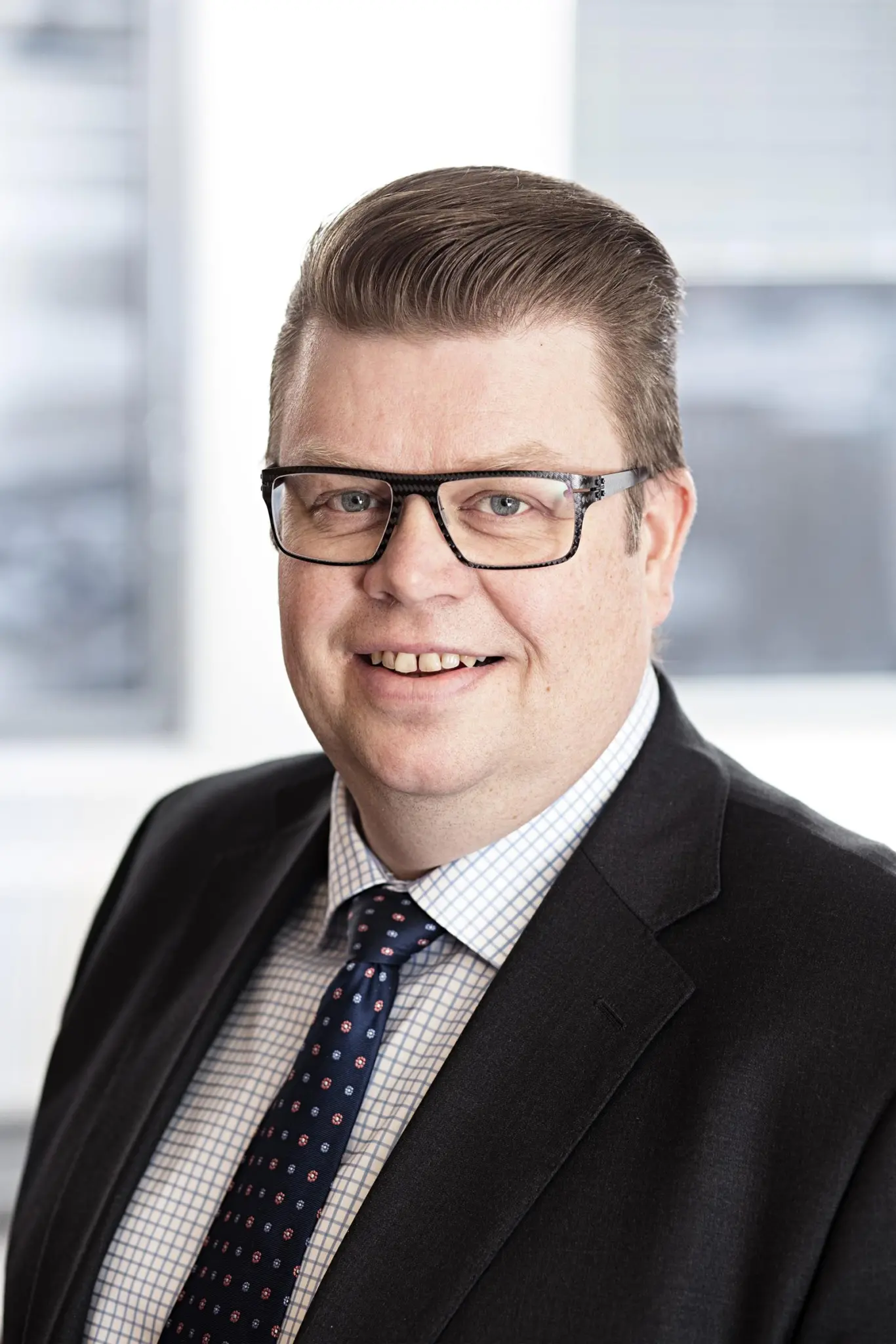
“Our clients today are in this dilemma that they really don’t know which direction to go,” Nysjö explains. “And for them, it’s a question about which fuel. And they are thinking from a financial viability perspective, what would economically make sense, then the technology as such comes second. But of course, they are also thinking which technology will be scaling and maturing fastest. Since these questions are open, this is the reason why the industry has this sort of passive behaviour, or wait and see mode, which I personally think is the riskiest option of them all, not to move in any direction.”
Despite the indecision across parts of the sector, Wärtsilä has remained focused on refining its dual-fuel capabilities, particularly in relation to LNG. “Dual-fuel technology is here to stay, and the popularity of that technology has really increased. And when I say dual-fuel, I mean in its full sense, because today some people still think about LNG only when you talk about dual-fuel, while the flexibility of dual fuel capability will also be of highest value with the new fuels.”
The company’s strategy rests on the flexibility that dual-fuel engines offer in a time of fuel uncertainty. “The technology for the new fuels needs to be developed with a focus on de-risking operations and dual-fuel technology also offers flexibility. We are working on two fronts. One front is the dual-fuel technology in general, because we know that whatever the fuel will be, it will not be easily available, at least not in the beginning. So, in order to provide flexibility and to de-risk operations, I think this is the technology that owners will need.”
In addition to flexibility, Wärtsilä has made methane slip reduction a key focus over the past three decades. “We have worked now for 30 years on reducing methane slip, and we have, if you look at it from that perspective, been cutting down by about 90% over those years,” says Nysjö. “So, with that technology, we are now down to the level which is almost unheard of.
“Both FuelEU Maritime and IMO regulations are based on assumptions of methane slip from LNG as a fuel of 3.1% and 3.5% respectively – but with our NextDF technology, we are about a third of that in reality,” Nysjö adds.
LNG’s long-term role is often questioned, but Nysjö believes its transitional value lies in its potential to blend with renewable alternatives. “The beauty with a gaseous fuel such as methane is that an engine doesn’t recognise if the methane is fossil-based or bio-based, or even synthetic, methane is methane. Which means that you can gradually start to introduce bio-based methane at whatever percentage you like, and which you’ve managed to source of course. We have talked about LNG being a good transitional fuel, but it’s really the methane burning technology, which is a good transitional technology, because from there you can take a step and eventually even go to E-methane.”
Yet even this approach has its limits. “But of course, one thing to remember is that methane is a carbon neutral fuel at best. Methane by default, contains carbon, so it will never be a carbon free fuel.”
While LNG and methane-based solutions remain a key focus, Wärtsilä is also casting its eyes to alternative fuels such as ethanol, which is beginning to attract attention in regions like Brazil. “There’s a focus on ethanol in Brazil, linked to developments in the agricultural sector. There’s more bio-based ethanol becoming available and for that reason I would say there’s a small but growing interest [in ethanol as a fuel].”
The company’s exploratory thinking also includes a more holistic approach to alcohol-based fuels. “The growing interest is like what we’ve seen with methanol.”
Collaboration, Nysjö emphasises, is critical to navigating such a complex and fast-evolving landscape. “A challenge of such magnitude means there is no single company that will manage that. It’s not like in the history of technology providers, they were developing things behind the scenes, and one day came to the market and said, “Ta da! I have the solution”. Today, the situation is much more complex, so we genuinely believe that there needs to be cross collaboration within the industry.”
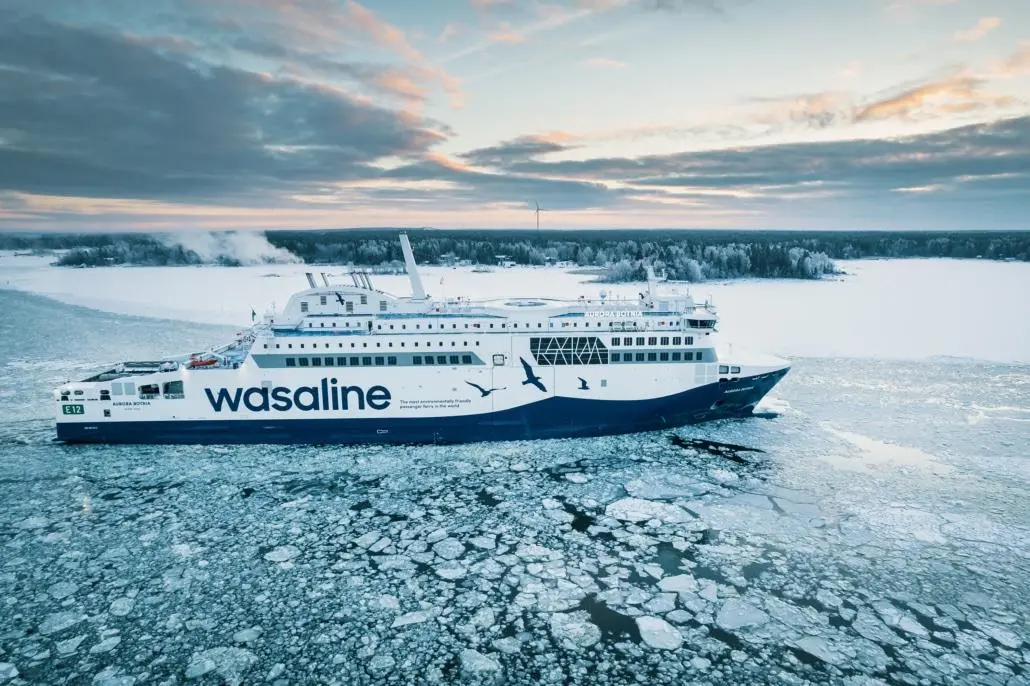
Wärtsilä’s partnerships are wide-ranging, including live trials aboard vessels such as the Aurora Botnia (pictured). “The Aurora Botnia ferry is the most sustainable ferry in the world. We have a constant collaboration ongoing there, even to the extent that we are using that one engine on board as our floating laboratory. These things are extremely important, but there are many other examples where we are collaborating with start-up companies and educational institutions, and there is a government supported programme in Finland. It goes under the Business Finland umbrella.”
As the industry continues to explore a range of decarbonisation options, Wärtsilä’s strategy suggests that flexibility, continued technology refinement and cooperation across stakeholders will be essential ingredients for a sustainable marine future.
Related Articles
 ALTERNATIVE FUELS & LUBRICANTS
 ALTERNATIVE FUELS & LUBRICANTS
 ALTERNATIVE FUELS & LUBRICANTS