



Waste-to-hydrogen project planned for Suez Canal
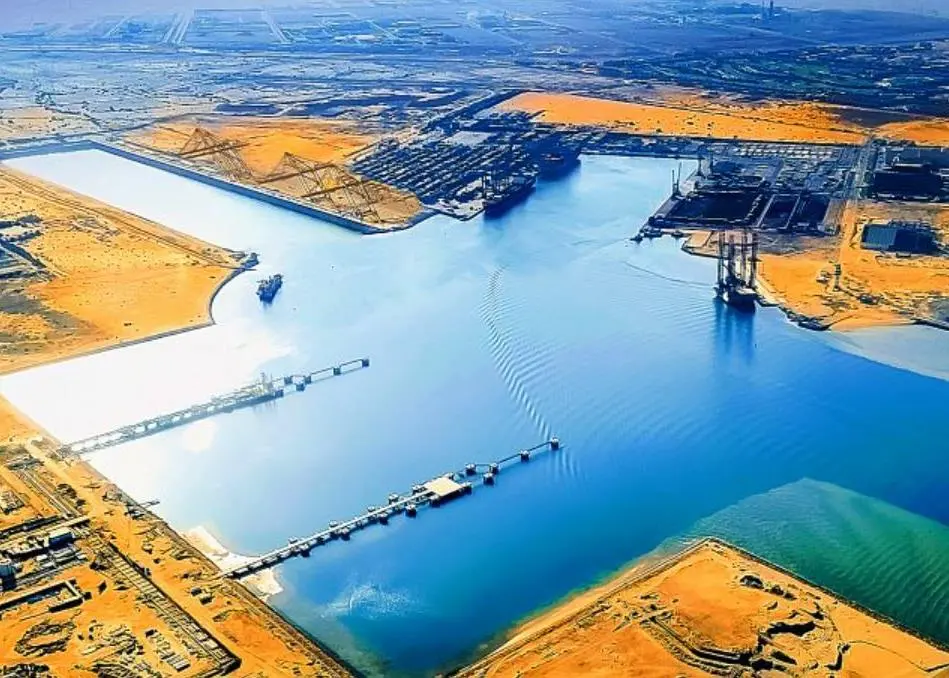
The hydrogen plant will use four million tons of organic waste and non-recyclable plastic per year as feedstock and will be located at the Mediterranean entrance to the Suez Canal. It will produce 300,000 tons of green hydrogen per year at half the levelised cost of current green hydrogen production technologies, says H2-Industries.
The company has developed a proprietary process for creating large amounts of green hydrogen from organic waste, and its processing facility at East Port-Said will be the first project of its type in the world. The waste heat from the H2-Industries’ process can be used to generate power with steam turbines and generators, and the company can create low-cost synthetic diesel or sustainable aviation fuel, with the captured CO2.
The green hydrogen produced will be transported using a liquid organic hydrogen carrier (LOHC) at ambient temperature and pressure. The LOHC is safe and environmentally-friendly, has almost unlimited storage capacity and is rechargeable and stable for long periods of time.
H2-Industries says its products can be used in a particularly sustainable manner on ships. It is collaborating with the Dutch company PortLiner on the first all-electric inland container ships based on LOHC power storage technology.
Executive Chairman of H2-Industries, Michael Stusch said: “The Waste-to-Hydrogen plant is a breakthrough in making green hydrogen economically viable, helping not only reduce global CO2 emissions but also reducing the pollution and impairment of water resources in the country.”
H2-Industries is poised to undertake several projects which will convert organic waste, including plastic, agricultural waste and sewage sludge, into useable hydrogen. It is also commercialising other green hydrogen projects such as the transformation of coal fired power plants to hydrogen power plants and transforming steel, cement and glass production by making it CO2 free with green hydrogen. At present, H2-Industries is engaged in commercialisation activities in 20 countries on five continents.
Related Articles
 ALTERNATIVE FUELS & LUBRICANTS
 ALTERNATIVE FUELS & LUBRICANTS
 ALTERNATIVE FUELS & LUBRICANTS