



WinGD approves single cylinder oil solution from Total Lubmarine
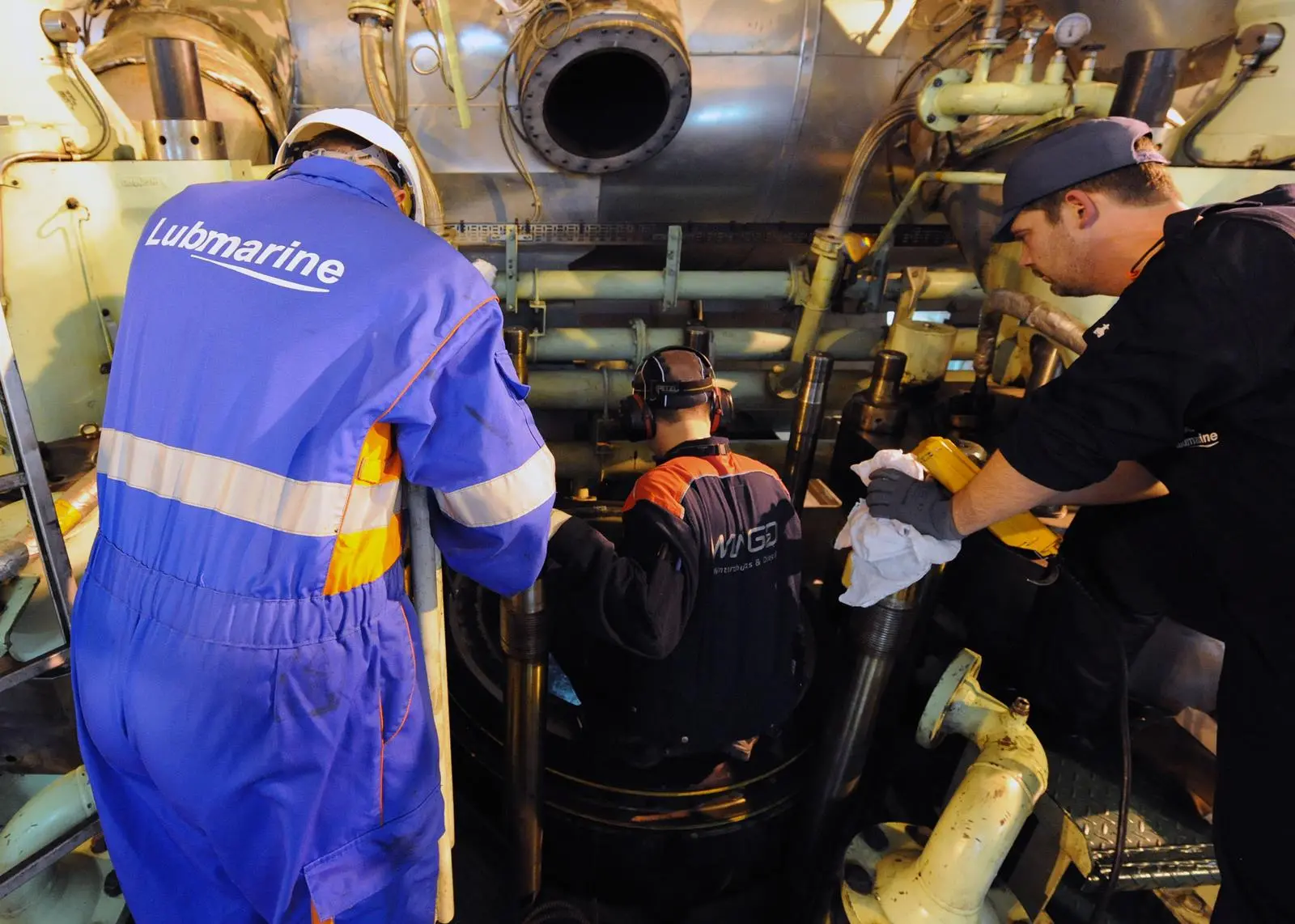
According to Total Lubmarine, the new lubricant, suitable for use with fuels ranging for 0% to 3.5% sulphur content, will enable ship operators to switch between low- and high-sulphur fuels – as required for ECA compliance – without switching cylinder oil. Current practice is to switch to low BN oils when burning low-sulphur fuels, while most modern two-stroke engines require high BN fuels for high-sulphur running.
Talusia Optima features Total Lubmarine’s new ash-free neutralising molecules (ANM) chemistry, said to provide super-neutralisation, outstanding cylinder cleanliness and the potential to reduce feed rates. ANM is used to add basicity in balance with traditional base provider calcium carbonate, which can leave excess deposits in pistons when used in high proportions alongside low-sulphur fuels.
The product is being tested on several ships ahead of an expected launch later this year. Over 4,300 hours of validation testing have already been completed on a Wärtsilä 14RT-flex96C-B engine onboard a mega-boxship deployed on Asia-Europe liner routes. Engine inspections and oil analyses throughout the test period met Wärtsilä’s requirements.
WinGD has given approval (via a letter of no objection) for the use of Talusia Optima with its Wärtsilä RTA, RT-flex and X engines as well as in Sulzer two-stroke engines.
Total Lubmarine technical director Jean-Philippe Roman said: “Talusia Optima is the first and only cylinder lube oil on the market able to lubricate engines operating with fuels with any sulphur content. It will bring an end to the need for vessels to change lubricant when entering and leaving ECAs, making life easier for ships’ crews.”
Serge Dal Farra, Total Lubmarine global marketing manager, added: “Our customers indicated their need for a simple, flexible product to counter the complexity of shipping operations in the current regulatory environment. Not only does Talusia Optima simplify engine lubrication for engineers, but used in conjunction with a well monitored feed rate reduction programme, offers potential savings.”
Related Articles
 ALTERNATIVE FUELS & LUBRICANTS
 FUELS & LUBRICANTS