



YARA SEES SHIPPING FUEL AS EARLY MOVER FOR GREEN AMMONIA
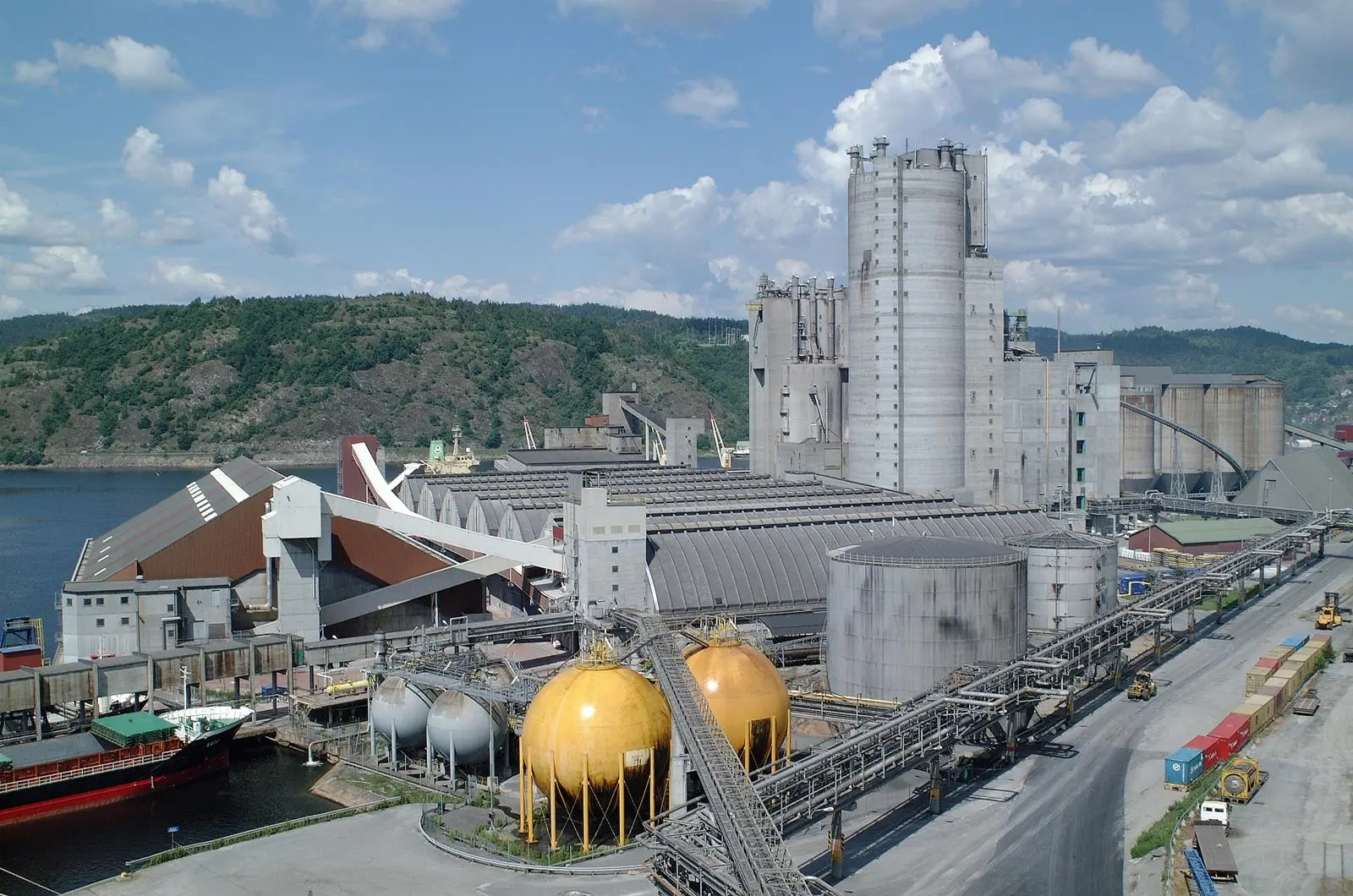
The company aims to fully remove CO2 emissions from its Porsgrunn ammonia production and thereby produce emission-free fuel for shipping, carbon-free fertilizer and ammonia for industrial applications. It anticipates producing 500,000 tonnes of green ammonia annually and sees the market, including shipping, agriculture and industrial applications, as growing by 60 percent over the next two decades.
“We are broadening our business model not only focusing on food solutions, but also enabling the hydrogen economy at scale,” said Terje Knutsen, EVP Farming Solutions, speaking at an investor seminar earlier this month. “We believe that ammonia will play a crucial role in enabling the hydrogen economy across a broad range of industries and applications.”
He says the hydrogen economy is developing faster than previously anticipated, and hydrogen is now strongly positioned to lead the energy transition. “Ammonia is the most promising hydrogen energy carrier, even better than hydrogen itself. Ammonia is easier to transport and has a higher energy density than liquid hydrogen. There is global infrastructure in place already based on existing and mature production and storage technologies. Furthermore, existing ammonia production can be scaled based on renewable electricity and clean hydrogen.”
Knutsen anticipates that the shipping fuel market will be amongst the first to reach scale in the green ammonia market. “This belief is based on the IMO’s greenhouse gas targets to reduce carbon intensity as well as the current trajectory for engine developments which could put ammonia into conventional marine engines by 2023.
“We see emerging and realistic economics in the medium term for ammonia-based clean hydrogen and expect that public co-funding will be in place to support first movers in the transition period. The time to act is now. Value chains are developing, and we want to take a leading position.”
Yara is seeking partners and government support for its vision of zero-emission ammonia production in Norway. If the required public co-funding and regulatory framework is in place, the project could be operational in 2026, and this would eliminate one of Norway’s largest static CO2 sources.
In October, Yara and Ørsted announced a green ammonia project in the Netherlands. The partners aim to develop a 100MW wind powered electrolyser plant for renewable hydrogen production, aiming to replace fossil-based hydrogen with renewable hydrogen for ammonia production in Yara’s Sluiskil plant, located in the Dutch province of Zeeland. The renewable hydrogen would generate around 75,000 tons of green ammonia per year – approximately 10% of the capacity of one of the ammonia plants in Sluiskil – based on dedicated renewable energy supply from Ørsted’s offshore wind farms, including its Borssele 1&2 offshore wind farms located off the coast of Zeeland close to the Sluiskil plant.
The green ammonia is intended to be used in the production of carbon neutral fertilizer products, decarbonizing the food value chain and also has potential as a future climate neutral shipping fuel.
Ørsted and Yara are seeking public co-funding for the development and construction of the 100MW electrolyser facility. Subject to sufficient co-funding and a confirmed business case, a final investment decision to build the new plant could be taken late 2021 or early 2022.
Yara is a major ammonia producer with around 850,000 tons of production capacity across 17 units annually. It owns four ammonia export plants in Europe capable of shipping around one million tons, and outside Europe it has around 2.7 million tons of export capacity. It has a marine transport capacity of over 200,000 tons, 18 marine ammonia terminals and storage capacity of around 580,000 tons.
As well as the Norwegian and Dutch projects, Yara is undertaking an ammonia production project in Australia in partnership with Engie which is expected to start commercial operations in 2023.
Related Articles
 ALTERNATIVE FUELS & LUBRICANTS
 ALTERNATIVE FUELS & LUBRICANTS
 ALTERNATIVE FUELS & LUBRICANTS