



Japan and Australia in hydrogen transport project
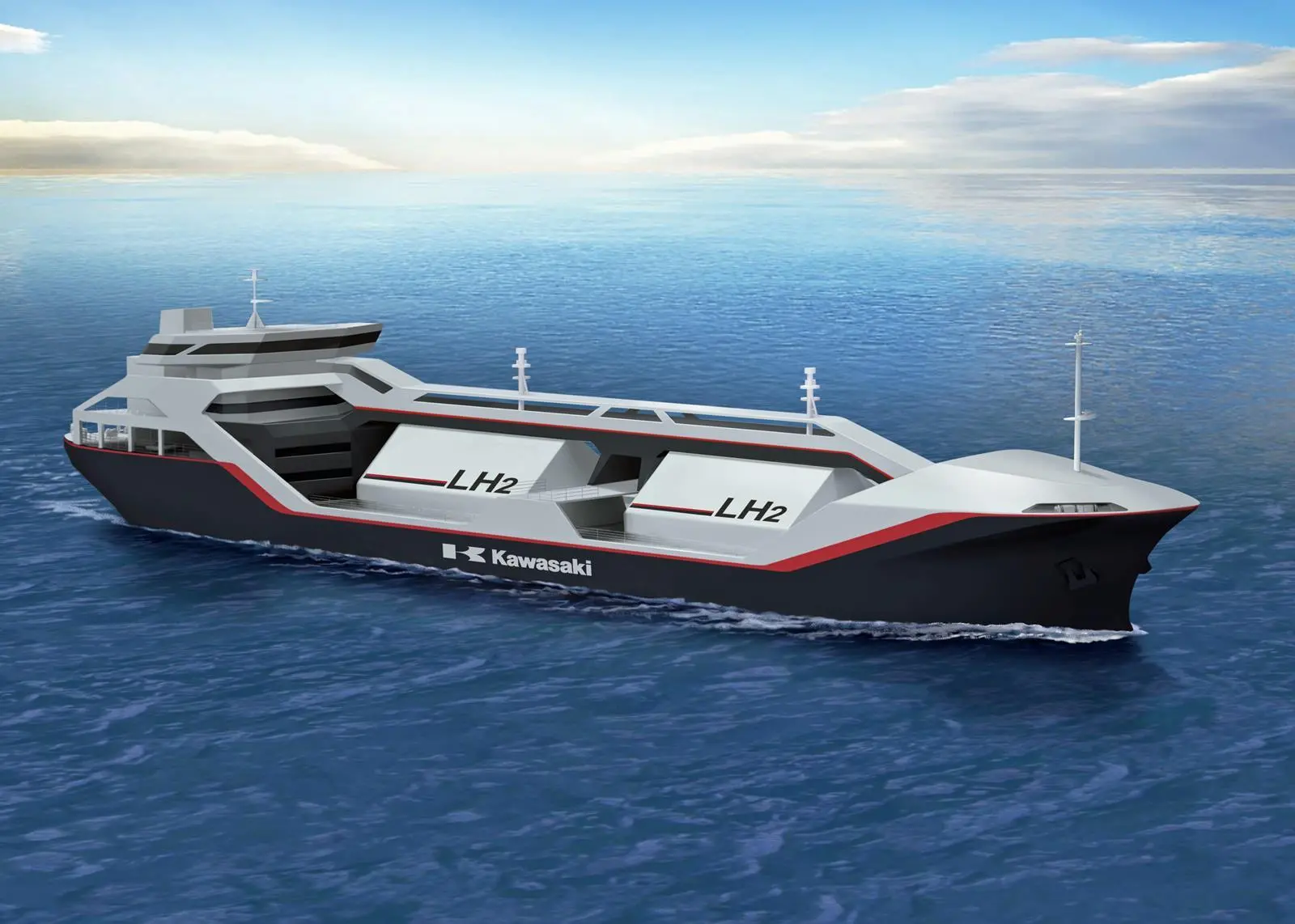
The Hydrogen Energy Supply Chain (HESC) project is the first to seek to demonstrate the viability of the hydrogen supply chain, producing hydrogen from brown coal in Australia’s Latrobe Valley and shipping it to Japan. The first pilot shipment scheduled is for 2020-2021 and, if successful, the project will enter its commercial phase in the 2030s.
The project’s Australian and Japanese portions are both led by Kawasaki Heavy Industries (KHI) and include Japanese electricity generator and distributor J-POWER, hydrogen provider Iwatani Corporation, trading and investing conglomerate Marubeni Corporation and Australia’s biggest energy provider, AGL. Government agencies on both sides are also members of the consortium.
The project group reported that it will use a purpose-built, ‘world first’ hydrogen carrier. As reported, KHI created the first liquefied hydrogen carrier design four years ago. The company is also developing a specialised system to load the liquefied hydrogen onto the carrier.
Australia and Japan have worked together to develop interim carriage requirements for the transportation of liquid hydrogen in bulk from Australia to Japan. In November 2016, the International Maritime Organisation (IMO) approved these requirements to safely transport liquefied hydrogen in bulk over waters.
Hydrogen is seen as a clean fuel that can help to diversify the energy mix and dramatically reduce carbon emissions, but relatively few countries have the resources to produce hydrogen on a big scale. The consortium believes that Australia’s large brown coal reserves have the potential to create a hydrogen export industry.
Related Articles
 ALTERNATIVE FUELS & LUBRICANTS
 GENERAL NEWS
 GENERAL NEWS