



Return to growth for German equipment sector
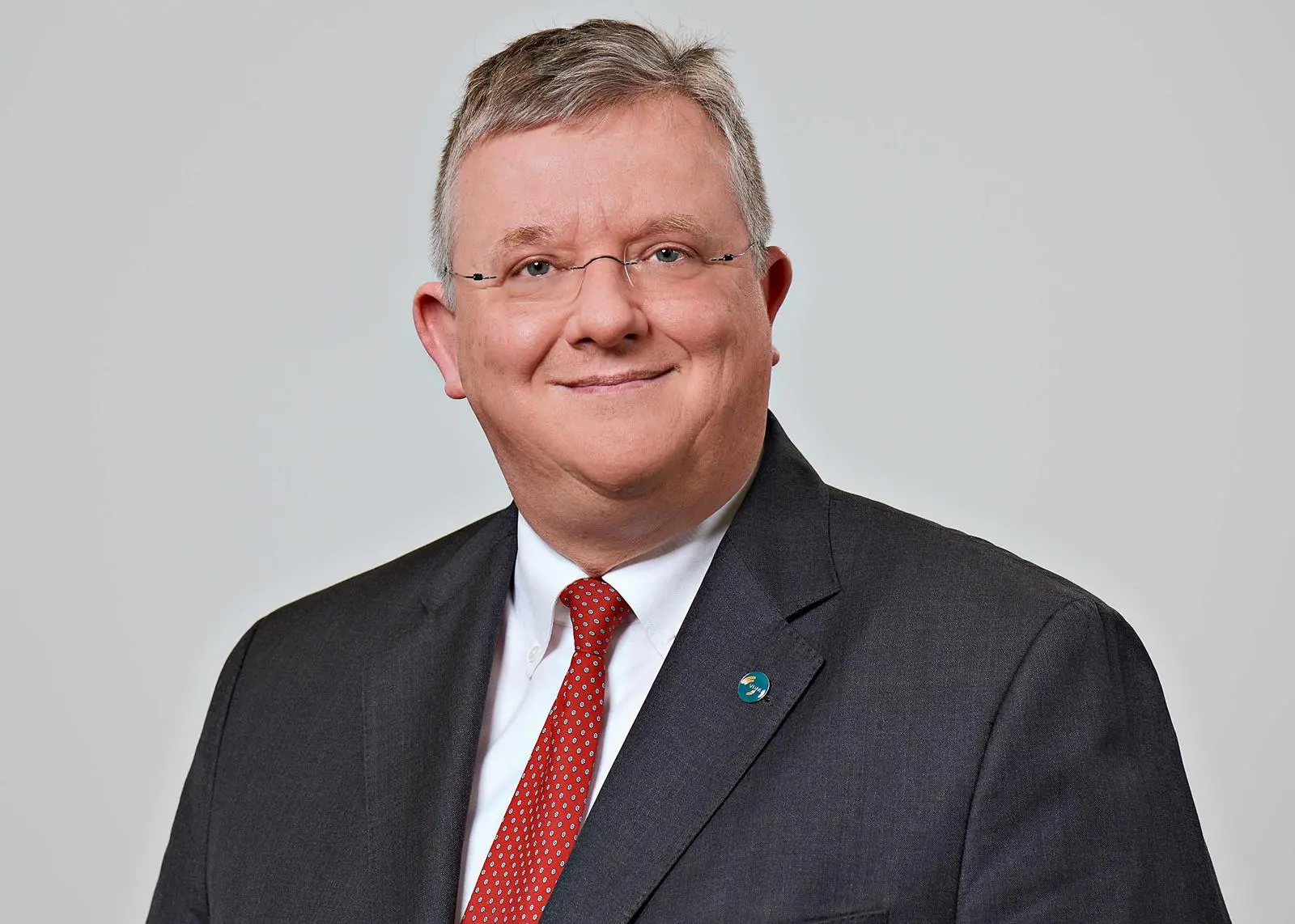
Although sales were 4.4% down in 2017 on the year before, the intake of new contracts increased by 2.7%, putting the industry on the path to business growth in 2018.
Alexander Nuernberg, chairman of the Marine Equipment and Systems working group within mechanical engineering industry association VDMA, said: “We welcome the growth in incoming orders, but we’re also greatly concerned about the increasing protectionist tendencies in many places in the world.”
The marine- and offshore-related membership consists of more than 240 companies, with 63,500 employees, and a 74% export rate. Completed sales volume in 2017 was €10.6bn (US$12.4bn), compared with €11.1bn (US$13bn) in 2016, but the upturn in new contracts signified the first increase in three years, indicating that the sector is “now over the worst”.
“Our companies are part of a global added value chain and we support our components and systems over a ship’s entire lifecycle, so customs barriers, entry restrictions and complicated export inspections are really bad news for the market, which is just recovering,” asserted Nuernberg.
“We’re used to ups and downs in our main export markets and respond to them as flexibly as we possibly can. But the increasing restrictions on free trade with the USA, India, China, Russia and also Turkey are now jeopardising jobs and prosperity in Germany and elsewhere,” he added.
Other European countries collectively make up the main export market for German equipment and system suppliers, accounting for a 35% share in 2017. This reflected not only buoyant orderbooks among leading shipbuilders, but also European companies’ contracts for larger systems and major equipment packages for delivery to yards worldwide. Some 30% of German exports were to Asia as a whole, although market shares were down in China and South Korea. Substantial growth was recorded in sales to North America, which accounted for 12% of exports.
Equipment and system makers perceive new opportunities arising from changes in market demand and from the maritime industries’ energy transition. As one example of evolution in the worldwide industry, China’s increasing involvement in higher added-value and more specialised vessel construction, including ferries and cruise ships for the local market, opens up more potential for German companies, as does the drive in European markets for low-emission shipping.
Besides electric drive systems and hybrid power arrangements, VDMA’s Marine Equipment and Systems group is supporting the further use of LNG in shipping and the project for the production and use of synthetically made fuels with the aid of so-called Power-to-X procedures.
The digital service offering is increasingly important and will become more of a competitive differentiator as time goes on. Service digitalisation, extending well beyond maintenance and repair, is bringing about new challenges and opportunities for the marine equipment sector. Recruitment is seen as a specially pressing matter in the context of the digital revolution.
The issue of trade disturbance rooted in protectionism and nationalism was raised by VDMA earlier this year. Speaking on behalf of the entire 3,200-company VDMA membership, the association’s executive director Thilo Brodtmann had commented that “International trade is not a poker game… All the sanctions and threats of sanctions will fail to meet their targets, in the US as well in China, Russia or Iran. They will not bring lasting growth and employment and will certainly not force peace into conflict regions.”
Rather, he suggested, “politics must return to the path of world trade under the direction of the World Trade Organization—and also adhere to these treaties”.
German marine equipment market, 2017
Employees: 63,500
Sales: €10.6bn (2016: €11.1bn)
Order intake vs 2016: +2.7%
Export/import sales: 74/26
Share of exports
Europe: 35%
Asia: 30%
North America: 12%
Source: VDMA
Related Articles
 OTHER EQUIPMENT
 LNG
LNG
 GENERAL NEWS