



Feasibility of hybrid power study published
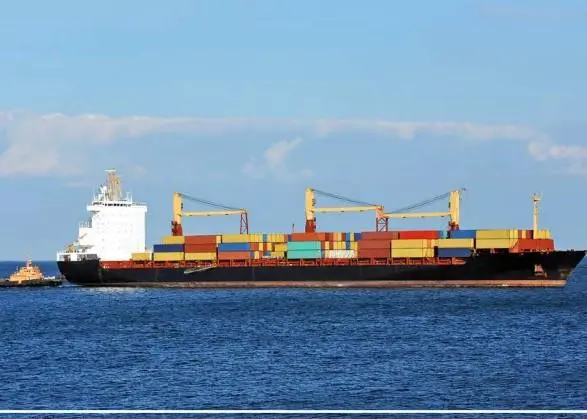
The HYCAS study is a collaboration between MAN Energy Solutions, Corvus Energy and DNV GL and examined using batteries on a 1,7000teu container feeder vessel to assess if it is possible to both reduce emissions and save operational costs.
“There were several factors that went into the selection of a container feeder vessel for the study,” said Hans Anton Tvete, DNV GL. “We were looking at where hybrid systems could offer significant efficiency gains, which pointed to operational states with fluctuating power demand.
“This typically occurs with large consumers such as cranes, pumps, ventilation fans, or manoeuvring equipment, especially in port. Container feeders, with their frequent port stays and increased time in port, are ripe for efficiency gains through the use of hybrid solutions.”
The study explored two main scenarios, a vessel built in 2020 with a 500kWh battery system replacing one genset used for peak shaving and as a spinning reserve, and a vessel built in 2030, using a much larger 11MWh hybrid system for zero emission port entry and exit.
Under the first scenario, with the hybrid power train resulting in an approximately 13% total cost for the vessel, payback times are as low as two to three years. However, the larger system increases the costs of the vessel significantly, meaning that only with a combination of lower prices for the battery system and higher fuel costs than today would the system be economically attractive.
“It is our hope that these study results will increase cargo shipowner confidence in seeking out new energy solutions,” said Sean Puchalski, Corvus Energy.
Related Articles
 ALTERNATIVE FUELS & LUBRICANTS
 GENERAL NEWS
 GENERAL NEWS