



IMO members discuss carbon intensity of cleaner fuels for shipping
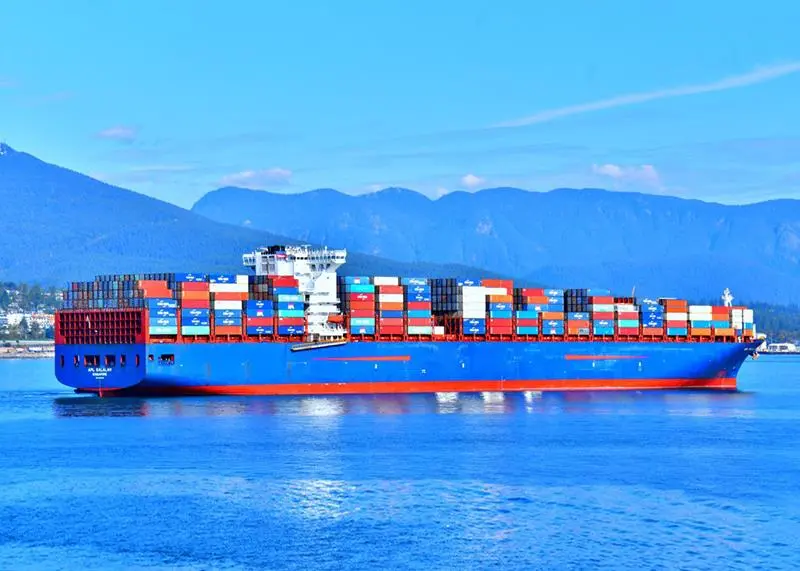
The IMO’s Initial GHG Strategy has committed the shipping industry to reduce the carbon intensity of international shipping by at least 40% by 2030. A significant further reduction in carbon intensity will be required to achieve the 2050 level of ambition, cutting GHG emissions by 50%, in line with IMO’s vision to ultimately phase out GHG emissions as soon as possible in this century.
Carbon intensity refers to CO2 emissions per transport work, and therefore links carbon emissions to the amount of cargo transported and the distance sailed for a specific ship.
Shipping will need to adopt new fuels to achieve the IMO’s ambitions.
The sessions provided a platform for all IMO Member States and organizations in consultative status with IMO to exchange views and share updated information on how to assess and potentially regulate the lifecycle of carbon emissions. The webinar-like discussion sessions, attended by more than 280 participants, contributed to increasing the understanding of the carbon lifecycle of various fuel options and how these might be considered in future.
A candidate measure in the IMO Initial GHG Strategy refers to developing “robust lifecycle GHG/carbon intensity guidelines for all types of fuels, in order to prepare for an implementation programme for effective uptake of alternative low-carbon and zero-carbon fuels”.
The lifecycle refers to the assessment of greenhouse gas emissions from the fuel production to the ship (Well-to-Wake); from primary production to carriage of the fuel in a ship’s tank (Well-to-Tank, also known as upstream emissions) and from the ship’s fuel tank to the exhaust (Tank-to-Propeller or Tank-to-Wake, also known as downstream emissions).
Candidate future low-carbon and zero-carbon fuels for shipping have diverse production pathways (for example, different generations of biofuels, hydrogen-based fuels, etc.) entailing significant differences in their overall environmental footprint.
IMO’s Marine Environment Protection Committee (MEPC 76), to meet remotely from 10-17 June is expected to consider the way forward for discussions on this matter. During the meeting, the MEPC is also expected to adopt the important short-term measure to cut the carbon intensity of all ships, as approved at the last session.
Related Articles
 METHANOL
 MONITORING, CONTROL & DIGITALISATION
 MONITORING, CONTROL & DIGITALISATION