



SCR RETROFIT HELPS CRUISE VESSEL COMPLY WITH TIER III RULES
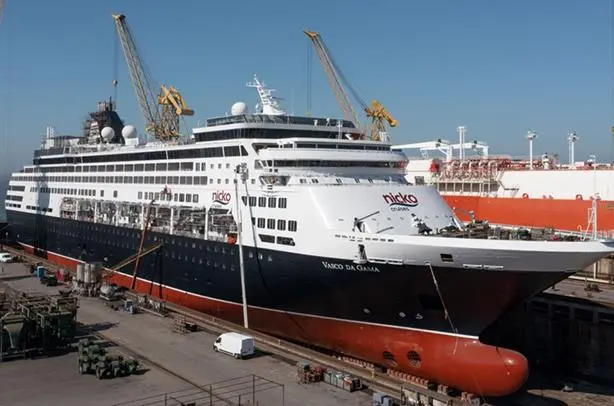
The loyalty of the vessel’s clientele influenced the decision to extend the operational life of the 1,000 passenger capacity vessel, while the shipowner wanted to ensure that the vessel could continue to operate in the most favoured destinations, such as Norway’s Heritage Fjords or the Baltic Sea.
The two regions have introduced stringent air pollution regulations, while the Mystic Ocean was mindful of the impact of upcoming air pollution regulations under MARPOL, such as the Tier III NOx emissions standards as well as EEXI and CII rules.
The viability study determined that Vasco da Gama could become compliant by retrofitting a number of improvements.
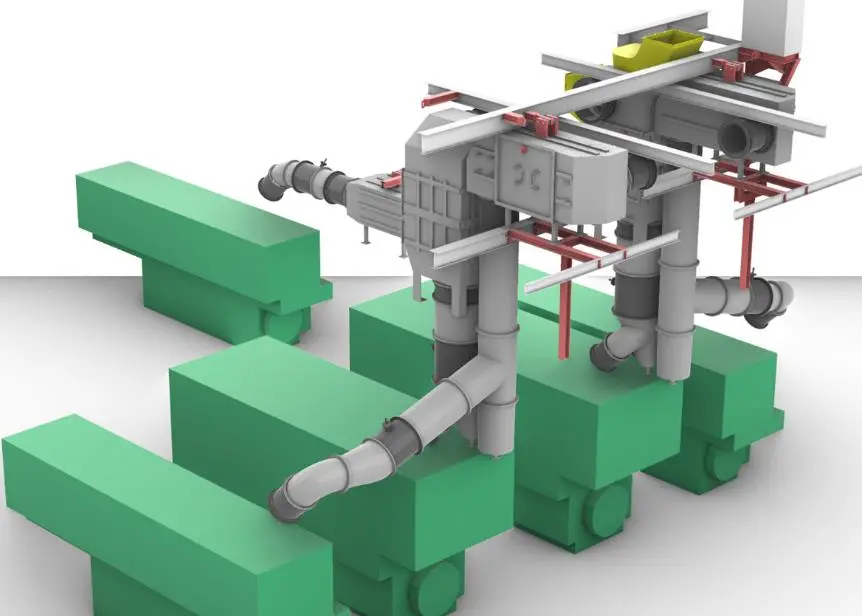
A significant part of the project was the retrofitting of a SCR (Selective Catalytic Reduction) system to the vessel’s Sulzer twin 12ZAV40S main engines, as well as the vessel’s three Sulzer 8ZAL40S auxiliary engines.
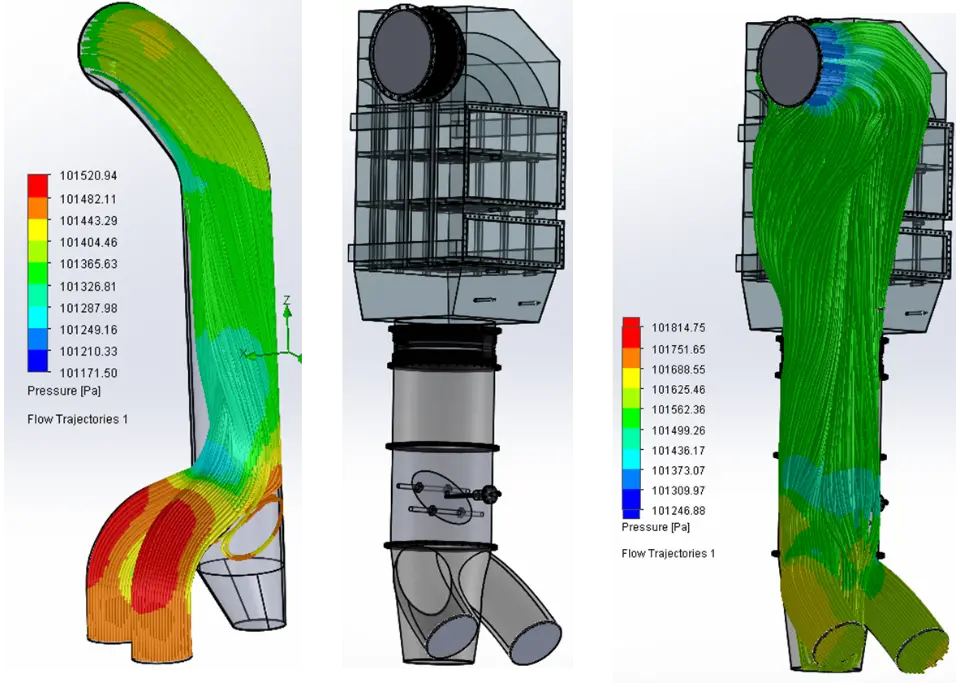
The SCR concept involved the design of SCR units for retrofit installation aboard the Vasco da Gama, helping to achieve extremely low NOx emissions, while keeping the exhaust gas pressure drop to a minimum.
TecnoVeritas confirms that up to 82% of the Vasco da Gama’s NOx emissions can be reduced, while SO2 emissions decreased by 81.5%. The retrofit of the SCR system also coincided with the overhaul of three engines, while two new turbochargers were installed for the main engines and the others were overhauled. As a result, the SCR installation, as well as the other investments, will lead to improved fuel efficiency, lowering fuel consumption (and CO2 emissions) by 6% annually.
The viability study suggests that the payback time for the project was less than 12 months.
Automatic control of SCR
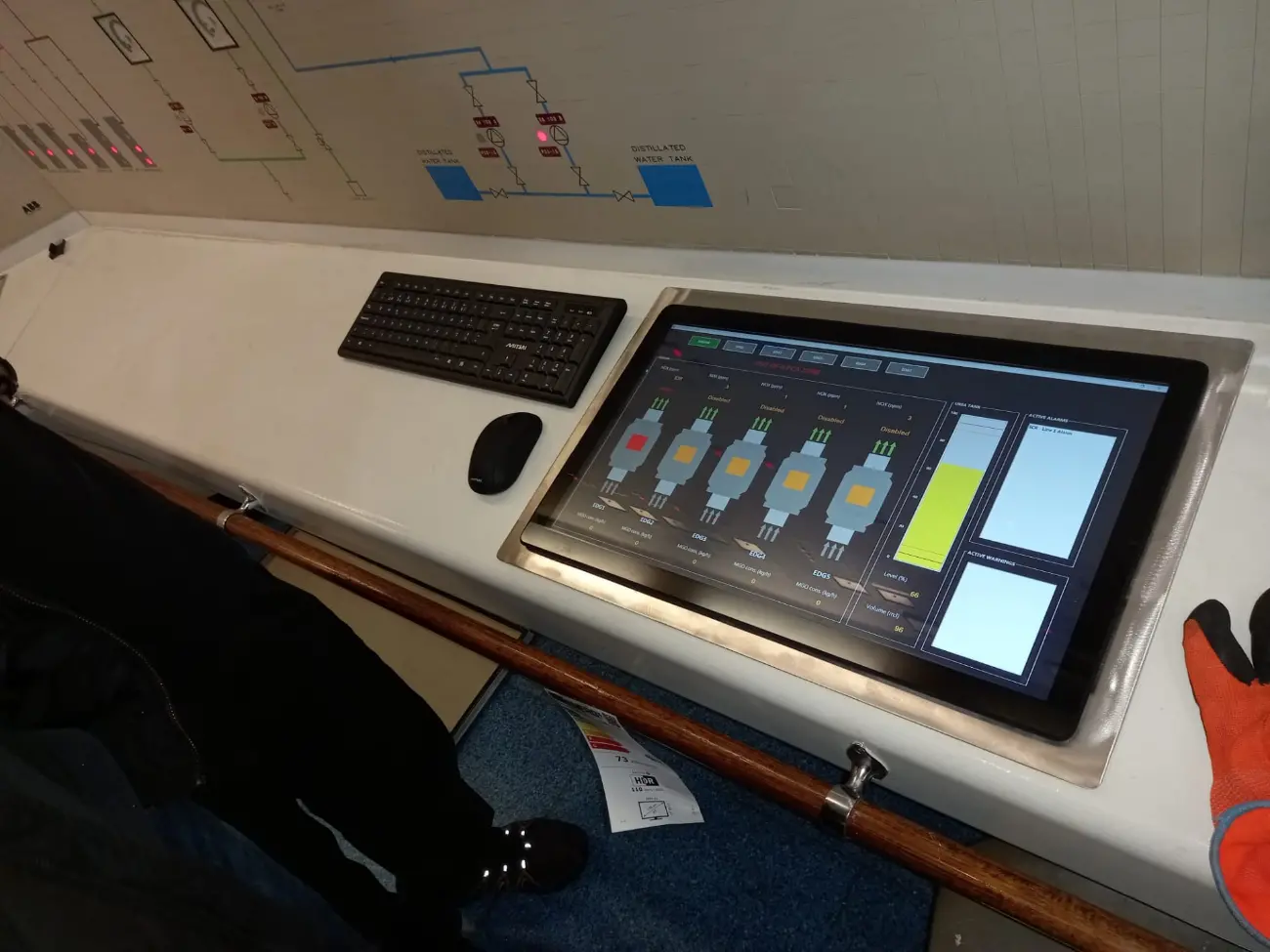
The SCR system will be automatically optimised during operation using SCR control algorithms, using a feedback control loop to dynamically and optimally adjust the reactors’ operations, based on data from the inlet air temperature and engine load, as well as the fuel quality.
The SCR system control algorithms will also automatically optimise the individual urea consumption of the units. This innovative feature will minimise the consumption of urea, and ensure compliance with potential future ammonia slip regulations.
Project execution
The retrofit was undertaken at the beginning of 2021. The project was initiated in January 2021 when the vessel arrived at Lisnave Shipyards in Setubal, Portugal for drydocking. The engine room was laser scanned and access studies were initiated while calculations based on the engines’ exhaust gas flowrates were conducted in parallel. Once the five independent housings spaces were identified, their housings for the new catalysts were defined, their construction started, and engine room cutting initiated.
Stability calculations for the 5 housings (each of 5 tonnes), and DB urea bunker tank, were also run in parallel, along with other project activities such as the installation of new bunkering stations, and digitalisation system for performance monitoring using the TecnoVeritas own cloud-based software BOEM.
The SCR retrofit project was completed on 22 June, when the vessel returned to water, before undertaking a 6 day voyage from Setubal to Amsterdam for sea trials.
The systems and the project were surveyed and approved by LR, which oversaw the retrofit project. The emissions were tested independently by ECOxy from Norway, on behalf of the Norwegian Maritime Authority (NMA). ECOxy performed the measurements during the sea trials.
By the end of the project, Vasco da Gama was compliant with Tier III emissions standards. The retrofit also involved the application of low friction hull coatings. The vessel was also awarded a new notation from LR, EGCS (SCR).
To EIAPP or not to EIAPP
The Vasco da Gama conversion project also had wider relevance. While ECOxy confirmed that the vessel had achieved Tier III compliance for the NMA, no EIAPP certificate was issued. The issue of issuing EIAPP certification has been responsible for the dismantling of many vessels, TecnoVeritas’ ceo Dr. Jorge Antunes maintains.
“This project has clearly shown that it is possible for older engines to comply with NOx emission standards. In my opinion, there is no doubt that EIAPP certificates should also be awarded to vessels equipped with exhaust gas cleaning systems, such as M/V Vasco da Gama,” said Dr. Antunes.
Meanwhile the shipping industry is beginning to look at the environmental benefits of engine conversions and upgrades as a way of extending vessels’ operational life. The project also represents a good example of a Circular Economy approach being applied to the shipping industry.
“This project demonstrates that another life for pre-2000 vessels around the world is possible,” added Dr. Antunes.
By extending the operational life, the unnecessary demolition of a well-built cruise vessel like Vasco da Gama was avoided, with all the scrapping-related emissions that entails, including downstream steel scrap processing emissions. The waste of other materials during scrapping was also avoided, while the greenhouse gas emissions produced during the construction of a replacement newbuilding were also delayed.
A consortium formed by TecnoVeritas and Lisnave Shipyards is now offering similar turnkey solutions, including the vessel digitalisation and energy optimisation, to other shipowners interested in extending the operational life of existing vessels. TecnoVeritas anticipates that the solution will attract particular interest from cruise vessel operators who need to comply with Tier III emission regulations.
Related Articles
 EMISSIONS REDUCTION TECHNOLOGY
 ALTERNATIVE FUELS & LUBRICANTS
 ALTERNATIVE FUELS & LUBRICANTS