



Hyundai Heavy Industries Partners with ABS on autonomous ship technology
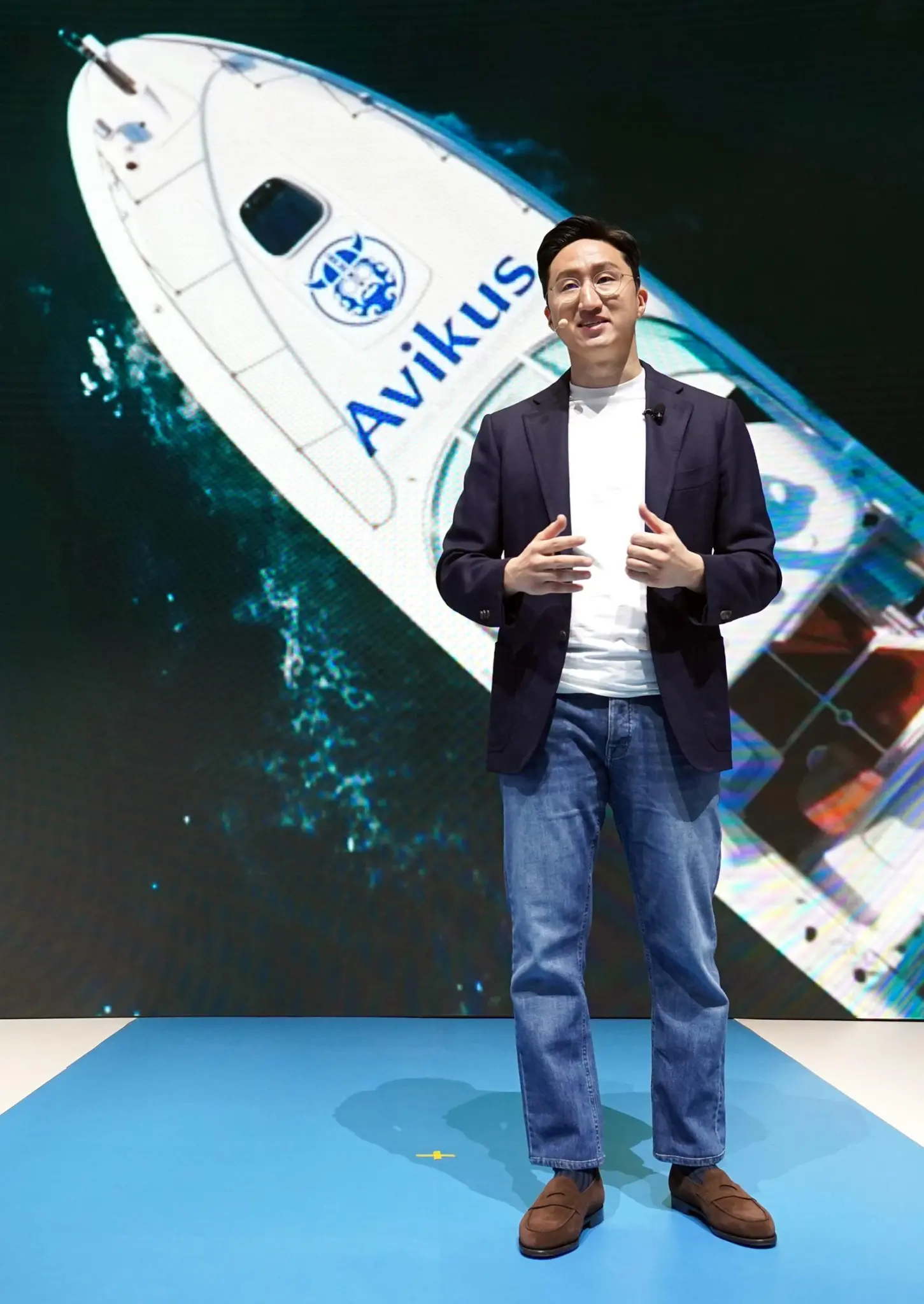
The partners will initially conduct demonstration tests for various solutions including Hyundai Intelligent Navigation Assistant System (HiNAS), Hyundai Intelligence Berthing Assistance System (HiBAS), and Hyundai Intelligent Navigation Assistant System 2.0 (HiNAS2.0), in compliance with the ABS Guide for Autonomous and Remote Control Functions published in July 2021.
ABS will review the designs, regulate testing procedures and verify the implementation for each stage of testing. Lessons learnt from the collaboration will contribute to the development of standards and regulations for autonomous technology and operations.
After successful demonstration of fully autonomous cruising in June 2021, Avikus and ABS are planning a transoceanic voyage for a large-scale commercial vessel.
Avikus introduced a leisure boat equipped with the full autonomous navigation technology at CES 2022 and presented its vision for autonomous vessel technology based on virtual reality technology.
At the event, HHI Group also introduced its plans for intelligent robotics. Hyundai Doosan Infracore and Hyundai Construction Equipment are planning to commercialize smart construction robots and related platform services by 2025 with the goal of realising unmanned construction sites. Hyundai Robotics is also planning to launch service robots for various fields including food and beverage, and quarantine.
HHI Group signed a memorandum of understanding with Palantir Technologies, a global leader in big data analytics, on 4 January 2022 to build a big data platform for its core businesses such as shipbuilding and offshore engineering.
According to Acute Market Reports, a global market research firm, the autonomous vessel and related material and equipment markets are expected to grow by 12.6% annually and reach USD 235.7 billion by 2028.
Related Articles
 ALTERNATIVE FUELS & LUBRICANTS
 GENERAL NEWS
 GENERAL NEWS