



ClassNK enhances 3D ship design with NAPA linkage
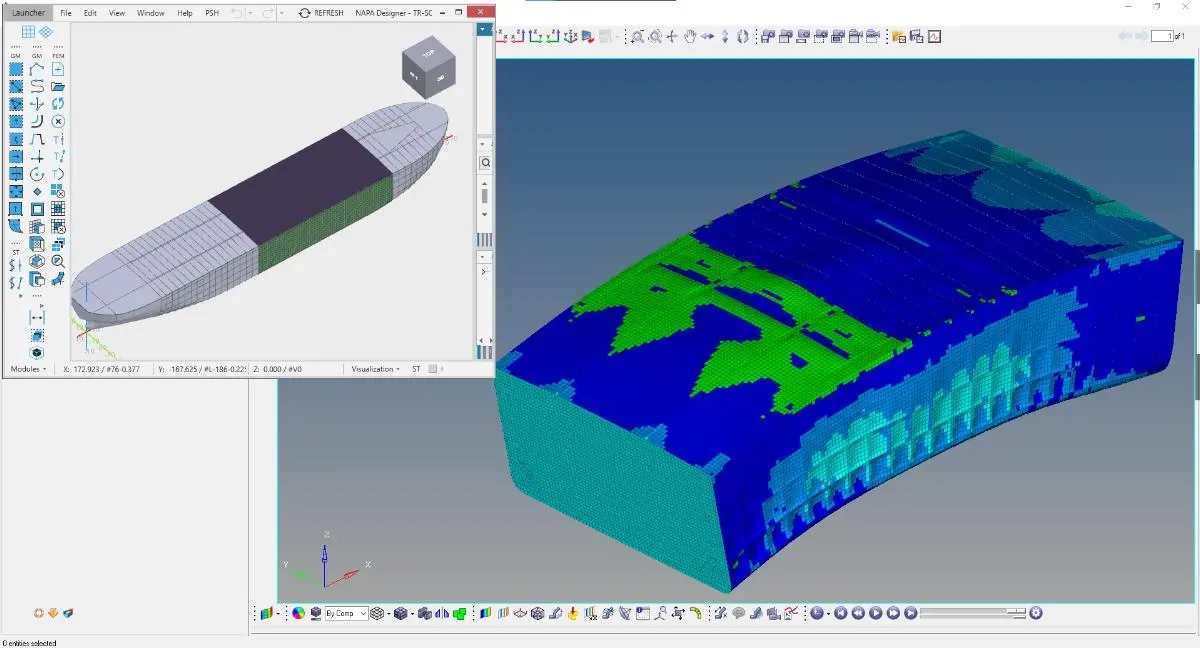
This latest upgrade of ClassNK’s design support software, PrimeShip-HULL, enables users to carry out prescriptive calculations and direct strength calculations on NAPA Designer seamlessly by utilizing NAPA’s application programming interface to the full extent. In addition, dimension amendments following the calculations can be directly reflected in the 3D models of NAPA Designer.
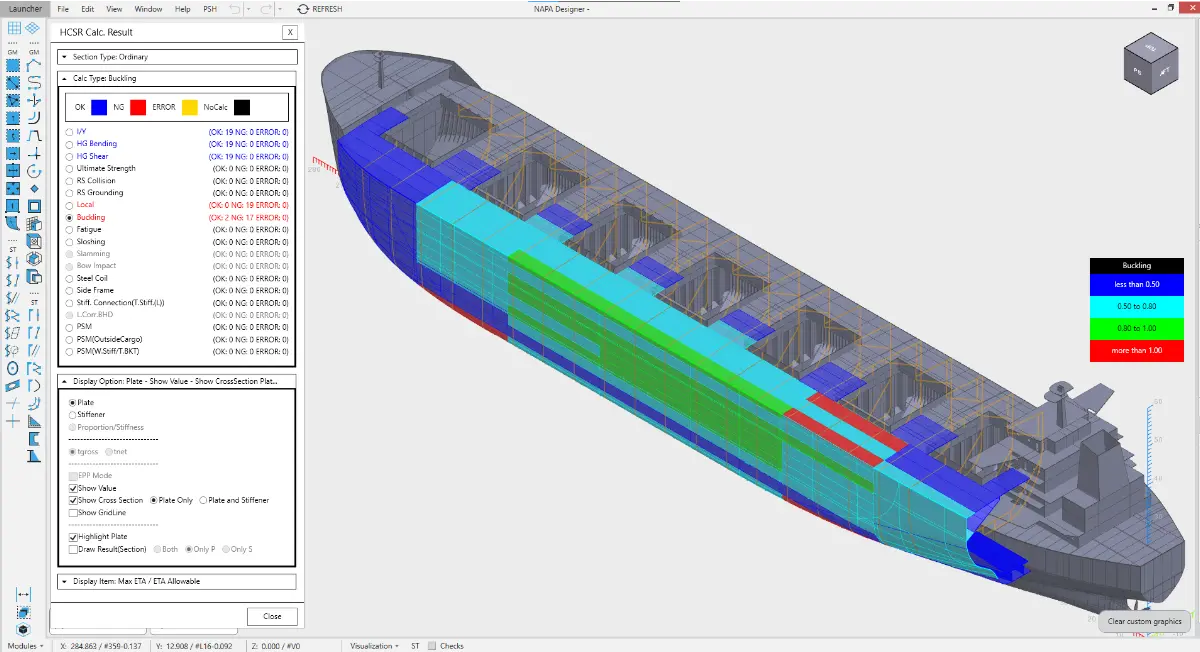
As a result, the person-hours required for data linkage have been reduced by more than 30% compared to the conventional method, relying on intermediate files, while also improving the accuracy of linkage.
The new function is currently available for bulk carriers and oil tankers applying CSR BC & OT harmonized requirements. The scope will be expanded to more ship types and structures in the future.
As 3D CAD software’s capability improves, the shipbuilding industry has recently been accelerating a transformation of the design process using 3D technology. ClassNK has accordingly enhanced the data linkage system between PrimeShip-HULL and 3D design systems to streamline the design process. Furthermore, the society has collaborated with industry players on a study to facilitate the ship design process, including a plan approval using 3D models.
Tapio Hulkkonen, NAPA Design Solutions Director, Product Management, said: “The use of 3D models throughout the design process of a ship, including for the class approval process, is an integral part of the future of naval architecture. At NAPA, we are proud to drive this vital transition forward, by developing solutions that enable all stakeholders to collaborate on the same 3D model, instead of wasting time and resources on multiple conversions to 2D drawings. This makes the design process more efficient, saving time and money, and reduces the risk of errors. At a time when ship designers and engineers need to innovate rapidly to create more efficient vessels, and continue to raise safety standards, this couldn’t be more important.”
Related Articles
 ALTERNATIVE FUELS & LUBRICANTS
 GENERAL NEWS
 GENERAL NEWS