



New in-line generator
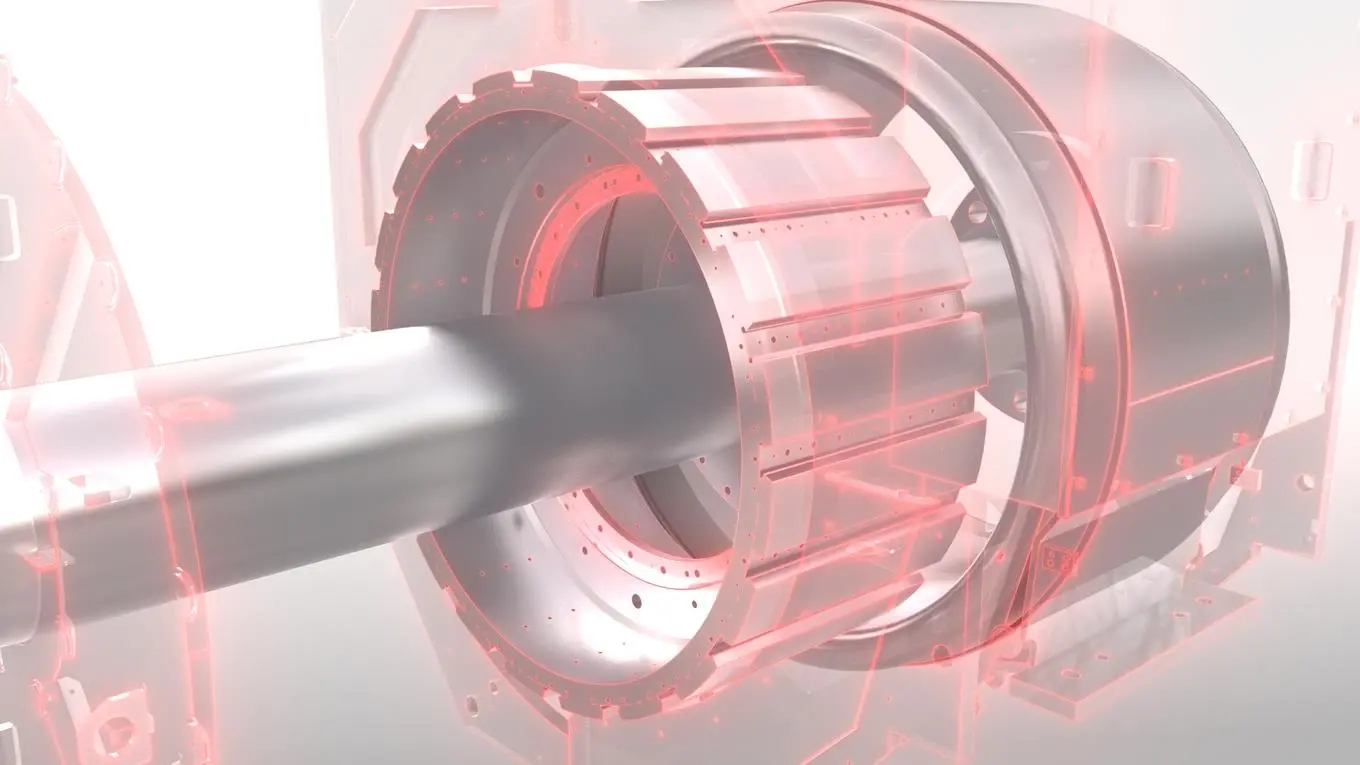
The AMZ 1400 permanent magnet shaft generator is optimised for converter control and is said to enable better efficiency than either induction or electrically excited synchronous machines at both full and partial loading. This helps to cut fuel costs by up to 4% percent, offering a payback period of two to four years and reducing CO2 emissions by a reported several tonnes for each day at sea.
Around 20% smaller and 30% lighter than a conventional synchronous or induction type shaft generator, the intermediate propulsion shaft is mounted to the generator and then lifted into the vessel for the alignment, making for easier installation.
“ABB permanent magnet technology has proved to be inherently reliable over three decades in large motors and generators, especially in offshore wind turbines and propulsion applications,” said Juha-Pekka Kivioja, ABB global product manager, Large Motors and Generators.
“Its potential to increase energy efficiency makes the permanent magnet shaft generator an important method for reducing emissions for larger vessels.”
There are three possible modes of operation for the shaft generator in conjunction with the main propulsion engine. In Power Take Out mode it supplies the main power for the vessel’s electrical network. This optimises the use of the large engine, while reducing the need to run auxiliary generators, saving on fuel costs and lowerin g emissions.
In Power Take In mode the shaft generator acts as a synchronous motor for an additional power boost for propulsion. It can also provide Power Take Home for emergency propulsion should the main engine fail.
The permanent magnet shaft generator and drive combination can also power thruster motors, enable shore to ship connections and connect other DC power sources or DC power consumers.
Under its first order, ABB will supply the permanent magnet shaft generators for a fleet of twelve 210,000 dwt dual-fuel bulk carriers owned by Bermuda-based Himalaya Shipping.
Related Articles
 PROPULSION
 GENERAL NEWS
 GENERAL NEWS