



Report: many ships not suitable for new fuel conversion
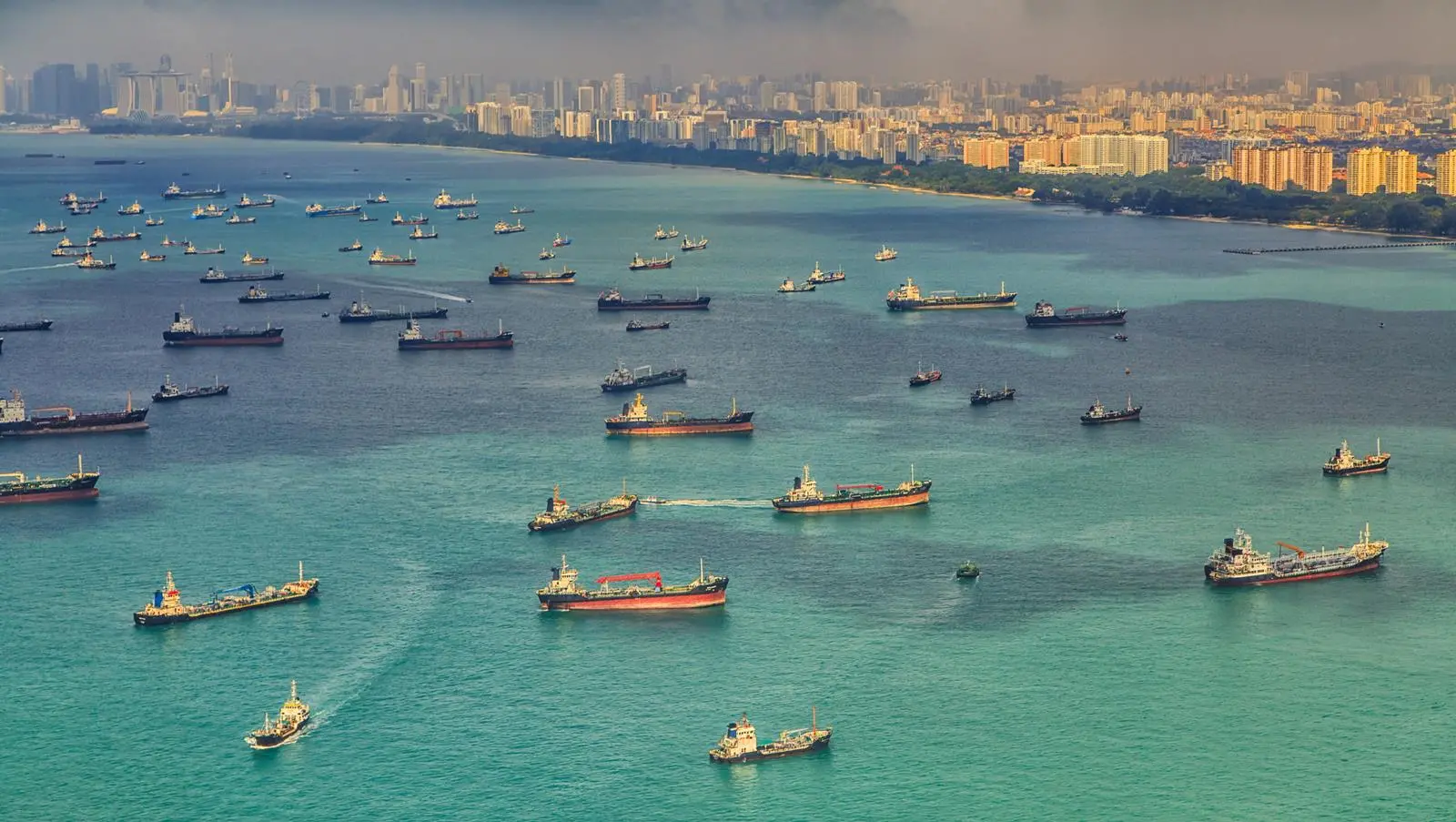
The study, assessed the commercial and technical viability of measures to cut emissions in the three ship sectors over the next three to five years. It was undertaken by the Maritime Oslofjord Alliance and funded by Oslo Maritime Foundation and Oslo Shipowners’ Association, in association with report author and editor Svein Helge Guldteig of Ocean Consulting AS.
According to the study, the three segments of vessels above 5,000 tonnes deadweight account for about 80% of the GHG from the world fleet of around 94,000 vessels. Some 19,000 vessels of more than 25,000 gross registered tons, or 21% of the global fleet, consume 65% of all fuel used in shipping.
The study states that only around 15% (2,700) tankers, bulkers and containerships, are outfitted with electronically controlled main engines that make them viable for conversion to alternative fuels, which could cut emissions by 100 million tonnes annually.
Aside from a limited scope for retrofits, the report highlights drawbacks with fuel conversions related to cost, regulatory compliance, energy density and fuel tank space requirement that can negatively affect commercial operations.
A complete conversion on an existing vessel to alternative fuels is in the range of $18-20 million, and such an outlay has to be shared across the shipping value chain to compensate owners for front-loaded costs to incentivise investment in retrofits, according to the report. The relatively high cost of alternative fuels would also necessitate a carbon tax level of 200% to make such a fuel installation economically viable.
Therefore, most existing ships will have to find other ways to reduce emissions based on tangible technical and operational measures.
Fuel efficiency tweaks
The report highlights slowing ship speed as the most powerful way to cut emissions, citing an estimated reduction of 50% in fuel consumption and emissions by reducing speed from 15 to 12 knots. A 10% reduction in speed for a typical merchant ship is estimated to cut emissions by 27%. Another operational measure to reduce emissions is using drop-in biofuels or e-fuels into the existing fuel.
There are also technical steps that can deliver significant fuel efficiency gains including modification and optimisation of hull and propulsion equipment, as well as retuning the engine for lower loads at reduced speed.
Report author Svein Helge Guldteig says: “In recent years slow steaming has been applied in many shipping segments, and reduction of emissions of existing ships beyond the current level will require even lower speed and/or other technical and operational measures applied in the future.”
He adds: “Digitalisation can now play an important role in supporting operational measures and realising potential savings from fuel optimisation that were not possible only a few years back.”
Future fuel readiness
Scarce availability of alternative fuels and most likely limited shipyard capacity will limit the readiness to adapt quickly for the large vessel segment, while there is also a lack of global shipyard capacity for the volume of conversions required over the next few years. A long-term dilemma is whether there is worldwide shipbuilding capacity available to renew the entire shipping fleet within the time limit set by regulators.
Heavy investments will be needed to scale up global supply infrastructure for green and blue fuels, which is not expected to be in place until 2035-40 at the earliest, and existing LNG bunkering vessels can only supply around 5% of the world fleet. Therefore, existing fleet using conventional fuel will still have to contribute significantly to reducing GHG emissions in the short and long term.
Investment risk
Guldteig states: “Investing in newbuilds with technology based on scarce alternative fuels carries a huge commercial and technological risk, even with multi-fuel engines now becoming available, and there should be an increased focus on building new ships designed for lower fuel consumption in line with Carbon Intensity Indicator (CII) demands.”
Securing competent crews for handling new technology and bunkering systems could also be challenging. Such skillsets will be in demand and will take time to develop.
“There is no silver bullet that can solve the decarbonisation issue in shipping – neither for new nor existing ships,” Guldteig says, adding that development of green corridors will be a first important step towards decarbonisation of shipping in the future.
The report is available here.
Related Articles
 ALTERNATIVE FUELS & LUBRICANTS
 GENERAL NEWS
 GENERAL NEWS