



MPA: Glencore continued to sell contaminated bunker
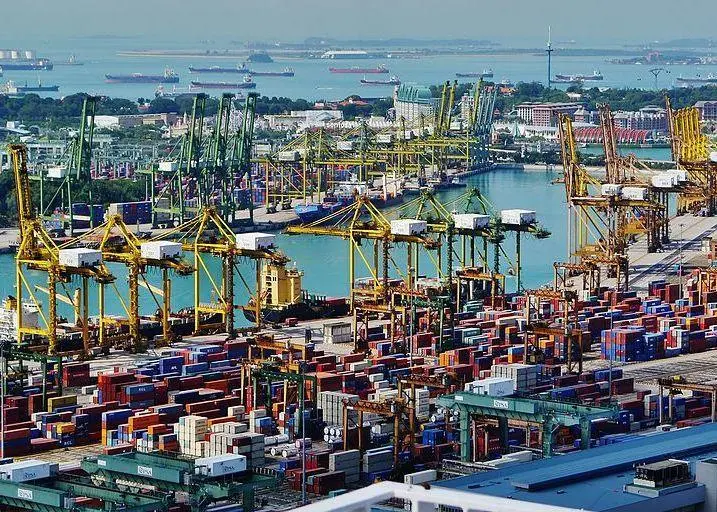
Fuel supplied to a number of ships had contained high concentration levels of Chlorinated Organic Compounds (COC) (1,2-Dichloroethane, Tetrachloroethylene). The source of the affected HSFO fuel, supplied by Glencore Singapore and PetroChina International (Singapore), was traced to fuel loaded on a tanker at the Port of Khor Fakkan, United Arab Emirates. Forensic fingerprinting analysis of the fuel samples taken from the tanker showed a match with samples taken from several affected ships that had taken HSFO from both Glencore and PetroChina.
MPA established that both Glencore and PetroChina, as MPA-licensed bunker suppliers, had carried out tests on the fuel supplied to ships prior to their sale based on the international standards of petroleum products of fuel – International Organization for Standardization 8217 (ISO 8217).
Between 21 and 23 March 2022, the fuel oil testing laboratory engaged by Glencore reported that samples taken from the parcels of fuel oil Glencore purchased contained concentrations of COCs that ranged from approximately 2,000 ppm to 15,000 ppm. COCs are not commonly present in bunker fuel, especially at such elevated levels.
Despite this, Glencore continued to supply bunkers blended with the fuel to 24 vessels in the Port of Singapore from 22 March 2022 to 1 April 2022. At least three reported issues with their fuel pumps and engines. By doing so, Glencore contravened the terms and conditions of its bunkering licence in failing to ensure that no bunkers supplied by it were contaminated.
MPA has decided to suspend Glencore’s licence for two months from 18 August 2022. MPA has also asked Glencore to improve its internal procedures to ensure that prompt action is taken in future when it becomes aware of, or reasonably suspects, any irregularity in fuel quality.
MPA’s investigation revealed that PetroChina had stopped delivery of the contaminated fuel promptly by 19 March 2022 once it received its own test results that the fuel it supplied was contaminated with COC. MPA therefore decided not to take any action against PetroChina.
MPA’s quality fuel assurance measures comprise the Bunker Quality Inspection System (BQIS) and the Intensified Bunker Quality Checks (IBQC). The BQIS tests the quality of bunkers supplied to vessels while the IBQC tests bunkers carried by bunker tankers before supply to vessels. On average, over 1,300 bunker samples are tested annually under the BQIS and IBQC to verify compliance with ISO 8217. While the occurrence of COC is rare in bunkers, MPA has now included COC to be tested under both BQIS and IBQC.
MPA and the Singapore Shipping Association (SSA) will co-chair an industry expert group to establish a list of chemicals to be tested and their corresponding concentration limits. The expert group is expected to make its recommendations on additional measures to strengthen quality assurance of bunkers delivered in Singapore.
MPA, in consultation with Standards Development Organisation, will also continue to share relevant information with the ISO, as part of the ISO’s ongoing review of the ISO 8217 standards
Related Articles
 CONVENTIONAL FUELS & OILS
 ALTERNATIVE FUELS & LUBRICANTS
 AMMONIA