



QatarEnergy signals beginning of second round of LNG orders
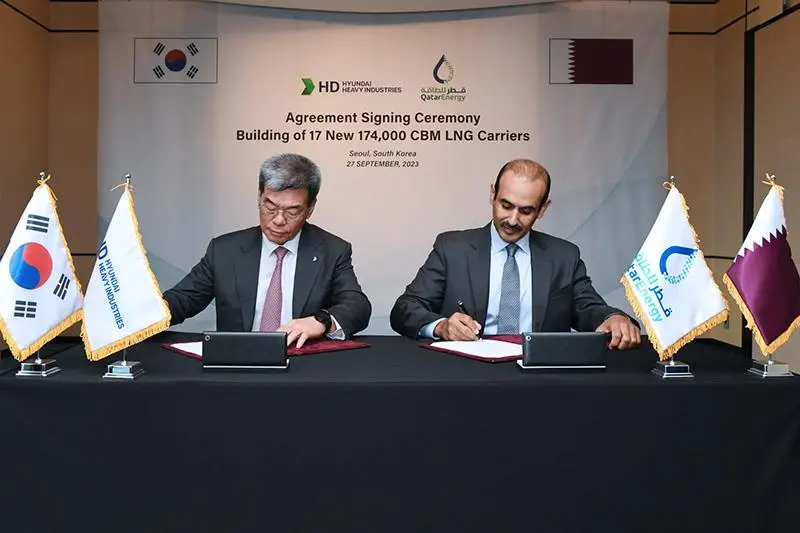
The Qatari riyal 14.2 billion (US$3.9bn) order forms part of its historic shipbuilding programme to meet future LNG carrier requirements, and lifts its overall LNG carrier orderbook to 77. QatarEnergy’s LNG carrier fleet programme has been the largest in the history of the LNG industry, with the first round extending to 60 vessels, distributed between a number of Chinese and Korean shipyards.
In addition to helping QatarEnergy meet the additional requirements arising its North Field LNG expansion projects in Qatar as well as its share of output from the Golden Pass LNG export project in Sabine Pass, Texas, the tonnage would also help QatarEnergy to meet its long-term fleet replacement requirements.
The order is expected to represent the beginning of a second round of LNG carrier orders, although the extent of QatarEnergy’s requirements remains unclear, following the cancellation of its joint marketing agreement with ExxonMobil, Ocean LNG, in 2022.
The Motorship notes that QatarEnergy’s North Field expansion projects are expected to boost the country’s LNG production capacity to 126 million tonnes each year by 2027 from 77 million tonnes. Meanwhile, production from the Golden Pass project in Texas is expected to come on stream in 2024: QatarEnergy will market 70% of the export volumes from the Texan project itself.
Ceremony
The signature of the order in Seoul, Korea by Mr. Saad Sherida Al-Kaabi, the Qatari Minister of State for Energy Affairs and Mr. Ka Sam-hyun, the Vice Chairman & CEO of HD Korea Shipbuilding & Offshore Engineering (KSOE), was commemorated at a ceremony attended by the President & CEO of QatarEnergy, senior executives from QatarEnergy, QatarEnergy LNG and HD Hyundai.
Minister Al-Kaabi noted that the newbuildings represented a milestone in Qatar’s long-term relationship with HD Hyundai Heavy Industries and the Korean shipbuilding industry. “The vessels will be built by HD Hyundai Heavy Industries to the highest technical and environmental standards and specifications. Further, the vessels are designed to achieve optimal fuel efficiency and significant reduction in carbon emissions.”
Related Articles
 ALTERNATIVE FUELS & LUBRICANTS
 GENERAL NEWS
 GENERAL NEWS