



The digital transformation of bulk carrier handling
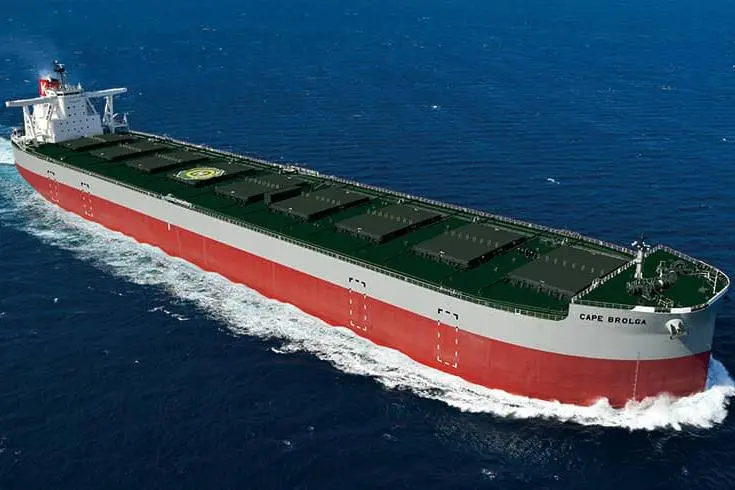
The CHRONUS system uses technology developed by Cinnamon Inc (Cinnamon AI) speeds up the laborious process of cargo handling. It calculates the demurrage and dispatch fee and it automatically prepares laytime statements.
Usually in dry bulk carrier services, cargo owners and shipping companies set a time limitation at a port for loading and unloading, called laytime. Every time a trip is completed, the actual duration of vessel staying at the port and the demurrage and dispatch fees actually incurred are settled.
A laytime statement is prepared after calculating the net cargo handling time in accordance with contractual agreements set with shipping agencies at individual ports.
But reports vary depending on the port or the cargo owner. This means that it is necessary to manually enter a chronological record of the cargo handling work into a spreadsheet to calculate laytime.
Efficient cargo handling
K Line’s CHRONUS system reads the data from different cargo handling operations in time sequence from arrival of the ship, through the start and end of the operations to the departure of the ship.
It also calculates the demurrage and dispatch charges automatically in accordance with the pre-imported conditions of the cargo transport contract and creates a laytime statement.
Although creating laytime statements is an indispensable part of bulk carrier operations, the time and labour required for the process varies depending on how much practical experience the individual personnel involved had and there were often calculation errors during the preparation of the statements.
K Line’s dry bulk team is looking to standardise its workflows including the flow for the preparation of laytime statements to ensure they are not affected by the individual experience of the personnel involved and streamline the work processes to enhance its services for customers.
Digital transformation is part of K Line’s business strategy in its medium-term management plan announced in May 2022. It aims to use digitalisation to improve safety, emissions and quality of operations in a bid to boost its competitiveness.
Related Articles
 OTHER EQUIPMENT
 LNG
LNG
 GENERAL NEWS