



Offshore owner achieves near 10% fuel efficiency gains
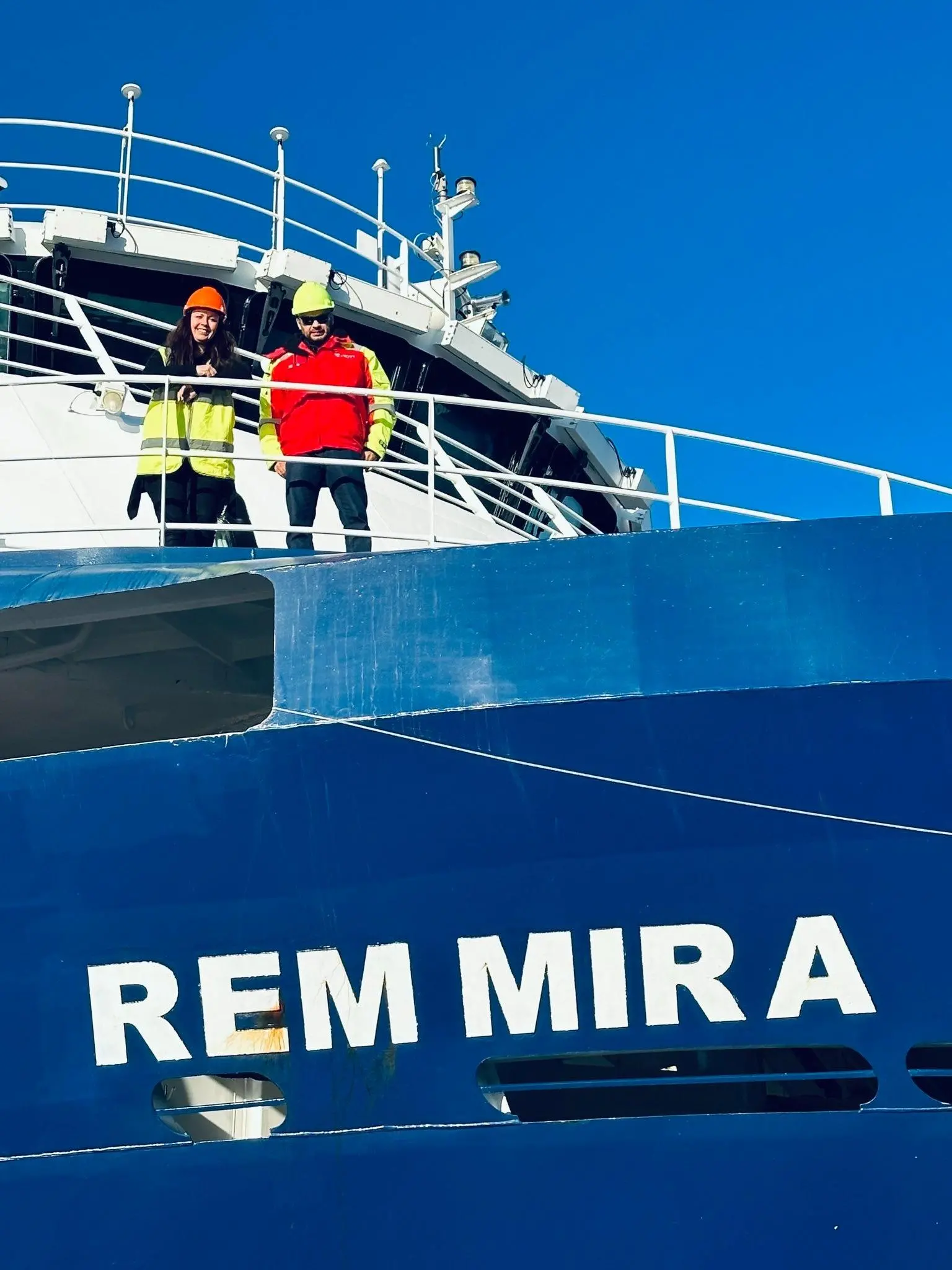
The objective of the REM Offshore campaign was to reduce vessel emissions levels in key modes of operation, such as dynamic positioning (DP), standby, port and transit eco. To do this, a specific part of the project was built around identifying and overcoming technical and operational barriers. In three of the four modes of operation double-digit savings was achieved during the campaign period. Some vessels even saw savings >20% in certain operational modes. The detailed analytics and measurement of savings was done by leveraging the high-quality fuel and operational data REM is collecting through the VPS Maress data-driven decarbonisation solution.
REM HSEQ Manager Iliyan Aleksandrov commented: “REM has committed to optimising the energy consumption of our operations and being an active player in the ongoing transition to a more sustainable maritime industry. We achieved our ISO 50001 certification this year, and amongst other initiatives, we were excited to extend our working relationship with VPS Decarbonisation on this campaign. Crew dedication, strong focus on energy efficiency and consumption optimisation, combined with VPS´ decarb advisory service and Maress software were the key factors in achieving the amazing results”.
One example of a challenge that is a cause for excessive fuel burn was when vessels are in transit and receive speed demands from charterers that might not align with fuel-efficient speeds. The challenge for the crew is to then strike the right balance between vessel speed, fuel efficiency, prevailing weather conditions, and safety.
By using available data and insight around this to engage in close discussions with the charterers it is possible to fine-tune speed based on vessel capabilities and conditions. Closer, data-driven interaction between vessel owner and charterer is often a win-win situation, where the end-result is more efficient vessel operations. In the campaign, REM was also able to use the data collected in Maress to calculate the economic speed of each vessel and pairing this with sailing forecast data led to improved voyage planning and speed management.
“What gets measured gets managed”, says Emilian Buksak, Senior Decarb Advisor with VPS. He worked closely with the crew and onshore organisation during the planning and execution of the campaign. “It was a pleasure to see the whole REM organisation start utilising available data and analytics in new ways. We started seeing patterns and improvement areas that would have been difficult to uncover without high quality data collection and analytics such as provided by the Maress software solution. However, finding the answers is one thing, but there would be no savings if it wasn´t for the focus and eagerness of the crews to really take it to the next level”, Emilian continues.
Once a new efficiency level and fleet baseline has been demonstrated in a campaign such as this, it is key to avoid falling back into old patterns. A few ingredients that improve the chances of sustained results are; a continued focus from the organisation and a company culture built around celebrating best practices – in combination with a solid system for showing data-driven insights.
Related Articles
 CONVENTIONAL FUELS & OILS
 ALTERNATIVE FUELS & LUBRICANTS
 AMMONIA