



Urgent action needed on emissions targets
According to DNV’s Energy Transition Outlook, fossil fuel emissions will peak in 2024 and halve by 2050. However, this progress still falls short of the Paris Agreement goals, with forecasts predicting a 2.2°C rise in global temperatures by century’s end.
This pivotal change is largely attributed to the dramatic decline in costs for solar energy and batteries, which are driving the phase-out of coal and limiting oil consumption.
“Solar PV and batteries are driving the energy transition, growing even faster than we previously forecasted,” said Remi Eriksen, group president and chief executive of DNV. “But we must now focus on how quickly emissions decline and use the available tools to accelerate the energy transition.”
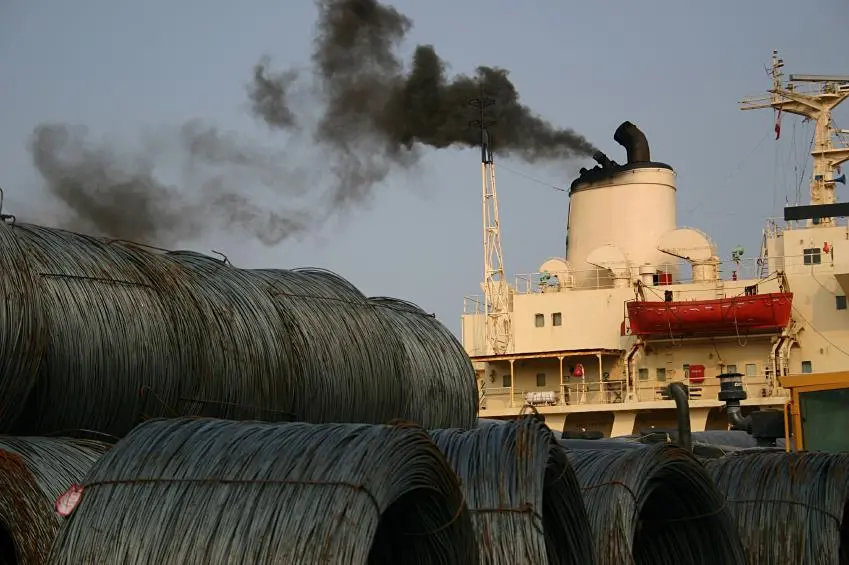
Despite these advancements, hard-to-abate sectors such as shipping are lagging. DNV has revised its long-term forecasts for hydrogen down by 20%, while carbon capture and storage is expected to capture only 6% of global emissions by 2050. A global carbon price could help accelerate the adoption of these crucial technologies.
While the energy mix is shifting toward an equal split between fossil and non-fossil fuels by 2050, the transition remains fraught with challenges, particularly in sectors that are difficult to electrify.
“There is a compelling green dividend on offer which should give policymakers the courage to not only double down on renewable technologies, but to tackle the expensive and difficult hard-to-electrify sectors with firm resolve,” said Eriksen.
Related Articles
 ALTERNATIVE FUELS & LUBRICANTS
 GENERAL NEWS
 GENERAL NEWS