



Barnacle biofouling threatens net-zero
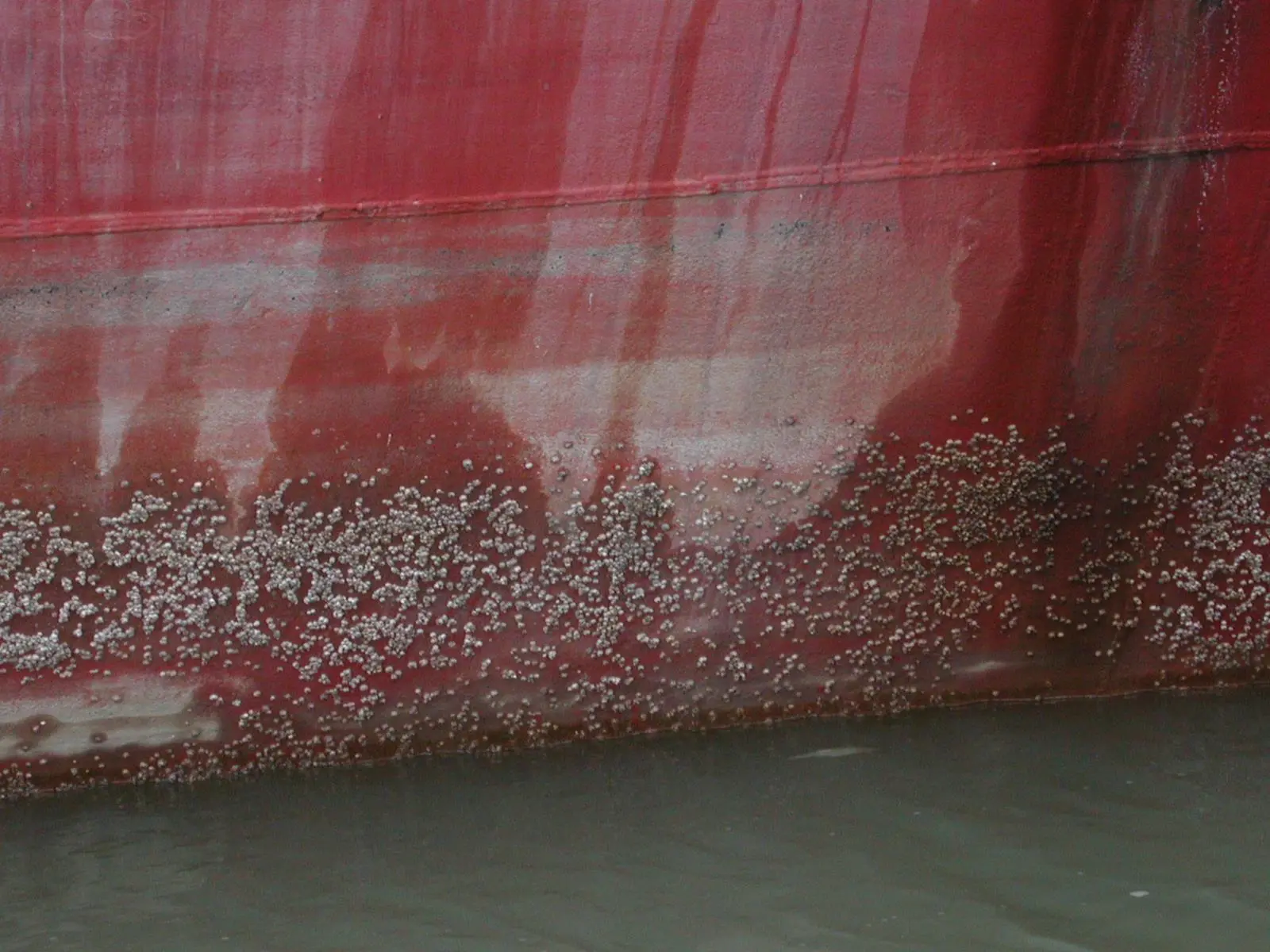
Published by I-Tech, developers of the antifouling technology Selektope, the ‘How much could barnacles limit shipping’s decarbonisation?’ study analysed hull conditions on 685 vessels across a range of ship types and operational profiles between 2015 and 2025.
Findings show that over one-third of vessels had more than 10% of their hull surface covered in barnacles upon entering dry dock, while over 20% had barnacle fouling exceeding 20%. Only 140 ships were found in optimal condition, with less than 0.1% coverage.
“The findings that more than one fifth of vessels in this study had more than 20% barnacle biofouling is concerning,” said Dr Markus Hoffmann, technical director at I-Tech.
“This reinforces the fact that antifouling coating systems with good static performance, boosted by the presence of biocides that target hard fouling, even under extended static conditions, are an absolute necessity if barnacle fouling is to be reduced to much lower levels on a global fleet scale.”
Tankers were the worst affected, with nearly 90% showing signs of barnacle biofouling. The research warns that this level of biofouling can result in significant added resistance, with 36% more shaft power required to maintain the same speed through water. This reduced efficiency could lead to over 110 million tonnes of excess carbon emissions annually and an added US$15 billion in fuel costs.
I-Tech recommends careful selection of antifouling coatings, especially for vessels with long idle periods, to mitigate the environmental and financial costs of hard biofouling.
Related Articles
 EMISSIONS REDUCTION TECHNOLOGY
 EMISSIONS REDUCTION TECHNOLOGY
 EMISSIONS REDUCTION TECHNOLOGY