



Steerprop breaks the ice with its TKMS contract
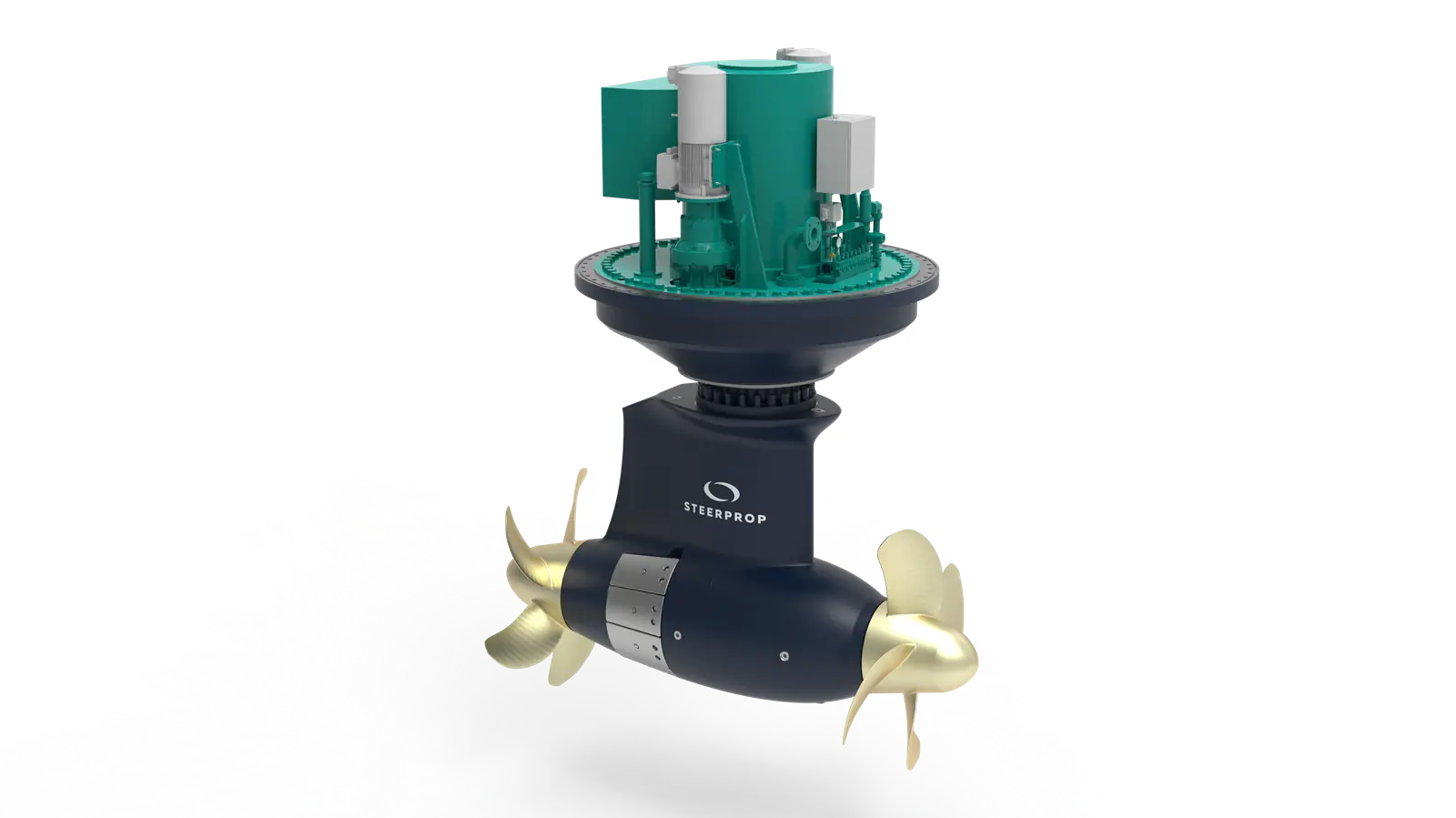
The latest contract covers two Steerprop SP 40 TT ARC tunnel thrusters, meaning the company will now supply the complete, fully integrated propulsion thruster package for the vessel.
The new order follows Steerprop’s earlier contract to deliver two SP 160 Pull azimuth thrusters together with the hydrodynamic design of the shaftline integration. As a result, the new Polarstern will become the first Polar Class 2 (PC2) icebreaker to have its main propulsion, tunnel thrusters and hydrodynamic integration awarded to a single supplier, an approach intended to maximise performance, reliability and efficiency in extreme ice conditions.
According to TKMS, Steerprop’s integrated propulsion concept and proven capability to meet demanding ice-class and underwater noise requirements were decisive factors in the selection. The propulsion system is a critical element of the vessel’s ability to operate independently for long periods in heavy ice, while maintaining precise manoeuvrability and station-keeping during scientific operations.
Polarstern is being built for the Alfred Wegener Institute, Helmholtz Centre for Polar and Marine Research (AWI), and is intended to serve as a cornerstone of German polar research for decades to come. The extended scope of supply reflects the close cooperation developed between Steerprop, TKMS and AWI during the design phase, particularly in aligning propulsion performance with the vessel’s operational profile in both Arctic and Antarctic waters.
The SP 40 TT ARC tunnel thrusters are designed specifically for ice-going vessels and heavy ice operation. Their gridless design is intended to reduce ice interaction and minimise the risk of damage, while ensuring high thrust and responsiveness in difficult conditions. Working in combination with the main azimuthing units, the thrusters will support the vessel’s ability to break ice, manoeuvre in narrow leads and maintain position during research activities in drifting pack ice.
Emphasis has been placed on meeting the stringent ICES 209 underwater radiated noise requirements, which are among the most demanding ever applied to a polar research vessel. Minimising noise is essential for scientific measurements and for reducing disturbance to sensitive polar ecosystems. In addition to propeller design, Steerprop has focused on optimising tunnel geometry and structural integration to avoid cavitation, while flexible mountings are used to prevent vibration transmission to the hull.
The delivery also includes a complete bridge propulsion control system and tunnel extensions, ensuring seamless integration with the vessel’s overall hydrodynamic design. Equipment deliveries are scheduled for 2027.
Designed for self-sufficient operation during long scientific expeditions in some of the harshest environments on the planet, the new Polarstern will be capable of reaching the High Arctic, including the North Pole, as well as operating extensively in Antarctic waters. With an overall length of around 160 m, a beam of 27 m, a draught of nearly 11 m and a gross tonnage of approximately 26,300, it will rank among the largest and most capable research icebreakers ever built, with propulsion and manoeuvring systems engineered to meet the extreme demands of year-round polar operations.
Steerprop has a rich history of providing ice-classed propulsion systems. in 2023 the company won a contract for providing bow thrusters to the Canadian Coast Guard’s Polar Icebreaker and last year provided two Steerprop 14 CRP LM units rated at 750 kW and built to Ice Class 1A standards to Lloyd Werft Bremerhaven for another German research vessel.
Related Articles
 PROPULSION
 GENERAL NEWS
 GENERAL NEWS