



Automation deal aims to cut pollution risk from ship discharges
Under the agreement, Viam’s digital platform will be used to automate the capture and recording of environmental compliance data from Rivertrace’s oil-in-water monitors. These systems are used across the marine, offshore and industrial sectors to ensure that overboard discharges remain within internationally mandated limits designed to protect the marine environment.
Oil-in-water concentration, flow rates and positional data have traditionally been logged manually, a process that can introduce errors and inconsistencies. Inaccurate or incomplete records present a risk to operators, potentially leading to detentions, port delays and enforcement action, while also undermining environmental safeguards. By enabling real-time digital recording directly from monitoring equipment, the new solution is intended to improve data integrity, strengthen compliance assurance and support cleaner seas.
Current international rules generally require oil content in discharged water to remain below 15 parts per million, with further tightening of standards under discussion as part of wider efforts to protect marine ecosystems. Automating compliance monitoring is seen as an important step in helping operators meet these requirements consistently without adding to operational workload.
The joint solution has also been recognised by the UK Intellectual Property Office, which published a patent application entitled Marine Data Recording Apparatus and Method in October 2025. The filing reflects the technical advance represented by the integration of automated data capture, geolocation and compliance reporting, and its role in modernising environmental monitoring practices on board ships.
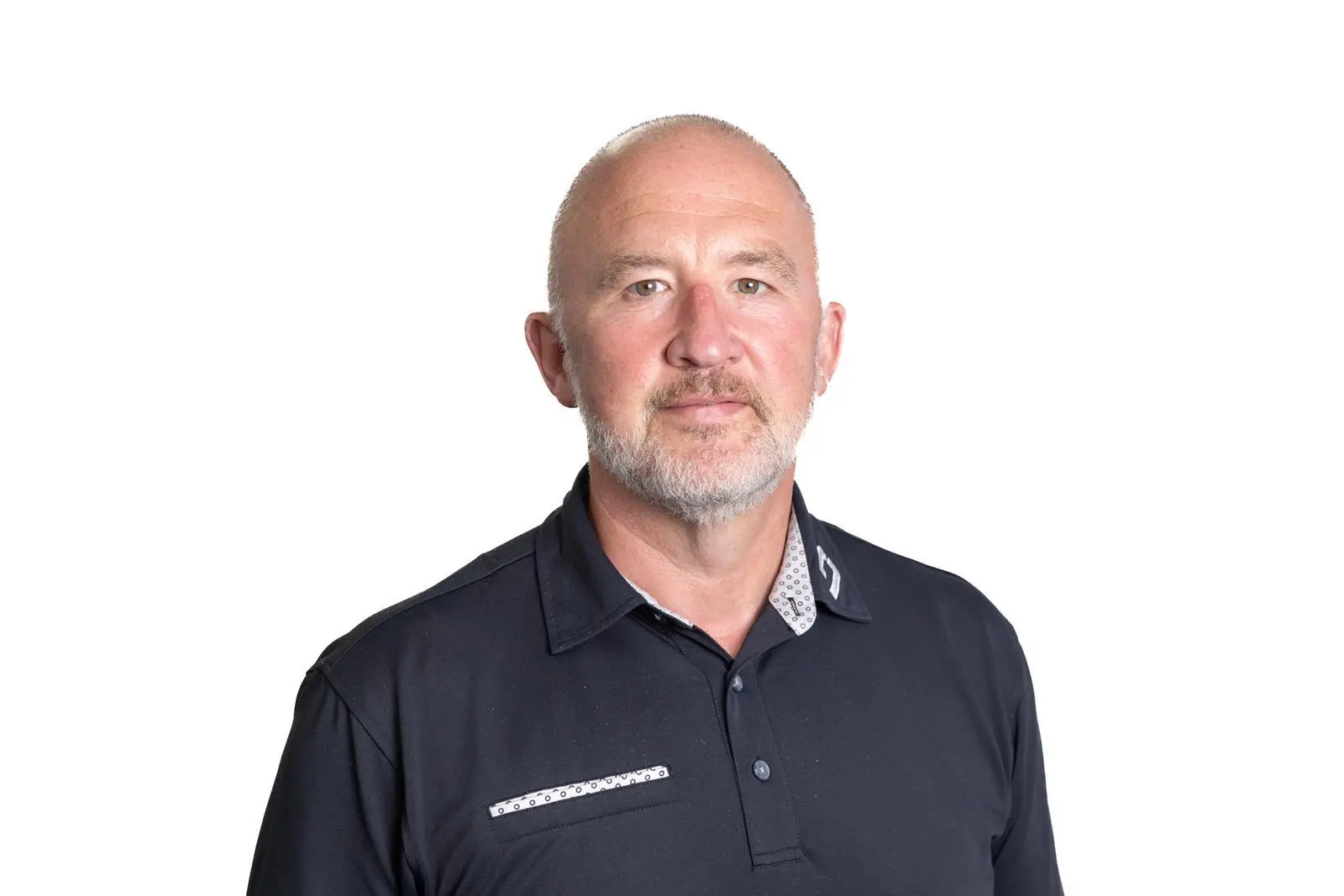
Rivertrace managing director Martin Saunders (pictured) said the partnership would provide a long-term digital pathway for operators seeking greater confidence in their compliance systems, particularly as environmental expectations continue to rise. He noted that automating previously manual processes offers both operational and environmental benefits, helping customers demonstrate compliance while reducing the risk of accidental pollution.
Viam’s work in the marine sector focuses on integrating data, automation and artificial intelligence into existing shipboard and port systems. Alongside commercial applications, the company is also involved in several ocean conservation initiatives, including projects aimed at restoring marine habitats and reducing the risk of vessel strikes on marine mammals, reflecting a broader emphasis on environmental protection through technology.
Related Articles
 EMISSIONS REDUCTION TECHNOLOGY
 EMISSIONS REDUCTION TECHNOLOGY
 EMISSIONS REDUCTION TECHNOLOGY