



Efficiency gains fail to cut emissions
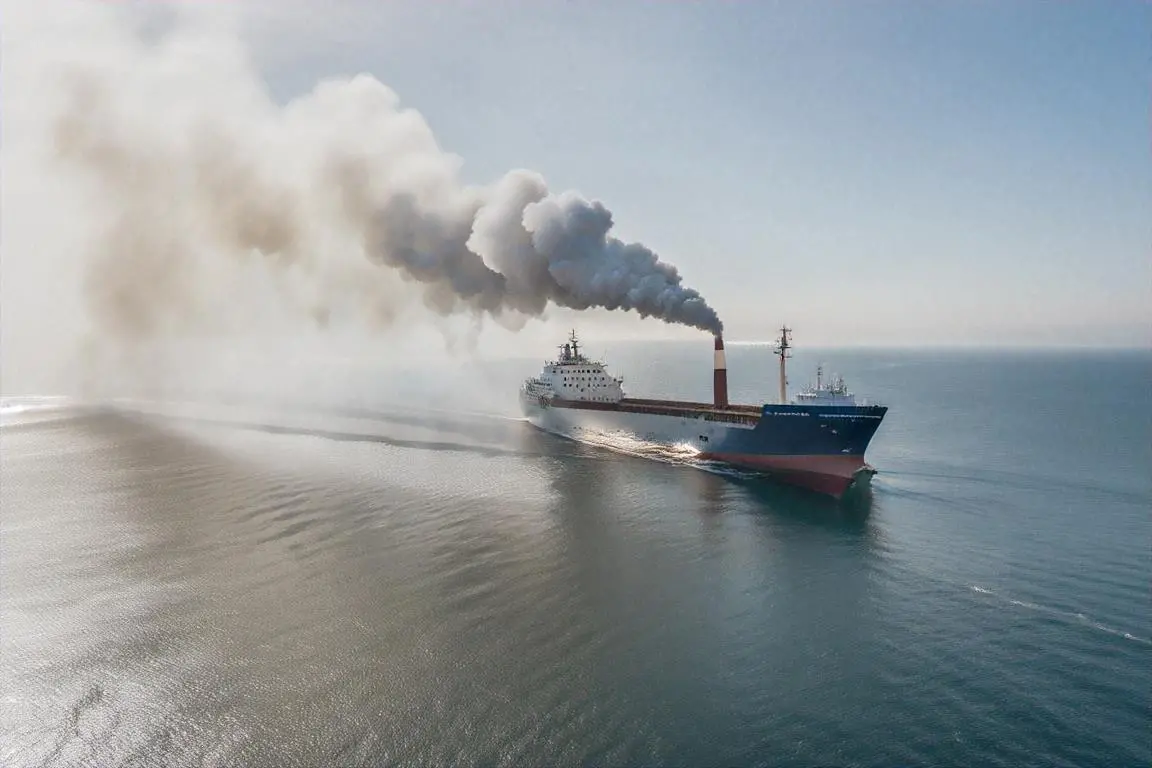
That is the key finding of VesselBot’s latest quarterly analysis, Decoding Maritime Emissions Q4 2025: Efficiency Peaks as Intensity Hits Yearly Low.
According to the report, average well-to-wake emissions intensity fell to 188.9 g CO2e per teu-km during Q4, the lowest level recorded across the year. Despite this improvement, total emissions for the quarter exceeded 52 million tonnes of CO2e, reflecting continued growth in cargo volumes and the decisive influence of network design and deployment choices.
“Ocean networks are constantly reshaped by schedule changes, vessel swaps, blank sailings, port disruptions and geopolitics,” said Constantine Komodromos, chief executive and founder of VesselBot.
“Sustainability has to become an operational KPI, evaluated at the moment of planning and execution, alongside reliability and cost. And we should be honest about offsets and book and claim fuels.
“They may help close a gap in the short term, but they do not force the system to change. Real progress comes when shippers and carriers change how freight is moved, not just how emissions are accounted for.”
The analysis draws on shipment-level emissions data from 79,438 containership voyages completed in Q4 2025, offering a granular comparison of routes, fleets and operators. One of the clearest findings is the wide divergence in carbon performance among carriers operating on identical trade lanes. On major Asia–Europe routes, emissions profiles varied significantly depending on vessel size, fleet age and port time.
READ MORE: Maritime emissions fall in Q2 2025 despite fleet growth
Fleet age emerged as a key structural driver. Voyages performed by vessels younger than 15 years achieved intensities as low as 164.8 g CO2e per teu-km, while older ships, often deployed on shorter regional routes, produced substantially higher emissions per container.
The report also challenges the idea that speed reduction alone delivers meaningful decarbonisation. The most efficient voyages combined longer steaming distances with high utilisation and large cargo volumes, achieving emissions intensities nearly five times lower than quarterly averages.
Across the full year 2025, VesselBot tracked 313,690 containership voyages operated by more than 5,800 vessels, generating total emissions of 208.8 million tonnes of CO2e.
Related Articles
 EMISSIONS REDUCTION TECHNOLOGY
 EMISSIONS REDUCTION TECHNOLOGY
 EMISSIONS REDUCTION TECHNOLOGY