EXCLUSIVE: Explosive risks for routine maintenance
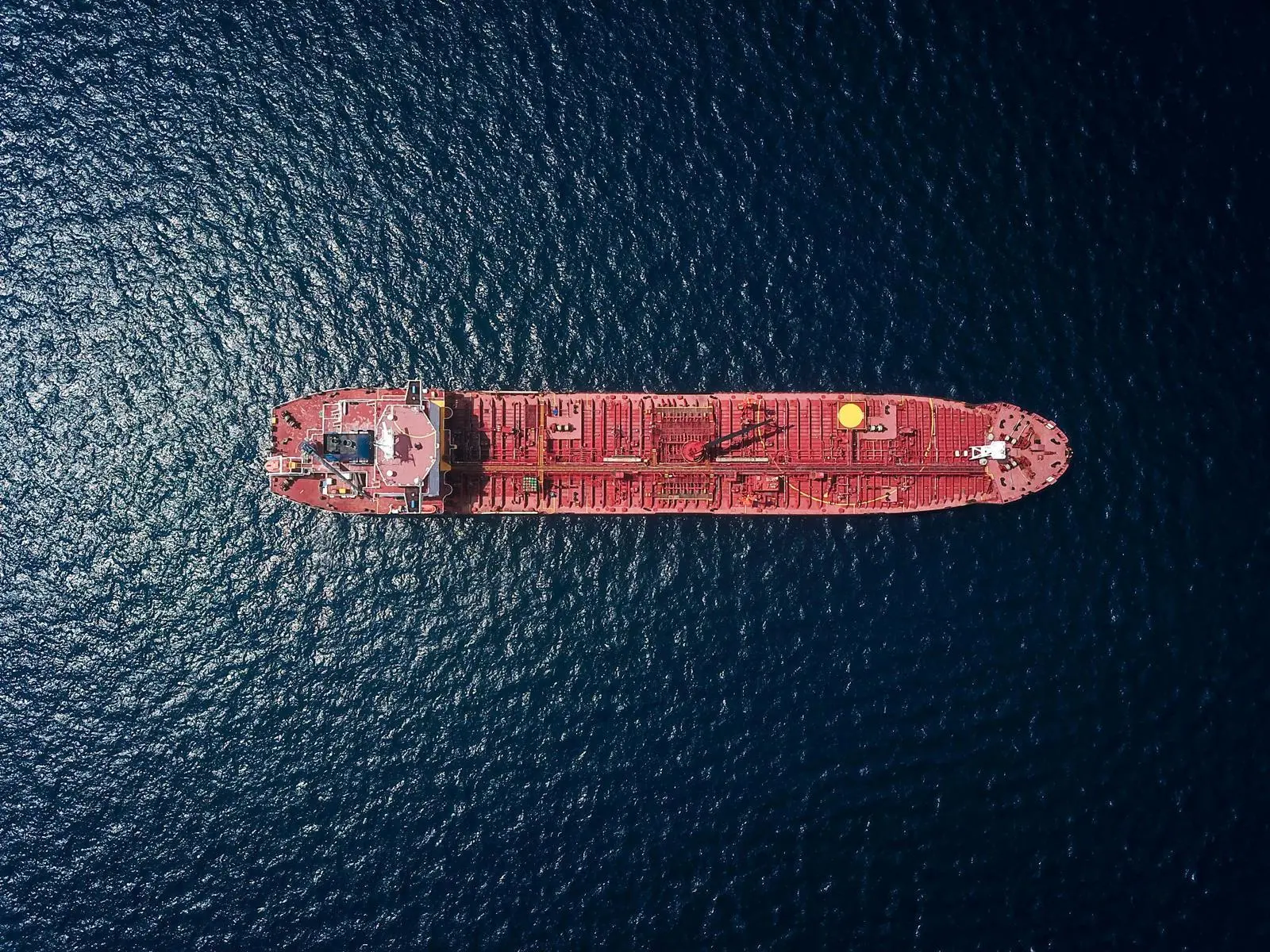
However, technical experience across global marine pump systems reveals a persistent and dangerous trend: the belief that compliance is a one-time event settled at the shipyard.
To understand the risk, one must first understand ATEX (an abbreviation for Atmosphères Explosibles). Derived from EU Directive 2014/34/EU, ATEX is the regulatory framework governing equipment used in potentially explosive environments – such as tankers, barges, or bunkering units handling hydrocarbons.
It mandates that every component must be designed, manufactured, and maintained to prevent ignition from electrical sparks, mechanical heat, or static discharge. In a hazardous zone where flammable vapours are present, ATEX is the thin line standing between standard operations and potentially catastrophic explosions.
While ATEX is an EU Directive, its application in the UK has been clarified following Brexit. In Great Britain, equipment intended for use in potentially explosive atmospheres is now subject to the UKCA “Ex” conformity regime (often referred to as UKEX), which is based on the same essential safety principles as ATEX but operates under UK product safety legislation.
From January 2025, products placed on the Great Britain market that fall within scope of hazardous-area regulations are required to hold UKCA Ex approval, rather than ATEX certification. In Northern Ireland, ATEX remains the direct legal standard under the Windsor Framework.
This distinction does not change the operator’s responsibility. Whether equipment is certified under ATEX or UKCA Ex, it must be installed, maintained, repaired, and documented in accordance with its original certified design in order to remain compliant and insurable.
What these regulations ask for, then, is a lifecycle commitment, not just a sticker on a machine. For many vessel operators, the first time they realise that routine maintenance has invalidated their compliance is during a rigorous port inspection, a denied insurance claim, or, far worse, following a serious incident.
The regulatory pressure is mounting; under the ADN 2023 agreement, ATEX-certified equipment in hazardous areas will become mandatory for all EU inland waterway vessels by 2034. This has significant retroactive implications for tonnage built before 2019. Many older ships currently lack the traceable documentation or certified equipment needed to meet this mandate. Taking action now through early audits and advisory planning is the only way to ensure availability and continuity as enforcement tightens.
A common but dangerous fallacy in the industry is the mindset that if something works, it remains compliant. In fact, a cargo pump or ballast system can move fluid perfectly while its safety integrity is completely compromised. The moment an operator uses a non-genuine spare part or hires an uncertified local technician for a quick fix, that protection can quickly evaporate.
These routine decisions, often made to save time or minimise immediate costs, can unknowingly turn compliant equipment into a potentially dangerous ignition source. If an incident occurs, uncertified servicing and the use of non-genuine parts can void insurance policies, shifting the total legal and financial liability directly onto the operator.
This risk is often exacerbated by a knowledge vacuum created during the handover from the shipyard to the vessel owner. Operators frequently inherit complex systems without a full understanding of the ongoing obligations required to keep them safe. But safety cannot be treated as a box-ticking exercise; it must be engineered and managed across the vessel’s entire life, from material specification to every subsequent maintenance log.
Recent history serves as a stark reminder that explosions are not hypothetical risks. Data from reports by DNV show a rising trend in fire and explosion incidents, which have increased by 42% since 2021, and are often linked to an ageing fleet and mechanical failures. Many of these tragedies occur during overhauls or routine maintenance performed by teams who do not fully grasp hazardous-area requirements.
To navigate this landscape, operators are increasingly looking for partners who view safety as a foundational design principle. MarFlex addresses these challenges by ensuring that equipment, such as electric-driven cargo and ballast pumps, is fully ATEX-certified from the outset. By holding factory-level certification under Annex IV, Module D, the company maintains a transparent and traceable production lifecycle.
This level of oversight provides clarity for the operator, ensuring that every component is engineered to suppress ignition risks and that all systems remain testable and safe long after the vessel has left the yard.
Technical complexity can be daunting, but the priority for any vessel owner is ensuring that safety protocols remain practical and manageable within daily operations. MarFlex provides lifecycle support that extends well beyond the initial delivery, including certified repairs, operator training, and specific upgrade pathways for older equipment. These services allow an operator to extend the service life of their pumping systems while maintaining full legal and safety integrity.
The consequences of allowing compliance to slip are significant. In the current regulatory climate, a proactive approach to ATEX management has become a fundamental requirement for modern maritime operations. Ensuring that every repair is documented and every part is genuine ultimately protects the crew, the asset, and the long-term viability of operators’ fleets.