



EXCLUSIVE: Suez return reshapes bunkering
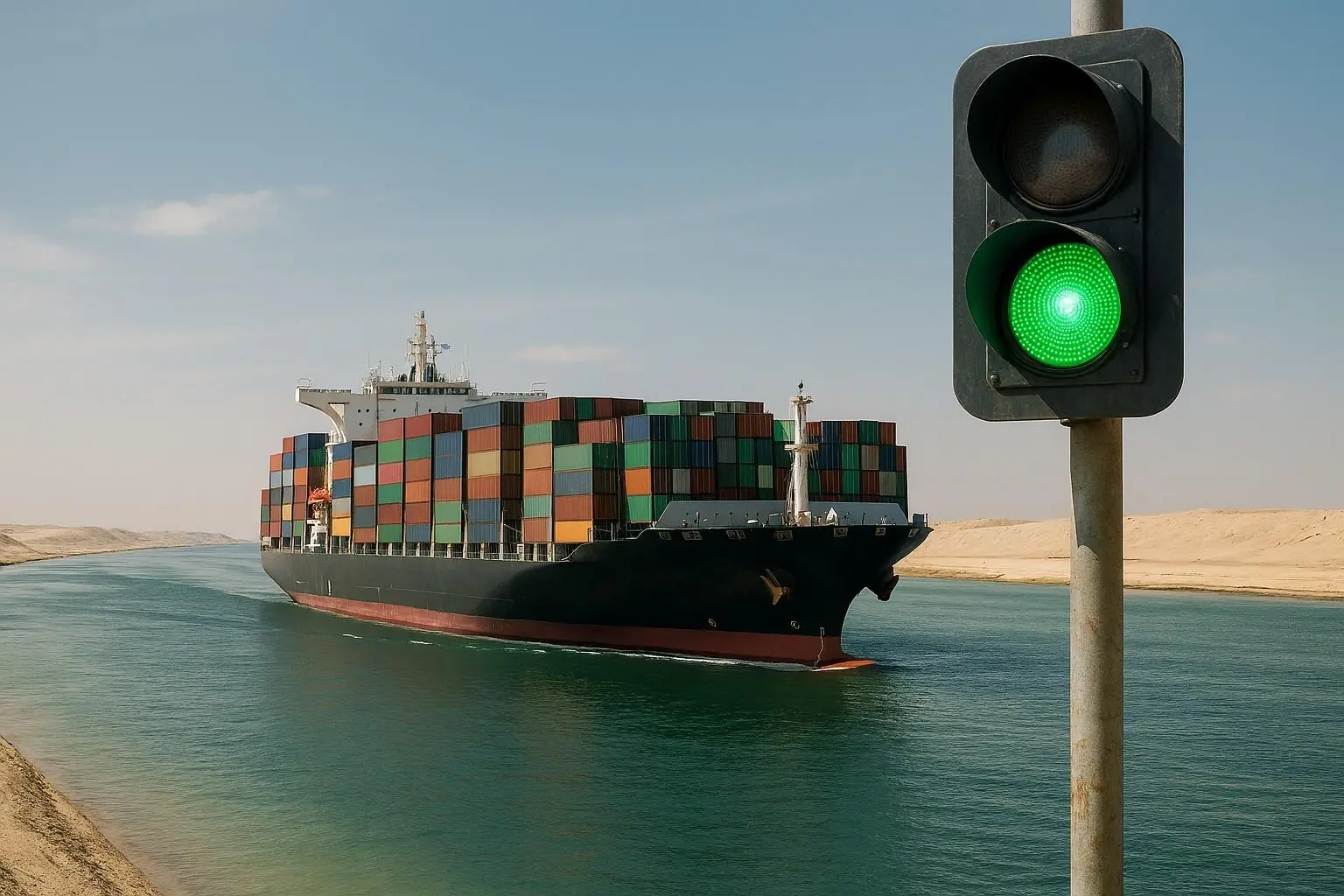
For much of the past two years, operators had little choice but to reroute around Africa as Red Sea security risks, insurance uncertainty and schedule pressures made transits via the Suez Canal commercially unviable. The diversions increased fuel consumption, boosted bunker volumes at key hubs and added to EU ETS exposure.
Security conditions have improved since the second half of 2025, but the situation remains delicate.
“Security in the Red Sea is improving but the situation is still considered fragile,” Glander told The Motorship.
“Attacks have decreased, yet the region remains classified as high risk by carriers and insurers. The short-term calm is not yet enough for a full industry return at this point.”
While sporadic missile, drone and small boat incidents continue, some operators are testing Suez transits on a selective basis. However, most global capacity still routes via Africa.
“War risk premiums remain high and won’t fall until insurers see multiple, sustained safe voyages,” Glander continued, noting that owners and insurers are monitoring ‘months of zero incident transits’, a downward trend in premiums, credible long-term ceasefire stability, improved naval deterrence and charterer acceptance of Red Sea routing.
Any gradual unwinding of Africa diversions would have clear bunker market implications. Ports that benefited from rerouting flows could see volumes ease.
“Port Louis, Mauritius is a bunker-location which has really put itself on the map during the Red Sea trade disruption,” Glander said. Walvis Bay, Cape Town and Durban, alongside West African offshore locations and Las Palmas and Tenerife, also captured additional demand.
Beyond bunkers, shorter voyages would reduce tonne-mile demand. “The implication for shipping is a lower tonnes-mile demand which will add downward pressure on freight levels for the trade affected,” Glander added.
For now, Suez does not need to be fully secure to shift behaviour — only safe enough for selective, commercially viable returns.
Related Articles
 ALTERNATIVE FUELS & LUBRICANTS
 GENERAL NEWS
 GENERAL NEWS