



EXCLUSIVE: Green ammonia nears cost parity
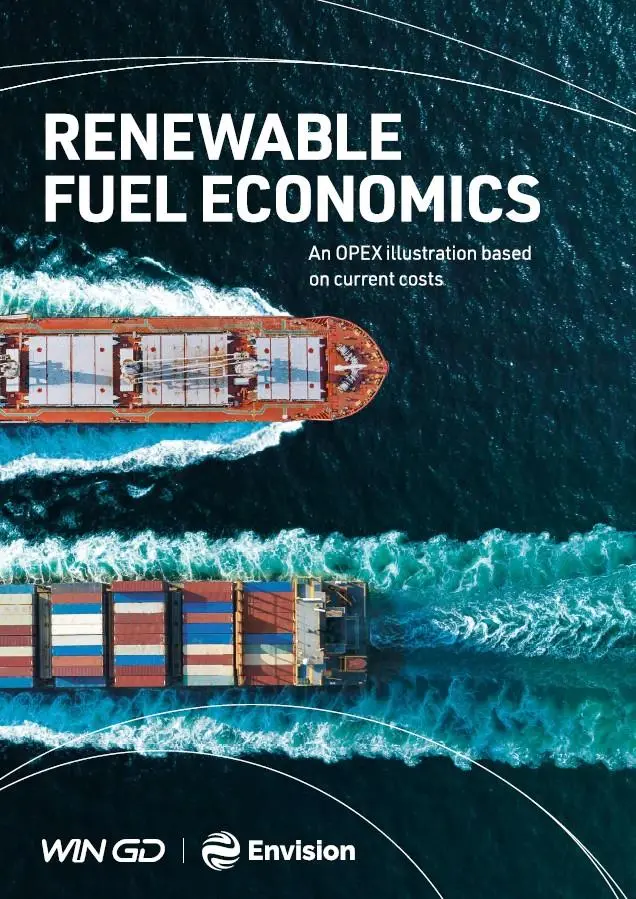
The analysis focuses on operational costs for vessels operating between China and Australia, comparing renewable fuels with conventional options such as very low sulphur fuel oil and liquefied natural gas.
Using verified lifecycle emissions data and current bunkering prices along the Chinese coast, the study indicates that green ammonia could match the cost of existing fuels even without subsidies tied to zero-emission shipping. Over the longer term, projections to 2050 show green ammonia achieving a lifecycle operating cost advantage of around 5% to 6% compared with LNG.
The modelling draws on real-world engine performance data from WinGD’s portfolio, including ammonia-fuelled XDFA engines, methanol-fuelled XDFM engines and LNG-fuelled XDF engines. While current conditions still favour VLSFO and LNG as the most cost-effective fuels, the analysis shows a clear pathway for green ammonia to reach parity and eventually become the lower-cost option as regulatory frameworks evolve.
Green ammonia is already considered technically mature as a shipping fuel, with established production methods and compatible engine technology in place. “Green ammonia is technically mature, in that it is understood how to produce it, and the engines to use it already exist – as evident by WinGD’s recent type approvals for X-DF-A ammonia-fuelled engines and orders for 34 engines to date,” Benny Hilström, vice president, market development, WinGD, told The Motorship, noting that ‘production at larger scale will be needed to for it to have significant uptake in the market’.
Looking ahead, commercial viability will depend on both regulation and cost reductions. “The key factors that will influence further scalability are first, the future regulatory regime,” continued Hilström, adding that ‘a moderate global carbon pricing framework, less stringent than the IMO’s Net Zero Framework, would be enough to make green ammonia competitive with LNG and VLSFO sometime after 2036’.
“The second key is continued reduction in cost as production scales up, increasing the advantage for green ammonia users,” he added.
The study also finds that other alternative fuels, including e-LNG and green methanol, may require stronger policy incentives or market rewards to achieve similar competitiveness. Their future cost trajectory is expected to depend heavily on production scale and supply chain development.
The findings come as both companies bolster efforts to scale up green fuel technologies. Envision’s production facility in Chifeng has already begun exporting green ammonia, with plans to significantly expand output by the end of the decade whilst WinGD is preparing to introduce its first ammonia-fuelled engines into commercial service.
Related Articles
 AMMONIA
 AMMONIA
 AMMONIA