



ABS charts maritime’s autonomy rise
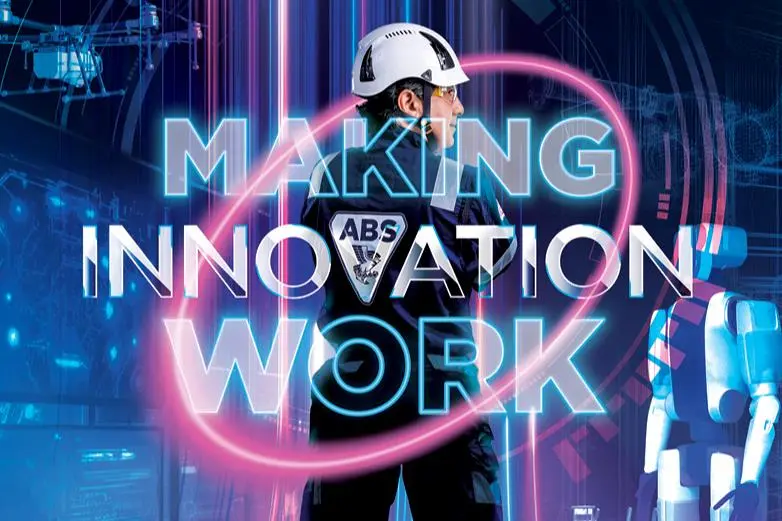
In its latest Technology Trends report, ABS outlines how maritime autonomy, robotics, advanced sensing systems and emerging energy technologies are moving from development into practical application across the commercial marine and offshore sectors.
“Innovation in maritime is moving faster, and the conversation has changed with it,” said Patrick Ryan, senior vice president and chief technology officer, ABS.
“A few years ago, the focus was on what might be possible down the road. Now we are looking at where these technologies are gaining traction, how they work together and what it will take to apply them safely and effectively.”
Growing system integration
The report, Technology Trends: Making Innovation Work, highlights growing integration between AI, predictive analytics and connected operational systems designed to improve offshore compliance and vessel safety.
The publication examines how autonomous vessels, remote inspection technologies and digital twins are beginning to influence operational decision-making as operators seek greater efficiency, reliability and safety performance.
ABS said the latest report reflects how rapidly the sector has evolved since the first edition was released in 2022, particularly through the rise of AI and increasing digitalization across marine operations.
The study also reviews developments in advanced materials, modeling capabilities and alternative energy systems, including small modular nuclear reactors.
According to ABS, the industry is now shifting away from isolated technology trials toward more connected operational ecosystems that combine automation, maritime autonomy and advanced analytics.
The organisation said it continues supporting safe technology adoption through classification leadership, technical guidance and applied research across the marine and offshore industries.
Related Articles
 ALTERNATIVE FUELS & LUBRICANTS
 GENERAL NEWS
 GENERAL NEWS