



AEGIS targets safer shorepower
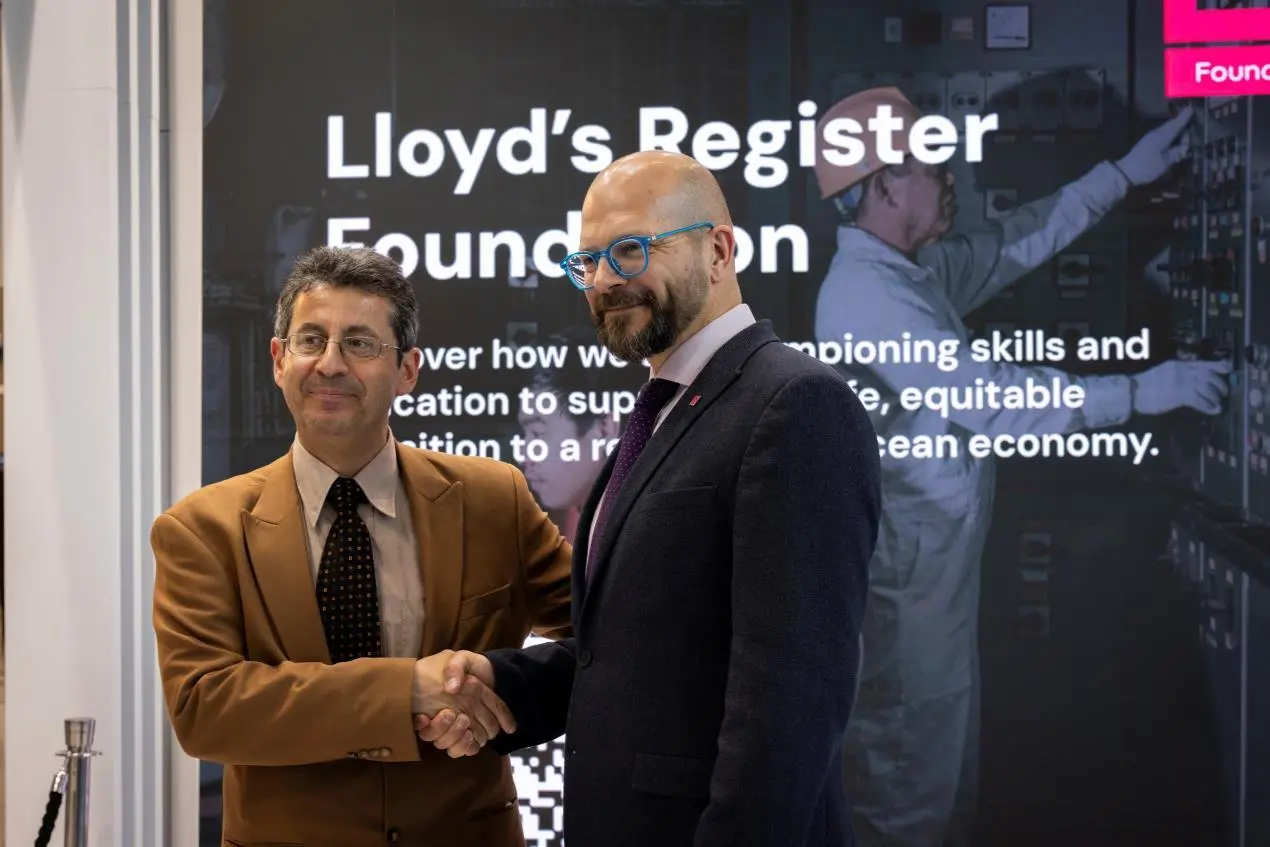
The newly inaugurated AEGIS (Advanced Protection for Maritime Infrastructure and Globally Sustainable Shore Power) project is being led by the National Technical University of Athens (NTUA) with funding from Lloyd’s Register Foundation.
Its goal is to improve the safety, reliability and long-term resilience of onshore power supply systems.
Professor John Prousalidis, project coordinator, NTUA said shorepower had become central to shipping’s environmental ambitions.
“Onshore power is absolutely vital for the decarbonisation of our ports and has rightly taken centre stage in our industry’s environmental strategy,” he said.
“Through AEGIS, the consortium is bringing together some of the world’s leading engineering voices to ensure that as shipping moves towards electrification, these systems are deployed reliably and at scale.”
While shore power is increasingly recognised as a key technology for reducing emissions in ports, challenges remain around corrosion prevention, electrical safety and the protection of maritime infrastructure during ship-to-shore connections.
The AEGIS consortium brings together expertise in marine engineering, electrical engineering and materials science, alongside support from leading industry organisations including Association for Materials Protection and Performance, Institute of Marine Engineering, Science and Technology and Institute of Electrical and Electronics Engineers.
Research activities will include advanced simulations, digital twin development, field testing at pilot ports in Greece and across Europe, and the creation of new training programmes aimed at preparing maritime professionals for the next generation of port infrastructure.
Jan Przydatek, director of technologies, Lloyd’s Register Foundation, said the project would help accelerate the transition to cleaner shipping.
“Our partnership with NTUA on the AEGIS project is helping develop reliable, evidence-based tools and techniques to safely scale onshore power supply practices,” he said.
The project is already collecting operational data, with a dedicated digital platform set to launch in the coming months to share research findings, safety guidance and training resources with the wider maritime sector.
Related Articles
 EMISSIONS REDUCTION TECHNOLOGY
 EMISSIONS REDUCTION TECHNOLOGY
 EMISSIONS REDUCTION TECHNOLOGY