



ISU warns of Spain?s ?self-defeating? place of refuge decree
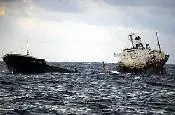
According to the International Salvage Union (ISU), the Spanish Government?s decision to put a half billion dollar price-tag on a place of refuge for ships in distress is counter-productive and could actually increase the threat to the environment.
“The Spanish appear to have learnt nothing from the devastating Prestige spill. If anything, this ?Spanish Solution? actually makes a repeat of the Prestige disaster more likely,” said ISU President Joop Timmerman about a new Spanish Decree requiring a ?415.2 million financial guarantee for entry into a place of refuge. “It should be obvious that there are situations where the only way to save a laden tanker with severe damage is to grant immediate access to a place of refuge. It is difficult to understand how a system confronting the shipowner with a demand for half a billion dollars can be helpful. It is hard to imagine how a demand for the surrender of rights, under international conventions, to limit liability will contribute to prompt decisions on requests for shelter. Indeed, this approach is likely to increase the number of lepers of the sea.”
He added that the Spanish Decree could also stand in the way of the salvor attempting to use his best endeavours, as required under the Salvage Convention 1989 and Lloyd?s Form, to prevent pollution.
“The Prestige spill disaster will cost over ?1 billion, perhaps as much as ?5 billion according to WWF estimates. The Prestige could have been saved, but only following a tow to a place of refuge. The cost of salvage and pollution damage (on a much smaller scale) would have been in the region of ?50 million at most,” said Timmerman. “Having gambled by turning the Prestige away ? and losing up to ?5 billion in the process ? the Spanish have now made their position worse. In practical terms, a demand for a huge financial guarantee amounts to a blanket ban on shelter along the Spanish coast. This could contribute to a re-run of the Prestige ? in Spanish waters or in the waters of neighbouring Coastal States. It places neighbouring Coastal States at risk.”
Related Articles
 ALTERNATIVE FUELS & LUBRICANTS
 GENERAL NEWS
 GENERAL NEWS