



South African firm to establish shipyard in Nigeria
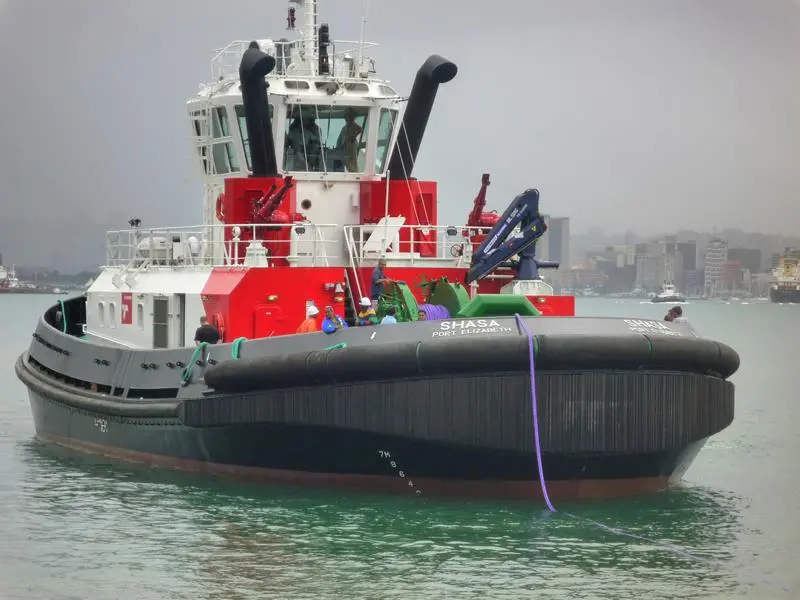
The company’s chief financial officer, Prasheen Maharaj who led a delegation to the Nigerian Maritime Administration and Safety Agency in Lagos explained that ship building was a major source of employment for artisans such as welders, electricians, carpenters and technicians. He added that ship building had a multidisciplinary field.
Maharaj described their venture into the Nigerian maritime industry as that of partnership.
He said: “We will like to see ourselves as partners rather than investors. As partners, we seek more protection and minimum guarantee from NIMASA for our investment. Our goal is to create employment for Nigerians and ultimately add appreciable value to the nation’s economy.”
The team inspected facilities at the Naval Dockyard in Lagos, before proceeding to Warri and PortHarcour for further feasibility studies. SAS is the biggest shipbuilding firm in South Africa. It has the capacity to construct tugs up to 30m in length, yachts up to 95m in length and also naval vessels.
In a statement by the director general of NIMASA, Temisan Omatseye urged the firm to commence immediate operations in the country by providing ship repair services before graduating to ship building. He also added that the project will develop both human capacity and physical facilities for the Nigerian maritime sector. Omatseye told the delegation that the agency needed patrol boats, barges and passenger vessels.
He explained that building a shipyard in Nigeria will be a criterion for selecting the company to supply the patrol boats to NIMASA. He also announced a zero tax level incentive for any company desirous of building shipyard in Nigeria.
The director general explained that the Nigerian economy operated an open market system which allows multiple participation. Omatseye said: “We cannot exclude other participants. We want people to come to Nigeria and grow to the stage of building large tankers and LNG carriers.” He described the Nigerian maritime sector as key to the development of the Nigerian economy and that the services of the SAS will play an important role in the vessel replacement programme of the Agency.
Related Articles
 ALTERNATIVE FUELS & LUBRICANTS
 GENERAL NEWS
 GENERAL NEWS