



Gulf repairers face new competition
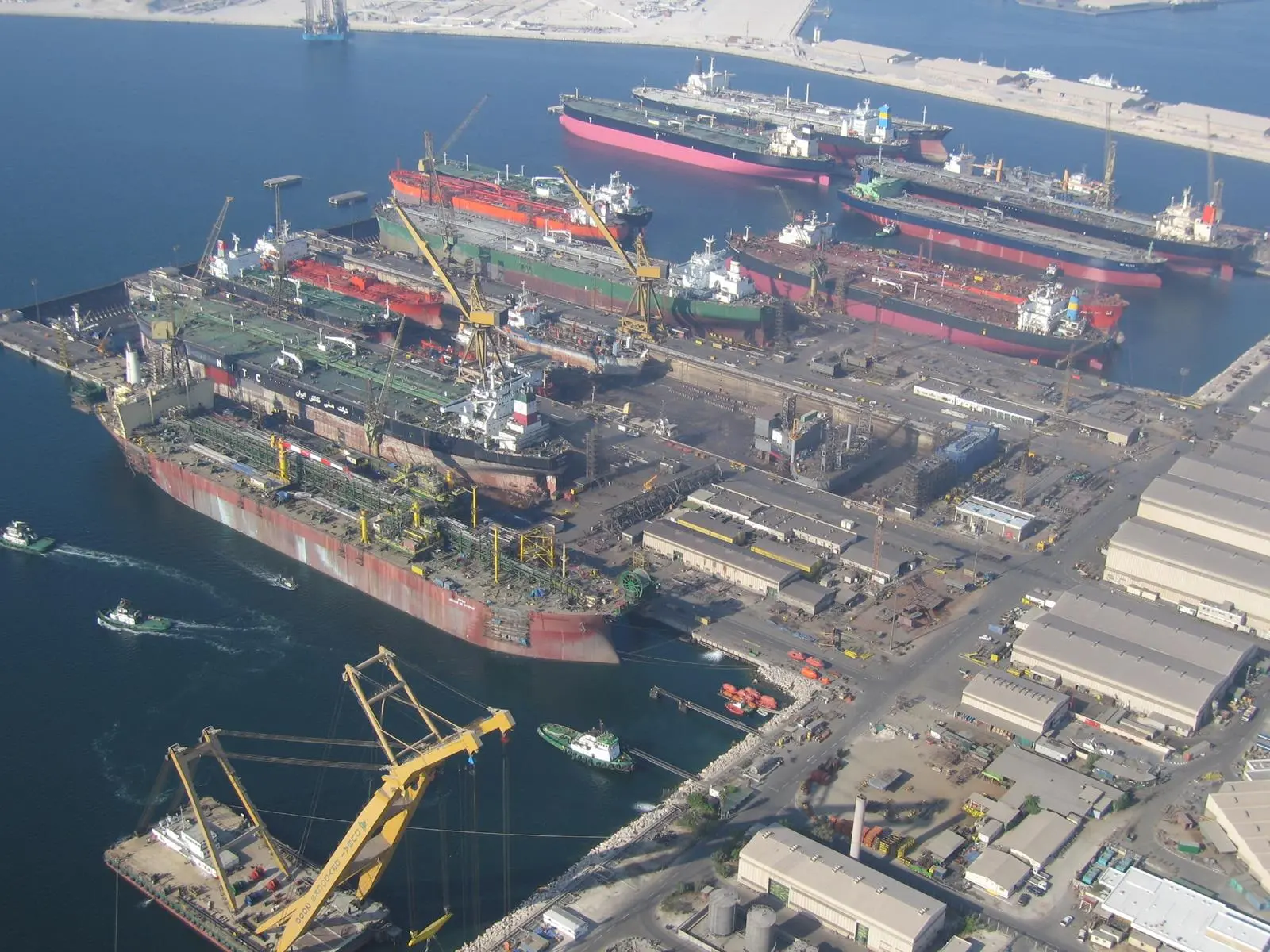
Paul Bartlett writes: Nakilat-Keppel Offshore & Marine (NKOM) at Ras Laffan, commissioned in November, will focus initially on Qatargas LNG carrier repairs but has already signed a three-year block repair deal with Stasco and is believed to be negotiating a number of similar arrangements with various Japanese majors including Mitsui OSK, NYK, ‘K’-Line and Idemitsu Tanker.
Meanwhile, the Oman Drydock Company is due to open its two new large docks for business any time now. Between them, the new facilities in Qatar and Oman will make four more large docks available, boosting regional capacity from five docks to nine.
Market sources are predicting an almost inevitable impact on regional repair prices. Coming at a time when more and more owners are opting for 60-month docking schedules, experts point out that demand for large repair docks was already flat, with fewer dockings offsetting the effects of a larger world fleet, bigger vessels in key shipping sectors, and rapid expansion of smaller ship and workboat fleets operating in the Gulf area.
However, ship operators are not about to flock to the new facilities without carefully weighing up their options, they say. The National Iranian Tanker Company (NITC), for example, which is currently the world’s fifth largest tanker operator and has aims to become number three with a major fleet development strategy, revealed its intentions to journalists in Dubai recently.
The company, which does not import oil or products to Iran and therefore remains outside the UN sanctions programme, has five VLCCs out for special survey tender at present, as well as a number of other tankers including Aframax units. The VLCCs, which are on five-year docking cycles despite charterer requests for shorter intervals, had their last Special Surveys carried out at Dubai Drydocks, as it was known then. And senior executives at NITC explain that DWD and ASRY remain amongst its preferred repair facilities since most of the company’s VLCC cargoes are lifted from the United Arab Emirates and Saudi Arabia.
But other yards on NITC’s tender list include Singapore’s Sembawang, Keppel and Jurong, and Cosco and IMC YY in China. And, despite being approached for fleet deals, NITC is not signing up for anything at the new repair facilities until its teams of experts have assessed the yards and reported back on their likely capabilities.
Many ship operators are likely to take a similar line and market sources suggest that the new yards will have to offer attractive terms if they are to take on the Gulf’s big hitters with any degree of success. However, in the case of NKOM, the fact that its executives have have signed up and/or are close to signing some of the world’s leading blue-chip shipping companies at this early stage is clearly a coup.
The yard has been built primarily to service the needs of the Nakilat-controlled LNG fleet, now numbering more than 50 units. With this foundation of assured work, it is likely that the yard has been able to offer keen prices for third-party business. And NKOM will have one large dock, and another for some of the time, available for such repairs.
There are important developments in Dubai too. Long-time DWD boss Geoff Taylor, together with a number of other senior executives, has moved on and a new team of managers has been appointed. Spokesmen at the world’s largest repair yard were unavailable for comment late in January but the Chairman of Dry Docks World and Maritime World, Khamis Buamim, told the Dubai press recently that the company’s $2bn debt is being restructured in a deal likely to be finalised in April.
Meanwhile, continuing delays at Dubai Maritime City are causing frustration for various repair and engineering companies planning to relocate there. There are two important changes to the site’s development, however. One, the larger of the two ship lifts, a 6,000-tonne unit, will no longer be reserved exclusively for DWD’s use; and two, the site at Al Jadaf will not now be closed, as was originally intended, allowing some companies to operate at both locations.
Related Articles
 EMISSIONS REDUCTION TECHNOLOGY
 ALTERNATIVE FUELS & LUBRICANTS
 ALTERNATIVE FUELS & LUBRICANTS