



Alewijnse electric drives for OSVs
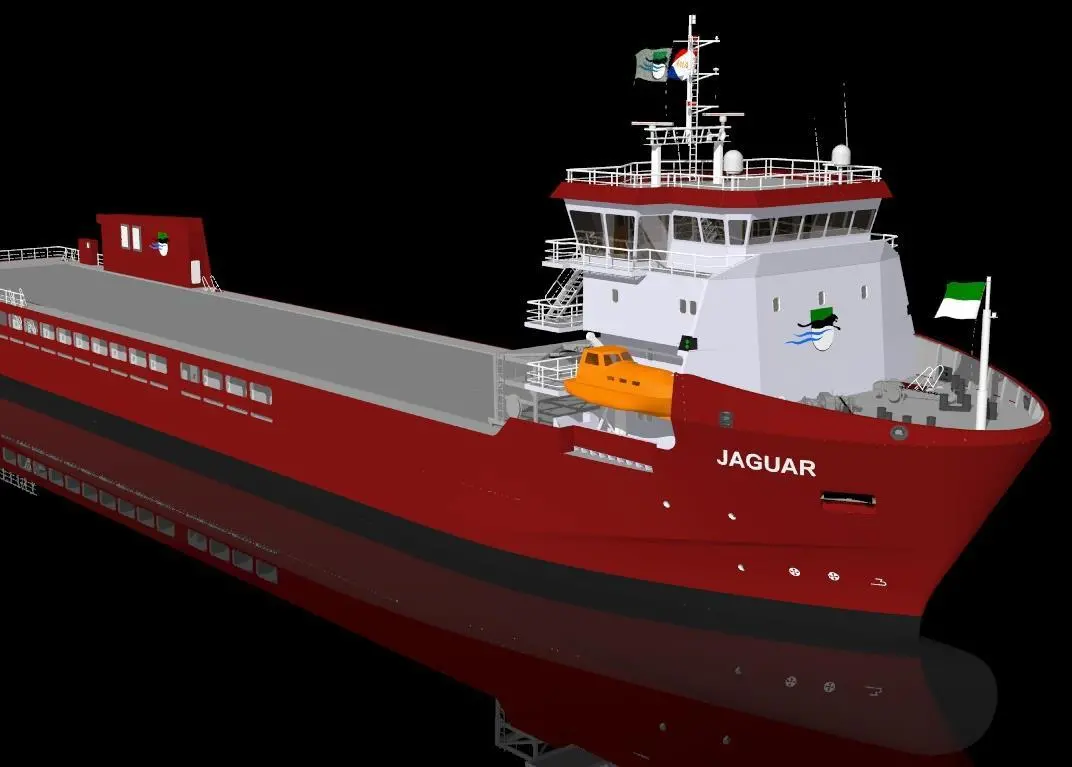
While the design of the drive is described as highly innovative, the application of proven technology and components enables the accurate prediction of reliability and performance for these vessels. Designed by Vuyk Engineering Groningen, the three 4,500 dwt vessels will have a 107.95m length overall, a beam of 16m and are designed for an offshore service role including the installation and support of wind farms.
A DC bus system has implications for the entire design of a vessel. With an increased number of smaller components replacing what traditionally was fewer, much larger pieces of machinery, naval architects are freed from a major constraint when it comes to utilising the interior volume, and the options for optimising a ship for a particular role are greatly increased.
Jaguar Shipping will take delivery of the first of the new ships in March 2012, and the remaining two will be delivered to Abis Shipping later in the same year. The vessels will have two independent propulsion systems, port and starboard, each of which will be made up of a propulsion switchboard equipped with three 500kW generators, one propulsion motor, one bow thruster motor, one rotating converter, and a cool water circuit. The vessels will be certified DP 1 and can be upgraded to DP2 if required. Should one of the propulsion switchboards fail, the other propulsion switchboard will remain running, thereby providing half propulsion power and half bow thruster power.
Alewijnse is designing the DC bus system for these offshore support vessels in close cooperation with Vacon. The selection of a DC bus system allows the use of advanced technology at prices comparable to the conventional alternatives, and are claimed to come with a number of advantages including easy and fast synchronising for quick power requests, natural load sharing between generator inverters, no harmonic distortions and improved redundancy. These systems are also relatively simple, thereby reducing the possible risk of component failure. The above attributes contribute to making a DC system particularly suitable for vessels where dynamic positioning is a major factor.
All the additional benefits of diesel electric propulsion also remain applicable, including flexibility in the use of the available power leading to lower emissions and improved efficiency, high levels of redundancy, fewer mechanical components and the ability to arrange equipment flexibly in the engine room.
Related Articles
 ALTERNATIVE FUELS & LUBRICANTS
 GENERAL NEWS
 GENERAL NEWS