



A quantum leap in container ship concept
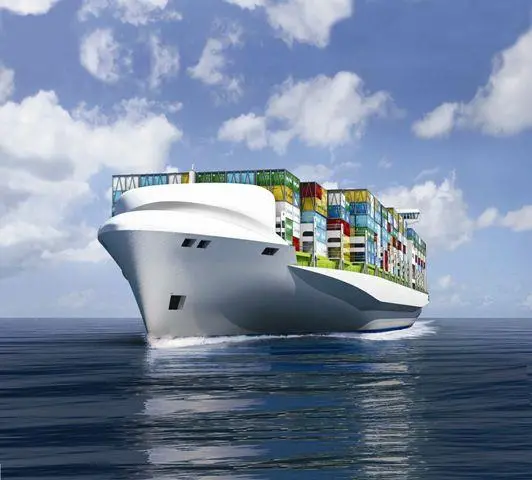
The new concept is based on both technical and market research and innovation and is designed to transport more cargo while using less fuel and with a reduced environmental impact.
In the future of the shipping industry in general and the container ship segment in particular, uncertainties will remain as a challenge while flexibility will be a key to prospective success. The new container ship concept is designed to meet the perceived market needs. It has a design speed of 21 knots, but can operate efficiently at speeds between less than 10 knots and more than 22 knots. A beam of 42.5m gives it good stability while its novel 49.0m wide deck design increases its container capacity. To mention some more examples from a long list of innovative solutions, the need for ballast water is minimised and LNG is introduced as part of the ship’s fuel.
“Even if it would be possible to realise the Quantum within three to five years, this is a concept ship designed to stimulate a debate about shipping innovation. All the aspects of the concept design are unlikely to appear in a single ship, but certain features will be taken further on a case by case basis. I am convinced of this,” says Tor Svensen, the president and chief operating officer of DNV. He refers to the automotive industry, which has long traditions of introducing new concepts as a lodestar for the future development of new cars.
Svensen adds: “We all know that the shipping industry is facing tough times. But now is the time for innovation and a focus on new solutions. DNV has a strong technical and financial platform. This platform is to be used to solve problems we all are facing, especially the environmental challenges.”
If Quantum as it is designed was realised, it would be a 272.3m long ship, with a beam of 42.5m at the water line and 6.5m wider at deck level while the total container capacity would be 6,210 TEU. Through the market research conducted ahead of this project, Alphaliner, a provider of shipping market intelligence, concluded: “Ships in the 5,500 TEU region may become the new workhorse of this industry.”
Related Articles
 ALTERNATIVE FUELS & LUBRICANTS
 GENERAL NEWS
 GENERAL NEWS