



Manufacturer proposes centrifugal pumps for low-sulphur fuel
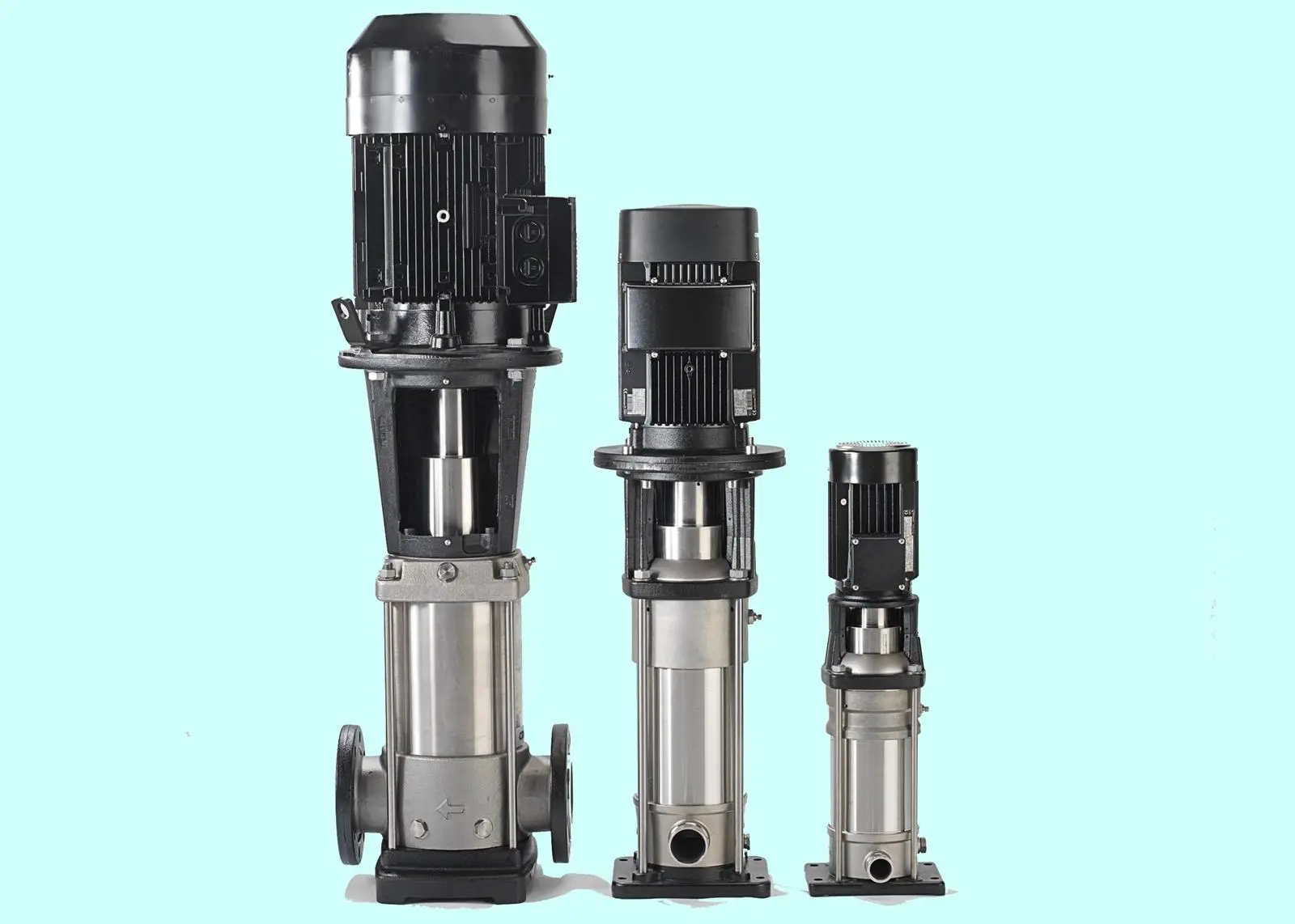
The company says that traditional gear- and screw pump systems can falter when trying to maintain required pressures and capacities with low-viscosity, low-sulphur fuel oils. These oils have a viscosity of around two centistokes (2cSt) – close to that of water. Grundfos points out that lower viscosity will not lead to increased wear or maintenance cost on a centrifugal pump, because a centrifugal pump does not need the lubrication from the pumped liquid, and neither is it affected by debris in diesel fuels, because its moving parts do not contact each other as those in other pump types.
“As the fuel changes character, the pump has to change character,” says Kim Kirkegaard, business development manager.”The centrifugal pump is best at low viscosities, the screw pump is best at high viscosities. As we move from high to low, we must go to the product that is designed for low viscosity liquids. That’s the centrifugal pump. In theory, a centrifugal pump can last forever on low sulphur fuels,” Kirkegaard says.
According to Kirkegaard, the Grundfos CRN centrifugal pump with MAGdrive is particularly advantageous. The pump is hermetically sealed against leaks, with no physical connection between the pump and motor. Magnets drive the shaft and impellers. “When you have a sealed pump, you don’t get oil on the deck,” says Kirkegaard. “You keep your engine room clean.”
The MAGdrive is claimed to be up to 50% more efficient than that on similar-sized gear- or screw pumps with magnetic couplings for low-sulphur fuel, being to designed to exceeds the highest IE3 efficiency standard. The Grundfos CRN MAGdrive is available with a rated power up to 22kW and a flow range of 120 m3/hour.
The Grundfos Blueflux pumps are said to comply with the third phase of the EU energy standards, due to enter into force in 2017, as well as current 2011 regulations, and to be certified for marine use.
Related Articles
 ALTERNATIVE FUELS & LUBRICANTS
 GENERAL NEWS
 GENERAL NEWS