



3 million hours for dual-fuel engines
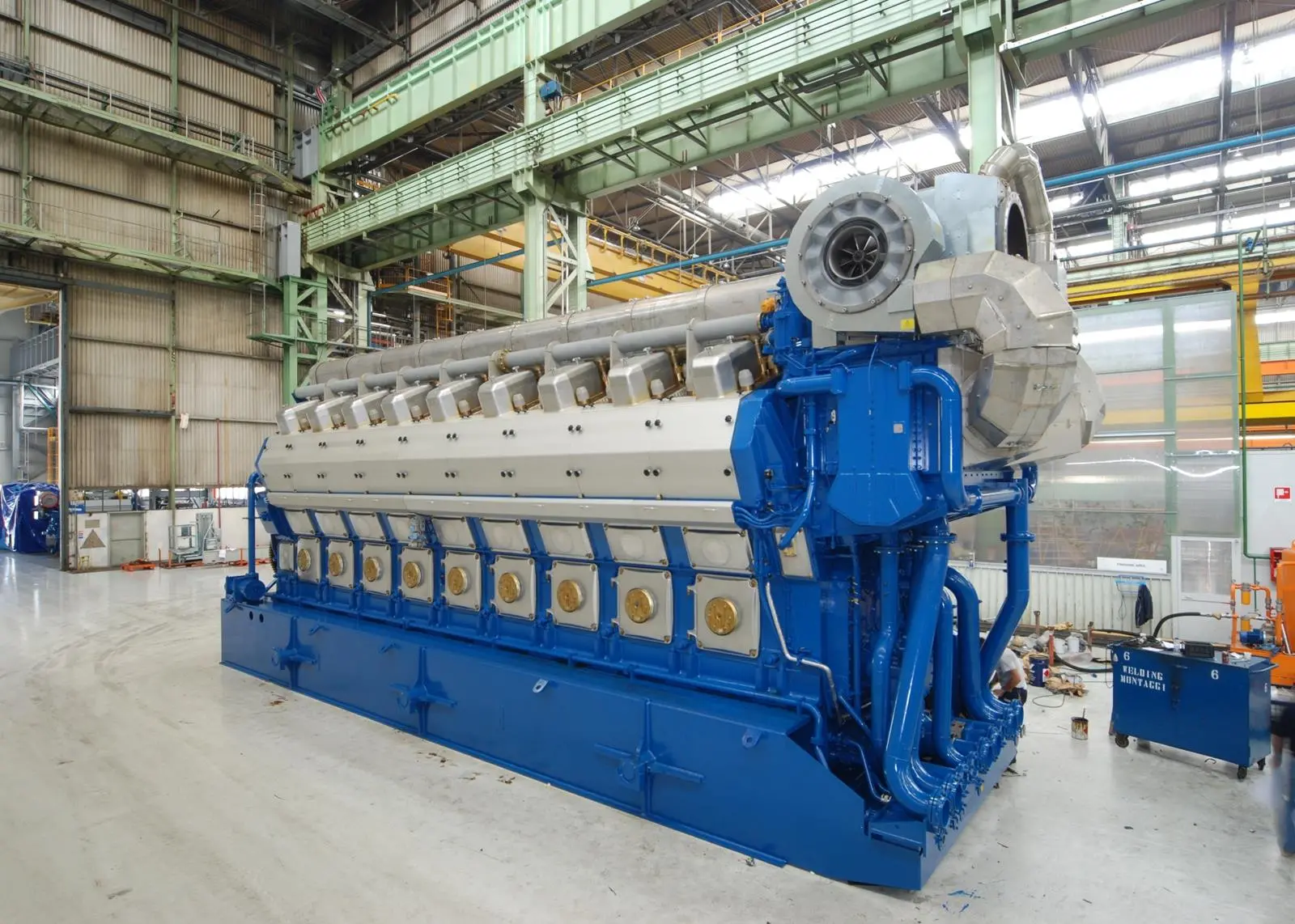
The company claims that passing the 3 million hours milestone proves the reliability and effectiveness of the technology. The total number of DF engines so far in marine and land-based applications is 470.
Wärtsilä describes the dual-fuel technology as providing the flexibility to switch between the use of natural gas and heavy fuel oil (HFO), light fuel oil (LFO) and various other liquid fuels. This flexibility, says the company, offers numerous tangible benefits, both economic and environmental. With oil prices fluctuating and environmental regulations becoming increasingly stringent, the operator has the freedom to select the most cost-effective and readily available fuel, while having the ability to choose natural gas in order to comply with emission limitations.
“A transition to LNG fuel is one of the most realistic options for significantly reducing the environmental footprint in marine transportation. Carbon-based greenhouse gas emissions can be reduced by at least 15 percent, while sulphur and nitrogen oxide emissions are practically entirely eliminated. Dual-fuel technology is the spearhead of Wärtsilä’s engine portfolio, and is leading the marine sector towards a more sustainable future,” says Juhani Hupli, Vice President, Ship Power Technology, Wärtsilä Ship Power.
Wärtsilä began developing dual-fuel gas engines in 1987, the first concept being the gas-diesel (GD) engine with high-pressure gas injection. This was initially developed for the marine offshore market, where it has been successfully applied in numerous floating production units. The second generation of gas engines was introduced in the early 1990s as spark-ignited (SG) pure gas engines. The main breakthrough came when the dual-fuel (DF) engine was introduced by Wärtsilä in 1995.
Related Articles
 ALTERNATIVE FUELS & LUBRICANTS
 GENERAL NEWS
 GENERAL NEWS