



NZ oil spill:The latest
He has been remanded on bail until 19 October, on the condition he surrenders his passport.
The second officer in charge of the navigational watch of the vessel Rena is also due to appear before the courts on the same charge today (13 October).
The Section 65 charge carries a maximum penalty of $10,000, or a maximum term of imprisonment of 12 months.
This news comes as the scale of the disaster truly unfolds.
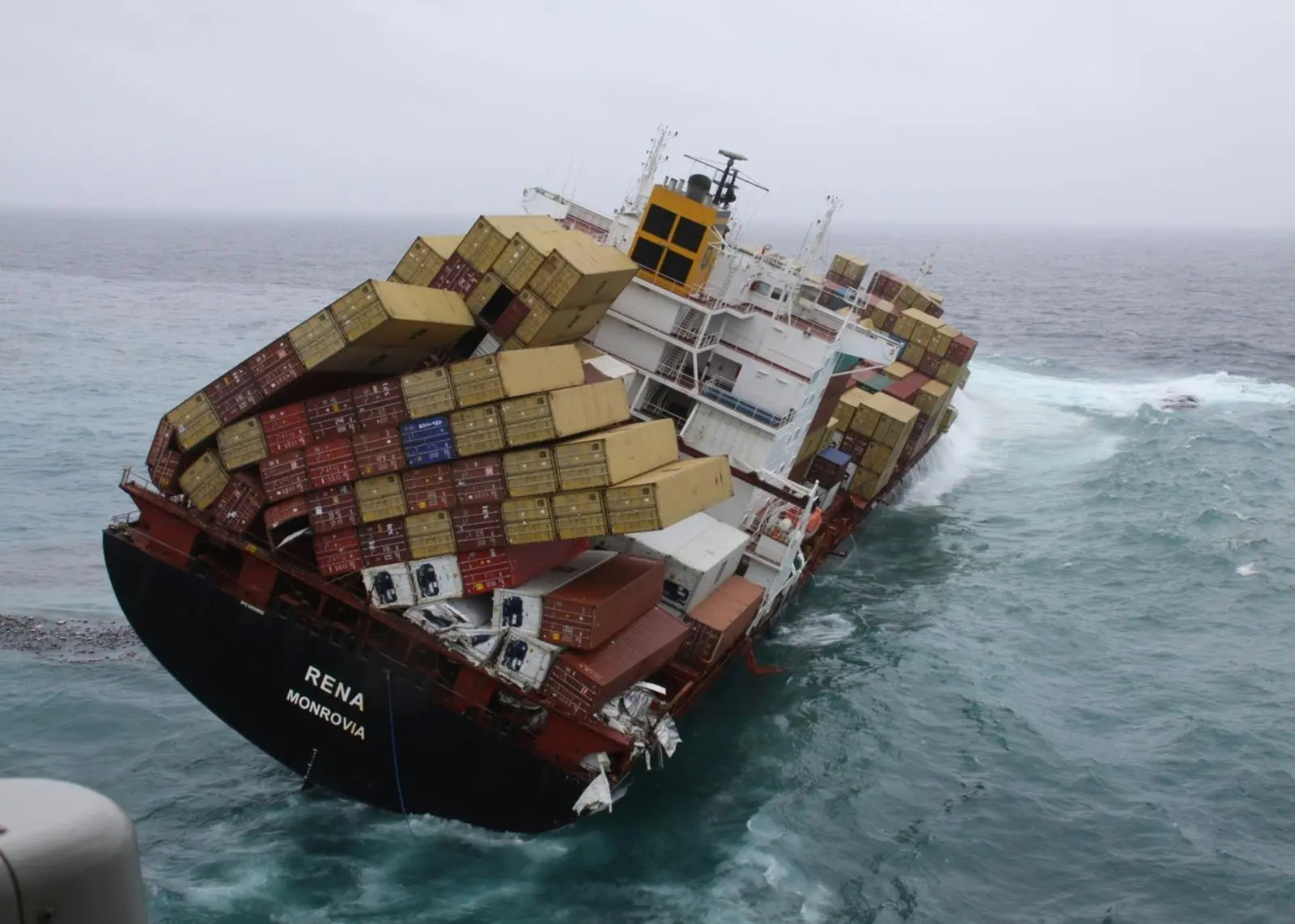
The Rena ran aground off the Tauranga coast in New Zealand last week. It has since suffered substantial structural damage caused by the movement of the vessel as the stern, which is still afloat, shifts with the waves, while the front part of the ship remains stuck on a reef.
There is a concern that this may cause the vessel to break up. The salvors have three tugs mobilised charged with either holding the stern on the reef while further effort is made to remove the oil, or to tow the stern to shallow water where they will remove the oil.
Maritime New Zealand (MNZ) estimate that the amount of oil escaped so far from the vessel is as much as 350 tonnes. Pumping operations have commenced this week to try to empty the ship of oil but have been sporadic due to bad weather conditions.
There are currently two skimmer barges working in the harbour to pick up flotsam and two more will be in operation collecting oil. A total of 88 containers have fallen from the vessel so far, 20 of which have come ashore. Vessels have been mobilised to intercept the drifting debris in the water.
One container full of Alkylsuphonic liquid (UN2586) has been lost from the ship. Although the liquid is water soluble, it is not considered a significant health risk. Earlier reports that the container held Ferrosilicon are incorrect.
MNZ National on Scene Commander Nick Quinn says he is confident that he has the people, equipment and plans to cope with the increasing scale of the Rena response.
“Our experience means we have been preparing for a worst case scenario right from the start. We already have hundreds of well trained responders from a number of organisations across land, sea and air operations, and have access to more if we need them.
“Our priority is the here and now, and cleaning up the oil. However this is not a quick fix so we are here for the long haul,” Mr Quinn said. “Until now we have had a light oiling of beaches – this will significantly increase as more oil washes ashore over the coming days. We are continuing our plans for getting people onto the beach for the massive cleanup task.”
Meanwhile, the wildlife mortality rate is starting to increase and there are estimated to be several hundred oiled birds yet to be collected from the shorelines around the Bay of Plenty. To date, 500 dead birds have been recovered.
Article originally published in Maritime Journal
Related Articles
 ALTERNATIVE FUELS & LUBRICANTS
 GENERAL NEWS
 GENERAL NEWS