



Meter checks quantities of bunkers
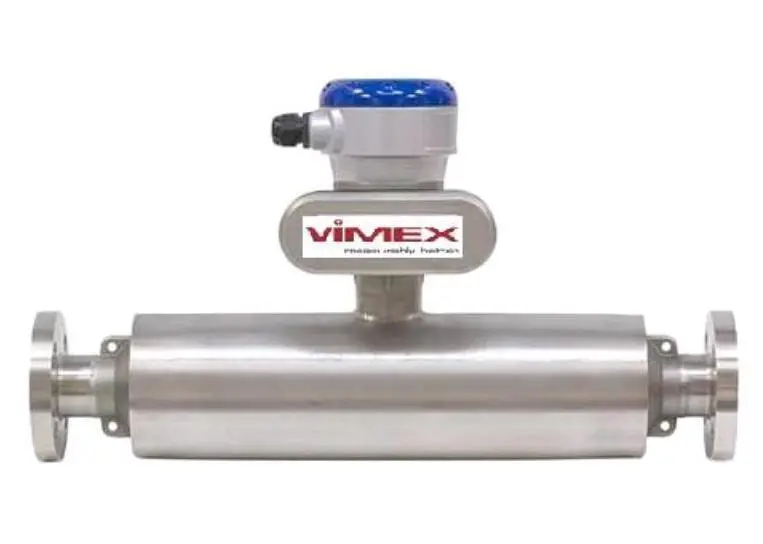
Vimex says it has developed an accurate measuring product which is simple to install and gives the purchaser full control of actual fuel taken onboard. With fuel constituting between 50% and 70% of total ship operational expenditure, the company points out that even small inaccuracies can represent large and unnecessary extra cost for ship operators.
The main element of the system is a direct running electronic fuel meter of coriolist type which measures kilo, litres, density and temperature of fuel which is bunkered. It is claimed to registers only the oil which is bunkered without being influenced by air or gas in the fuel. The claimed accuracy of +/-0.1% is maintained without the need for regular maintenance or calibration. The system is compact, can be installed by the ship’s crew as a retrofit, is said to be more cost-effective than other solutions, and is claimed to be internationally approved for purchasing and sales. Its displays can be read onboard or ashore, while the reporting functions provide documentation for use in the event of discrepancies.
Vimex director Egil Kjeldsen says that the system, known as Fuel Bunker Control, gives those onboard full control over how much fuel is bunkered, and avoids having to pay for more fuel than the quantity actually received. Normally, fuel quantity onboard is measured by soundings in tanks, based on volumetric measure, while bunkers are invoiced according to weight. The company says that this can result in several sources of inaccuracies. High temperatures or gasses can increase the volume of the fuel load, resulting in the customer paying for more fuel than has actually been delivered.
Installation involves a simple connection to the vessel’s pipe system, and the bunker quantity can be viewed in real time on the instrument’s display, which shows load, volume, density and temperature of the fuel.
Vimex says it has received positive feedback from customers, one of whom is said to have saved $27,000 on a single bunkering after a discrepancy was shown up on the invoice. The documentation from the Fuel Bunker Control system provided the data which allowed the parties to reach agreement on the disputed invoice, says Kjeldsen.
Related Articles
 ALTERNATIVE FUELS & LUBRICANTS
 GENERAL NEWS
 GENERAL NEWS