



‘Overwhelming response’ to TGPS concept
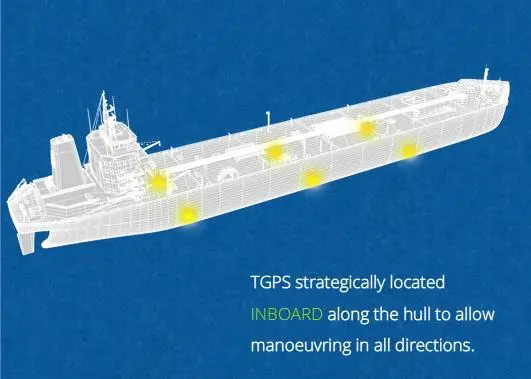
“It’s apparent that the industry is very motivated when it comes to addressing looming environmental protection legislation and its potential impact on operating efficiencies”, said Mr Bruce. Although unable to mention names, because of “strict confidentiality provisions”, he suggested that he had “received direct contact from the ‘who’s who’ of the maritime industry.”
He added that he was a little surprised that most enquiries from shipowners were about fitting TGPS to new builds: “I’m not sure that ship owners have yet fully grasped the viability of retrofitting TGPS to their existing fleet. The system is relatively inexpensive to install and can be done in conjunction with their scheduled haul out. Costs for retrofits are proportional to original horsepower specifications and in almost every case full payback can be achieved through fuel savings in just 18 months or less,” he said.
The company points out that it is well known that the industry faces the challenge of driving down costs and complying with tighter environmental legislation at the same time that fuel costs are rising and charter rates remaining low. So it makes little sense for shipowners to incur costs by investing in technology that benefits charterers by lowering fuel costs while the owners have little gain from increases in revenue.
Mr Bruce says that TGPS addresses this imbalance by the very way it is sold and used. “A vessel fitted with TGPS will consume 75% less fuel, which obviously benefits the charterer, so the ship owner could reasonably charge a premium for the vessel (to recoup the costs for retrofitting TGPS) and the charterer would still save around 50% of his related fuel costs. That’s a win-win situation for all concerned,” he said.
Related Articles
 ALTERNATIVE FUELS & LUBRICANTS
 GENERAL NEWS
 GENERAL NEWS