



Induction motors offer low noise signature
Oceanographic research vessels are normally built to the ICES 209 and/or DNV Silent-R class notation Rules covering underwater noise levels and structure-borne noise levels for all equipment on board. Compliance with these specifications has to date meant DC electric propulsion systems using DC motors and thyristors.
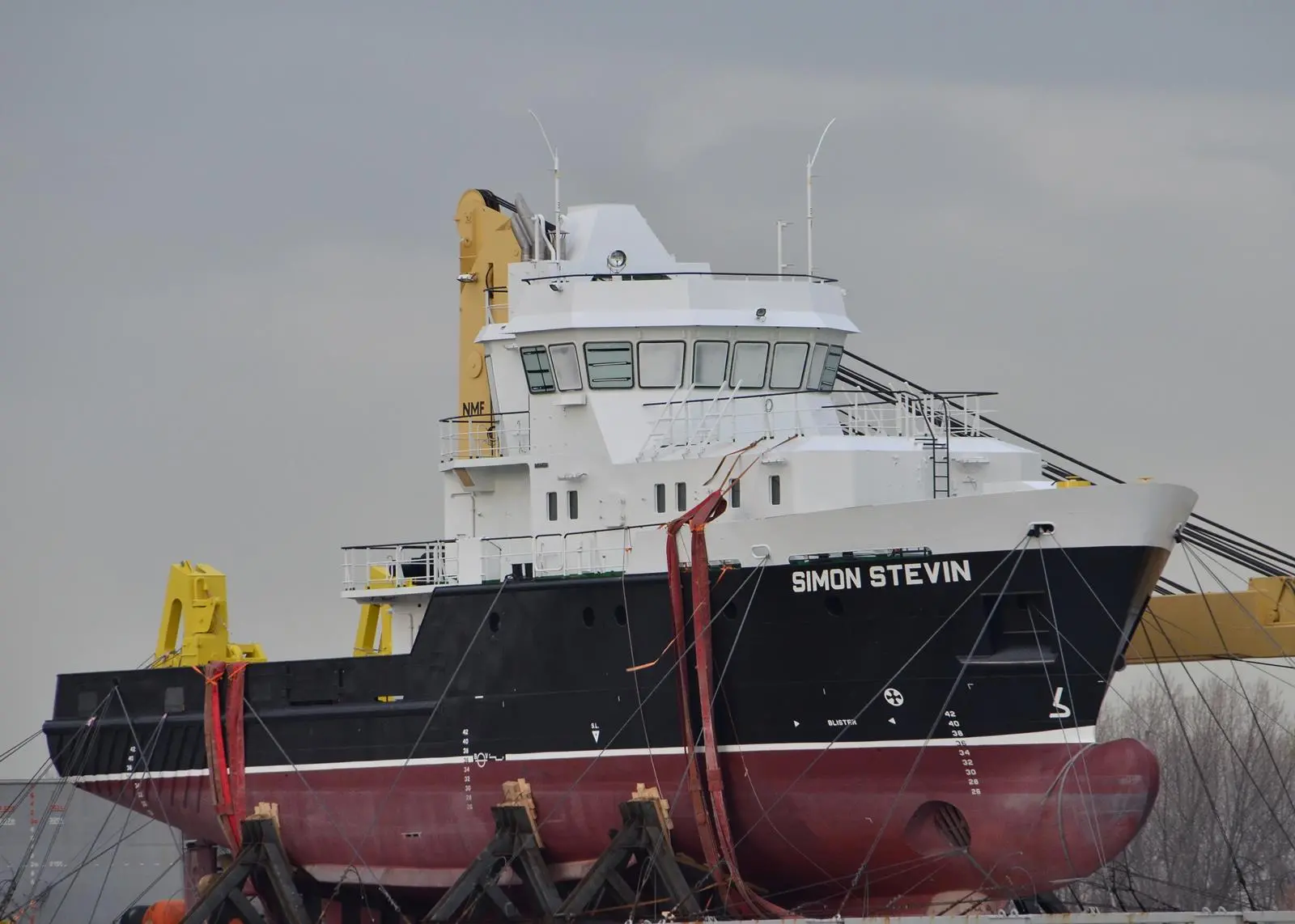
However, a Belgian research vessel, Simon Stevin, has been specified with an AC electric propulsion system using AC induction motors fed by PWM converters.
According to Indar, whales and other marine mammals, fish, and even some invertebrates depend on sound to find food, find mates, avoid predators, and communicate. Given the high levels of maritime traffic, scientists are warning about the impact of noise contamination in the marine environment. Historically, underwater radiated noise was important only in military vessels but this characteristic is now also being extended to civil vessels such as cruise ships and research vessels. Results obtained by research ships depend largely on how ‘silent’ the vessel is. International Council for the Exploration of the Sea (ICES) cooperative research report no.209 and the DNV Silent class notation Rules both define the underwater noise limit required for any vessel used in fisheries research.
Indar says that criteria regarding maximum structure-borne noise levels produced by the propeller, electrical propulsion motors, electric generators and diesel engines must be clearly defined. Diesel-electric gearless propulsion is the best suited to reaching the lowest radiated noise levels and providing smooth speed control from through the power range.
To date, according to Indar, all ICES 209-compliant oceanographic vessels have used DC motors in their diesel-electric propulsion systems, including the Irish RV Celtic Explorer and the Spanish RV Miguel Oliver for which the DC propulsion motors were supplied by Indar (2×1,500kW, 0-180rpm, and 2×1,000kW, 0-178rpm respectively). The Belgian RV Simon Stevin, nearing completion by Dames Shipyards, will have 2x520kW, 0-350rpm Indar AC induction motors.
Indar says it worked closely with the converter manufacturer to ensure that the mechanical and electro-magnetic design of the Simon Stevin plant complied with the noise requirements. Factory acceptance tests on the motors showed that structure-borne noise was comfortably below the limit curve specified. The company says that this installation will prove the feasibility of AC/AC technology in research vessels in accordance with the rules, and its is prepared to guarantee that technology using AC induction motor fed by Pa WM converter complies with the noise requirements of ICES 209 and/or DNV Silent Class Notation rules.
Related Articles
 PROPULSION
 GENERAL NEWS
 GENERAL NEWS