



Coating helps revive historic ship
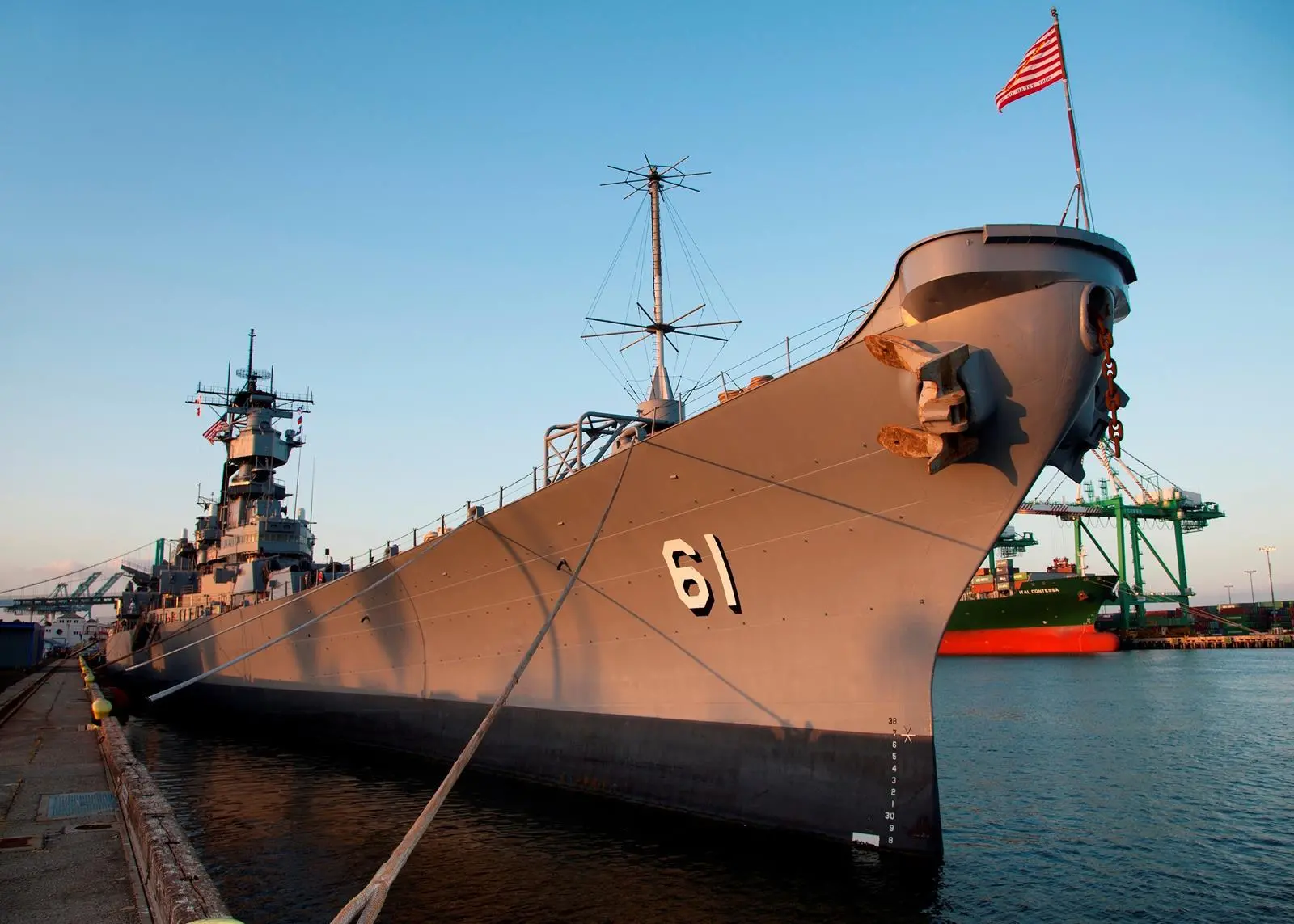
The 70-year-old ship served in WWII in both the Atlantic and Pacific fleets, then in the Korean War, and as late as 1987 saw service in Central America and the Persian Gulf. In 2011 the Pacific Battleship Center was awarded the USS Iowa through the US Navy’s ship donation programme. The non-profit group sought to give the ship new life as an interactive naval museum at the Port of Los Angeles, but it required extensive work – and help from PPG – to achieve this goal.
In addition to revitalisng more than 1,000 staterooms and compartments, the restoration team had to inspect – and often replace – more than 1 million rivets, 16 miles of ventilation ducts, 80 miles of pipe, 900 electrical motors, 5,300 light fixtures and 250 miles of electrical cable. The team had to replace the ship’s rotting wooden deck and repair its rusting metal hull. The task of repainting the giant ship was made even more challenging by the need to address layers of old, flaking paint that had accumulated through many recoatings.
To refinish, seal and protect the deteriorating hull, a number of coatings were researched, and PPG suggested painting the vessel with PSX One coating, a recently-introduced single-component acrylic-siloxane. The coating could be applied to the surface of the ship without any pretreatment, and is claimed to keep its sheen longer than traditional epoxy coatings. As a single-component coating, it is also faster and easier to apply than a two-coat system.
Using brushes, rollers and sprays, a crew of up to 20 painters from Bay Ship & Yacht in Alameda, applied nearly 900 gallons of PSX One to the hull and structure of the ship. PPG supplied the coating in five custom-mixed colors, including the US Navy’s standard Haze Gray as well as black and small amounts of red, white and blue used to paint an American flag on the ship’s main gun turret.
The USS Iowa has now opened in San Pedro as a naval museum. In addition to touring the ship and experiencing life at sea, visitors can look inside the ship’s gun turret, climb inside its armoured pilot house and visit President Roosevelt’s stateroom. Importantly, the ship is expected to to retain its glossy sheen for years to come. “We’re expecting to get 15 years out of [the coating],” said Mike Getscher, chief engineer and operations director. “The fact that it has unlimited re-coatability should make it much easier to for us to maintain.”
Related Articles
 EMISSIONS REDUCTION TECHNOLOGY
 ALTERNATIVE FUELS & LUBRICANTS
 ALTERNATIVE FUELS & LUBRICANTS