



Eniram studies cruise ship hull fouling
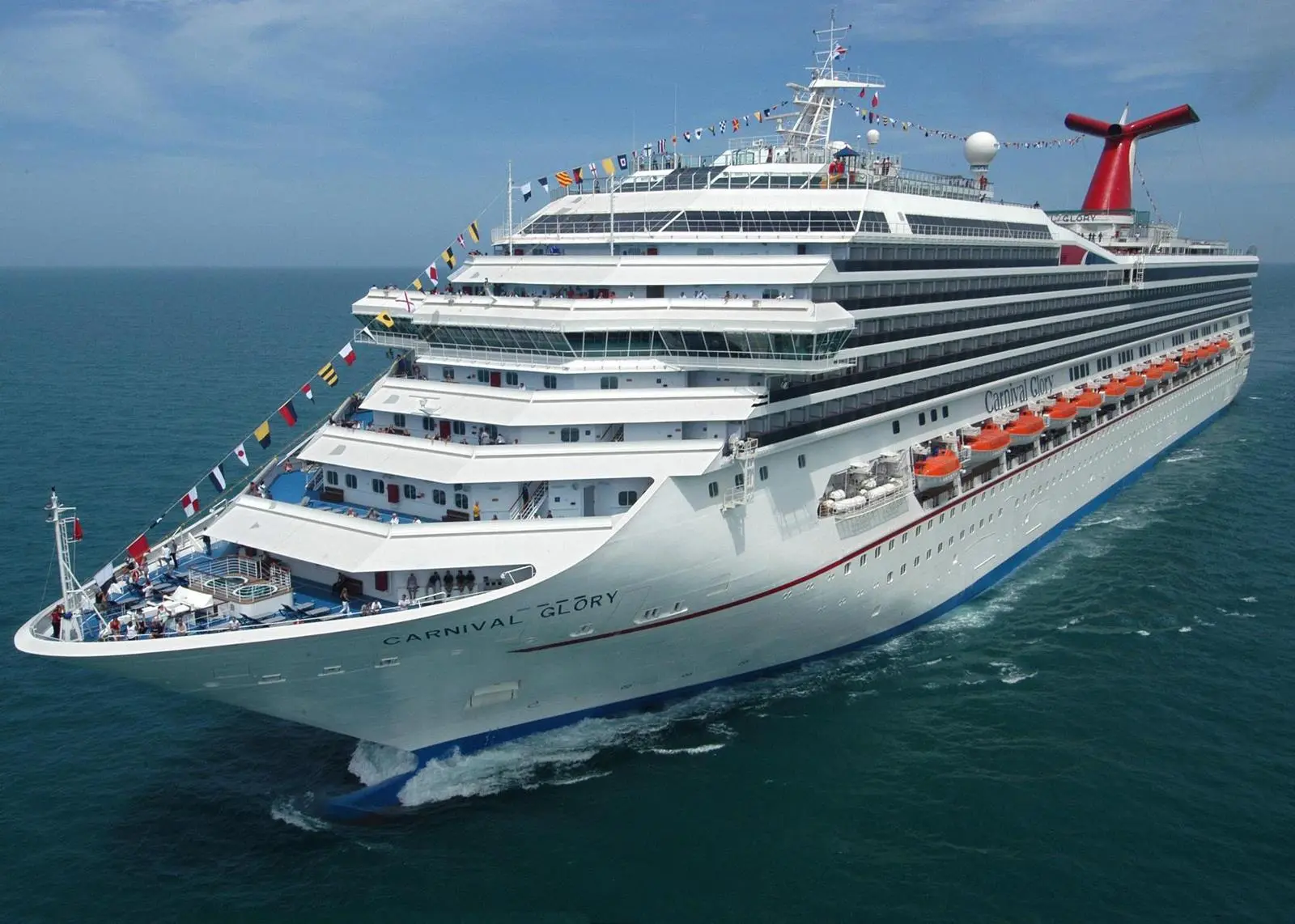
60 cruise ships of 90,000gt to 120,000grt, sailing in the Caribbean, coastal seas round California and Alaska as well as the Mediterranean and the Baltic, were studied, with data collected at frequencies of up to 25 per second. The results reveal the high levels of fouling faced by the industry and in particular indicates the considerable differences in fouling build-up between cruising areas, with the Caribbean causing on average the most fouling and the Alaskan area the least.
The study monitored the impact of hull fouling on real fuel savings on cruise vessels. Results showed that monitoring helps customers to distinguish the potential fuel impact of different anti-fouling coating systems, sailing in different seas and what impact cleaning strategies have on vessel performance over time. Eniram says that the financial implications of operating in areas with a heavy development of fouling could increase costs to almost $500,000 per year on a single cruise vessel.
Data collected to understand the effects of dry and in-water cleaning indicated that the first and the second wash decreased the added power consumption by around 2%, with fouling continuing to increase after the washes, while brushing removed some parts of the coating from the hull. Dry dock cleaning had a more significant impact on fouling, reducing it by 5%.
Eniram plans more studies to highlight the effects of different coating systems, and varied cleaning strategies and techniques.
Related Articles
 ALTERNATIVE FUELS & LUBRICANTS
 GENERAL NEWS
 GENERAL NEWS